Where to Buy Genuine Harley-Davidson Parts Online
Where to Buy Genuine Harley-Davidson Parts Online Finding the right parts for your motorcycle is important whether you’re replacing a worn component, restoring an older bike, or upgrading your ride. With thousands of products available online, knowing where to buy genuine Harley-Davidson parts can make the shopping process much easier. From Harley-Davidson OEM parts and replacement components to performance upgrades and accessories, online motorcycle parts stores provide riders with convenient access to products for different Harley-Davidson models. In this guide, we’re explaining what to look for when shopping for Harley parts online, how to identify the right components, and how to make better purchasing decisions. Why Buy Harley-Davidson Parts Online? Shopping online makes it easier to compare different Harley motorcycle parts without visiting multiple physical stores. Riders can browse product categories, compare specifications, check compatibility information, and find parts for specific motorcycle models. An online Harley parts store can also provide access to specialized components that may not be readily available locally. Whether you’re searching for OEM Harley parts, replacement components, saddlebags, audio equipment, grips, helmets, or performance upgrades, online shopping can make the process faster and more convenient. What Are Genuine Harley-Davidson Parts? Genuine Harley-Davidson parts are components produced or supplied for Harley-Davidson motorcycle applications. Riders looking to maintain an original configuration often search specifically for genuine or OEM components. When purchasing a replacement component, it’s important to confirm that the part is intended for your particular motorcycle. Year, model, engine configuration, and part number can all affect compatibility. Instead of choosing a component based solely on appearance, verify the manufacturer’s specifications and application information before placing an order. OEM Harley Parts vs Aftermarket Parts One of the most common decisions riders make when shopping for Harley-Davidson replacement parts is whether to choose an OEM component or an aftermarket alternative. OEM parts are designed for specific applications, making compatibility an important advantage. Aftermarket parts, meanwhile, can offer different designs, features, materials, or customization options. Neither option is automatically right for every motorcycle. Your decision should depend on the purpose of the replacement, your motorcycle’s specifications, your budget, and the features you want. How to Find the Right Harley-Davidson Parts Before searching for Harley-Davidson parts online, gather as much information about your motorcycle as possible. Useful information includes: Motorcycle year Model and trim Engine configuration Existing part number Required component Any previous modifications Having these details available can significantly reduce the chance of ordering an incompatible component. Check the Part Number Before Ordering Part numbers are particularly useful when shopping for Harley OEM parts. Two components may look similar but have different applications. If you already have the original component, check whether a part number is printed or stamped on it. You can then compare that number with the product information provided by the retailer. When a part number isn’t available, use the motorcycle’s exact year and model to narrow your search and confirm compatibility with the seller. Popular Harley-Davidson Parts to Buy Online Online Harley parts stores typically offer a wide selection of components and accessories. Some of the most popular categories include: Harley Performance Parts Performance-focused riders can find air cleaners, engine components, performance kits, exhaust-related products, and other upgrades. These products can help customize a motorcycle according to specific performance goals. Harley Saddlebags Harley saddlebags are popular among touring riders because they provide additional storage while complementing the motorcycle’s design. When shopping for saddlebags, verify mounting requirements and model compatibility. Harley Audio and Speakers Motorcycle audio is another popular upgrade category. Riders can shop for speakers, amplifiers, audio kits, and other components designed for Harley-Davidson applications. Heated Grips Heated grips can improve comfort when riding in colder weather. When selecting Harley heated grips, confirm that the product is compatible with your motorcycle’s electrical system and handlebar configuration. Harley Helmets and Riding Gear Helmets and riding equipment provide another way to upgrade your riding setup. Look for appropriate certification, proper fit, ventilation, visibility, and features that suit your riding conditions. How to Shop for Harley Parts Online Safely Choosing the right retailer is just as important as choosing the right component. Before ordering Harley parts online, review the product information carefully. Look for: Clear product specifications Compatibility information Part numbers where applicable Detailed product descriptions Shipping information Return policies Warranty information when available Secure checkout options A trustworthy online motorcycle parts store should provide enough information for customers to make an informed purchasing decision. Why Compatibility Matters Compatibility is one of the most important considerations when buying Harley-Davidson replacement parts. Harley-Davidson motorcycles have changed considerably across model years, and components designed for one application may not work with another. This is particularly important for electrical components, audio systems, engine upgrades, lighting, grips, saddlebags, and other model-specific accessories. Always check the listed applications before ordering. If you’re unsure, contact the retailer for additional information rather than assuming a part will fit. Genuine Harley-Davidson Parts for Maintenance and Repairs Regular maintenance helps keep a motorcycle operating properly. Depending on the motorcycle and service requirements, riders may need replacement components over time. Using appropriate Harley-Davidson original parts can be an option for riders who want to maintain an original setup. Replacement parts should always be selected according to the motorcycle manufacturer’s specifications and the requirements of the particular repair. Harley Parts for Touring Motorcycles Touring motorcycles often require different accessories and upgrades than motorcycles primarily used for short rides. Popular touring-related products include saddlebags, motorcycle audio systems, heated grips, cameras, comfort accessories, lighting, and other Harley-Davidson accessories. If you’re building a touring setup, prioritize upgrades based on how you actually use your motorcycle. Storage and comfort may be more important for long-distance riders, while performance and audio may be higher priorities for other riders. Shop Harley-Davidson Parts Online Finding the right Harley-Davidson parts online doesn’t have to be complicated. Start with your motorcycle’s exact year and model, determine whether you need an OEM replacement or an aftermarket upgrade, and carefully verify compatibility before ordering. From genuine replacement components to performance
Best Harley-Davidson Parts to Upgrade Your Motorcycle in 2026
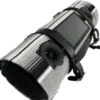
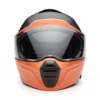
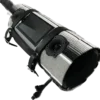
Best Harley-Davidson Parts to Upgrade Your Motorcycle in 2026 Upgrading a Harley-Davidson motorcycle is one of the best ways to improve its appearance, comfort, performance, and overall riding experience. Whether you ride a Touring, Road Glide, Street Glide, Softail, or another Harley model, choosing the right Harley-Davidson parts can make a noticeable difference. From genuine Harley-Davidson parts and OEM components to performance upgrades, motorcycle audio, saddlebags, lighting, grips, and protective equipment, today’s riders have many options when shopping for Harley motorcycle parts online. In this guide, we’re covering some of the best Harley upgrades worth considering in 2026 and explaining what to look for when choosing parts for your motorcycle. 1. Harley-Davidson Performance Parts Performance upgrades are among the most popular choices for Harley riders who want to get more from their motorcycles. Depending on your model and riding goals, performance parts can include air cleaners, exhaust components, engine upgrades, tuning equipment, and performance kits. A quality Harley-Davidson performance upgrade should be selected according to your motorcycle’s model, engine configuration, and existing modifications. Installing compatible components helps ensure that your upgrades work together properly. For riders looking for significant engine upgrades, performance kits such as the Screamin’ Eagle 135 kit are worth researching. Always verify model compatibility and installation requirements before purchasing performance components. 2. Upgraded Harley Air Cleaners An upgraded air cleaner can be an excellent addition to a Harley-Davidson motorcycle, particularly when combined with other compatible performance modifications. High-quality air cleaner systems are designed to provide efficient airflow while complementing the motorcycle’s engine and overall appearance. Riders considering an air cleaner upgrade should pay attention to compatibility, filtration, construction, and installation requirements. If you’re researching Harley parts for a performance-focused build, an air cleaner can be an important component to consider alongside other engine upgrades. 3. Harley-Davidson Saddlebags For touring and long-distance riders, Harley saddlebags are among the most practical upgrades available. Saddlebags provide additional storage while maintaining the classic appearance of a Harley-Davidson motorcycle. When shopping for Harley-Davidson saddlebags, consider storage capacity, construction, mounting compatibility, weather resistance, and the specific model of your motorcycle. Riders can choose between OEM-style options and aftermarket designs depending on their requirements and budget. If you’re searching for OEM Harley saddlebags, always check the exact part number and motorcycle compatibility before ordering. 4. Harley Audio and Speaker Upgrades Music and entertainment have become an important part of modern motorcycle touring. Upgrading your motorcycle’s audio system can provide a more enjoyable experience during long rides. Harley Stage 3 speakers, upgraded amplifiers, fairing speakers, and other motorcycle audio components can help riders create a more capable sound system. For riders who spend significant time touring, choosing speakers designed specifically for motorcycle environments is important. Motorcycle audio components need to withstand vibration, outdoor conditions, and the noise produced while riding. Another option worth considering is a bedroll speaker for Harley applications. These speakers can provide an additional audio solution while complementing a customized motorcycle setup. 5. Heated Hand Grips Comfort upgrades can make a major difference when riding in colder conditions. Heated grips are particularly useful for riders who frequently travel during cooler mornings, evenings, or extended touring trips. Switchback heated grips are one example of a popular upgrade for Harley riders looking for additional hand comfort. When selecting heated hand grips, check compatibility with your motorcycle and ensure the electrical requirements are suitable for your specific model. For riders searching for Harley Switchback heated grips or switchback heated hand grips, choosing the correct application is essential for a proper installation. 6. Harley-Davidson Modular Helmets A helmet is an essential part of motorcycle riding equipment. Riders who regularly tour may prefer a modular helmet because it combines features associated with full-face and open-face helmet designs. The HD H31 helmet and H-D EVO X17 modular helmet are examples of Harley-Davidson branded helmet options riders may consider when upgrading their riding gear. When choosing a motorcycle helmet, focus on proper fit, certification, ventilation, visibility, construction, and the features that match your riding style. A helmet should always fit securely and comfortably. 7. Motorcycle Camera Systems Motorcycle camera systems are becoming increasingly popular among riders who want to document their journeys or have additional visual awareness while riding. A quality motorcycle camera system can be useful for touring, road trips, and capturing memorable rides. When comparing camera systems, consider video quality, mounting options, storage capacity, weather resistance, field of view, and power requirements. For Harley riders, choosing a camera system designed or tested for motorcycle applications can make installation easier and provide a cleaner overall setup. 8. Road Glide Accessories Road Glide owners have a wide range of accessories available for customization and touring. Popular Road Glide accessories can include audio upgrades, lighting, storage solutions, camera systems, comfort components, and other motorcycle accessories. If you are planning a 2026 Road Glide build, start by identifying how you use your motorcycle. A long-distance touring setup may prioritize storage and comfort, while a performance-focused build may concentrate on engine and handling upgrades. 9. Genuine and OEM Harley-Davidson Parts When replacing an existing component, many riders specifically look for genuine Harley-Davidson parts or Harley-Davidson OEM parts. OEM parts are designed for specific motorcycle applications and can be a practical choice when maintaining an original configuration. Before ordering OEM Harley parts, verify the motorcycle year, model, engine configuration, and part number. This is particularly important when purchasing replacement parts online because similar-looking components may have different applications. Searching for genuine Harley-Davidson parts online can make finding specific components more convenient, but riders should always verify product details and compatibility before completing an order. 10. Harley-Davidson Accessories Not every upgrade needs to focus on performance. Harley-Davidson accessories can help personalize a motorcycle while improving convenience, comfort, storage, or appearance. Popular categories include motorcycle bags, grips, audio equipment, lighting, helmets, cameras, touring accessories, and replacement components. When shopping for Harley parts and accessories, prioritize products that match your motorcycle and your riding requirements rather than choosing an upgrade simply because it looks appealing.
OEM vs Aftermarket Harley Parts: Complete Buying Guide for 2026
OEM vs Aftermarket Harley Parts: Complete Buying Guide for 2026 When upgrading or replacing parts on your Harley Davidson, one of the biggest decisions you’ll face is choosing between OEM vs aftermarket Harley parts. This decision affects performance, reliability, price, and long-term riding experience. Some riders prefer factory-original components, while others choose aftermarket upgrades for improved performance and customization. In this complete 2026 buying guide from HDMotorPartsStore, we’ll break down OEM vs aftermarket Harley parts, explain the pros and cons of each, and help you decide which option is best for your bike and riding style. What Are OEM Harley Parts? OEM stands for Original Equipment Manufacturer. These are parts made by or specifically for that match the exact specifications of your motorcycle. OEM parts are identical to what came installed on your bike from the factory. Examples of OEM Harley Parts Common OEM replacement components include: Air cleaners Brake pads Saddlebags Exhaust systems Suspension components Electrical components Engine parts OEM parts are designed to maintain factory performance and reliability. Benefits of OEM Harley Parts Many riders choose OEM parts because they offer peace of mind and guaranteed compatibility. 1. Perfect Fit and Compatibility OEM parts are designed specifically for your Harley model, meaning: No modification required Easier installation Reduced risk of fitment issues This is especially important for newer bikes and riders who want hassle-free installation. 2. Factory-Level Reliability OEM parts meet strict manufacturing standards. They are designed to: Maintain factory performance Provide long-term reliability Ensure durability under normal riding conditions This makes OEM parts ideal for riders focused on reliability over performance. 3. Warranty Compatibility Using OEM parts can help maintain warranty coverage on newer motorcycles. Many riders prefer OEM components to avoid potential warranty complications. 4. Consistent Performance OEM parts are designed to maintain the original performance of your bike. This is ideal for riders who want to preserve factory riding characteristics. What Are Aftermarket Harley Parts? Aftermarket parts are produced by third-party manufacturers, not directly by . These parts are designed to: Improve performance Add customization options Enhance comfort Increase durability Aftermarket parts often focus on improving specific aspects of the motorcycle rather than maintaining stock performance. Benefits of Aftermarket Harley Parts Aftermarket parts have become extremely popular among Harley riders, especially for performance upgrades. 1. Better Performance Potential Many aftermarket parts are designed to improve: Horsepower Torque Throttle response Handling For example: Performance air cleaners improve airflow Exhaust systems increase power Suspension upgrades improve ride quality This makes aftermarket parts ideal for performance-focused riders. 2. More Customization Options Aftermarket manufacturers offer a wide variety of: Styles Finishes Materials Designs This allows riders to personalize their bikes beyond factory options. 3. Competitive Pricing Aftermarket parts often provide: Lower prices Better performance per dollar More upgrade options This makes them appealing to budget-conscious riders. 4. Specialized Upgrades Aftermarket parts often focus on specific rider needs, including: Touring comfort Performance riding Long-distance upgrades Lightweight components These specialized upgrades improve overall riding experience. OEM vs Aftermarket: Side-by-Side Comparison OEM Harley Parts Pros: Perfect fit Factory reliability Warranty-friendly Easy installation Cons: Limited performance improvements Higher cost in some cases Fewer customization options Aftermarket Harley Parts Pros: Better performance potential More customization options Competitive pricing Wider variety Cons: Quality varies by manufacturer May require installation adjustments Some parts require tuning When to Choose OEM Harley Parts OEM parts are best when: Replacing worn factory components Maintaining warranty compliance Prioritizing reliability Keeping bike stock OEM parts are ideal for riders who want factory-level performance and minimal risk. When to Choose Aftermarket Harley Parts Aftermarket parts are best when: Upgrading performance Customizing your bike Improving comfort for touring Enhancing handling and braking Aftermarket upgrades are ideal for riders looking to improve their bike’s performance and feel. Best Parts to Buy OEM Some parts are often better purchased as OEM: Electrical components Engine internals Sensors Factory mounting hardware These components require precise compatibility. Best Parts to Buy Aftermarket Other parts are often better as aftermarket upgrades: Air cleaners Exhaust systems Suspension components Saddlebags Comfort seats Performance brakes These upgrades provide noticeable improvements. Cost Comparison: OEM vs Aftermarket Pricing varies depending on part type. OEM Parts Usually higher cost Factory-quality reliability Limited performance benefits Aftermarket Parts Wide price range Better performance potential More options available Aftermarket parts often provide better value for performance upgrades. Common Mistakes Riders Make 1. Choosing Based on Price Only Low-cost aftermarket parts may sacrifice quality. 2. Ignoring Compatibility Always confirm fitment for your Harley model. 3. Mixing Poor-Quality Components Use reputable brands for best results. 4. Skipping Professional Advice Some upgrades benefit from expert guidance. 2026 Trends in Harley Parts Motorcycle upgrades are evolving quickly. Key trends include: Lightweight performance components Advanced suspension upgrades Smart ECU tuning modules High-efficiency intake systems Touring comfort enhancements Aftermarket innovation continues to grow, offering better performance than ever. Which Option Is Best for You? Choose OEM if you want: Reliability Warranty protection Factory performance Choose aftermarket if you want: Better performance Customization Touring comfort upgrades Many riders use a combination of both for the best results. Final Thoughts Choosing between OEM and aftermarket Harley parts depends on your riding goals, budget, and performance expectations. OEM parts provide reliability and factory fitment, while aftermarket upgrades unlock performance and customization potential. For riders of motorcycles, combining both options often delivers the best balance of performance, comfort, and durability. At HDMotorPartsStore, we focus on providing high-quality OEM and aftermarket Harley parts to help riders build better bikes for performance, touring, and everyday riding.
Are OEM Harley-Davidson Parts Worth the Price?
Are OEM Harley-Davidson Parts Worth the Price? An Honest Breakdown for Riders Who Care About Quality When it comes to maintaining, repairing, or upgrading a Harley-Davidson, one question sparks endless debate among riders: Are OEM Harley-Davidson parts really worth the price? At first glance, genuine Harley-Davidson parts often cost more than aftermarket alternatives. For riders trying to manage budgets—or customize their bike—it’s tempting to choose cheaper options. But price alone doesn’t tell the full story. In this in-depth guide, we’ll take an honest, rider-focused breakdown of Harley-Davidson OEM parts, exploring their true value, long-term costs, performance benefits, and when (if ever) aftermarket parts make sense. If you care about reliability, safety, resale value, and long-term ownership, this article is for you. What Are Genuine Harley-Davidson OEM Parts? Before comparing prices, it’s important to understand what OEM really means. OEM (Original Equipment Manufacturer) Harley-Davidson parts are components: Designed and engineered by Harley-Davidson Manufactured either in-house or by Harley-approved partners Built to the exact same specifications as the parts originally installed on your bike When you buy genuine Harley-Davidson parts, you’re purchasing: Factory-tested components Model- and year-specific fitment Parts that meet Harley’s strict durability and safety standards These are not “close enough” replacements—they are identical to factory-installed parts. Why Are Harley OEM Parts More Expensive? Many riders ask why Harley-Davidson OEM parts cost more than aftermarket options. The answer lies in engineering, testing, and accountability. 1. Precision Engineering & Fitment OEM parts are designed specifically for your Harley’s: Frame geometry Suspension setup Engine tolerances Electrical systems This eliminates guesswork, trimming, drilling, or modifications. 2. Extensive Testing Before a part ever reaches the market, Harley tests it for: Heat resistance Vibration tolerance Weather exposure Long-term wear Most aftermarket brands simply don’t test at this level. 3. Quality Materials From chrome finishes to internal engine components, genuine Harley-Davidson parts use materials selected for longevity—not cost-cutting. 4. Warranty & Accountability OEM parts are often covered under Harley’s warranty and backed by a global brand reputation. If something fails, Harley stands behind it. OEM vs Aftermarket: A Real-World Comparison Feature Harley-Davidson OEM Parts Aftermarket Parts Fitment Exact factory match May require adjustment Quality Control Factory-tested Varies widely Warranty Often included Limited or none Safety Certified to Harley standards Not always certified Longevity Designed for long-term use Can wear faster Resale Value Maintains or increases value May lower value While some aftermarket brands are reputable, consistency is the key difference. With OEM, you always know what you’re getting. Where Genuine Harley-Davidson Parts Truly Pay Off Not all parts are equal. Some components benefit far more from OEM quality than others. 1. Engine & Performance Components OEM engine parts ensure: Correct tolerances Proper oil flow Reliable heat management Using non-OEM engine components can lead to: Premature wear Reduced performance Costly engine repairs Verdict: OEM is strongly recommended. 2. Brakes & Safety Components Braking systems are not the place to cut corners. OEM brake components provide: Consistent stopping power Perfect alignment Proven heat resistance Cheap alternatives may: Fade under heat Wear unevenly Compromise rider safety Verdict: Always choose OEM. 3. Suspension & Chassis Parts OEM suspension parts are tuned for: Harley’s weight distribution Touring loads Long-distance comfort Aftermarket suspension may improve performance—but only if properly engineered and installed. Verdict: OEM is safest for most riders. 4. Saddlebags & Touring Accessories OEM Harley-Davidson saddlebags offer: Factory paint matching Weatherproof seals Locking systems integrated with the bike Aftermarket bags may: Leak Fade Vibrate loose over time Verdict: OEM delivers long-term touring reliability. 5. Electrical & Electronics OEM electronics are fully compatible with: Factory wiring harnesses ECU systems Harley infotainment platforms Aftermarket electronics can cause: Error codes Battery drain System malfunctions Verdict: OEM avoids headaches. The Hidden Cost of Cheap Aftermarket Parts A cheaper price tag can be misleading. Here’s what many riders don’t factor in: Extra labor for poor fitment Replacement costs when parts fail early Damage to other components Reduced resale value Warranty complications In many cases, riders end up spending more over time than if they had chosen Harley-Davidson OEM parts initially. When Aftermarket Parts Can Make Sense To be fair, aftermarket parts aren’t always a bad choice. They can make sense for: Cosmetic customization (mirrors, grips, trim) Non-critical accessories Audio upgrades from reputable brands However, even in these categories, high-quality aftermarket parts often approach OEM pricing—making OEM the safer long-term choice. OEM Parts & Resale Value: An Overlooked Advantage When it’s time to sell or trade your Harley, buyers look closely at: Maintenance history Parts authenticity Overall reliability A bike built with genuine Harley-Davidson parts: Signals proper care Commands higher resale prices Attracts serious buyers faster Many dealers will also offer better trade-in values for OEM-equipped bikes.Are Harley-Davidson OEM Parts Worth It for Touring Riders? For touring riders, the answer is almost always yes. Long-distance riding demands: Reliability Comfort Durability OEM touring parts excel in: Saddlebags & luggage systems Seats & ergonomics Suspension tuning Wind protection Electrical accessories When you’re hundreds of miles from home, OEM reliability is priceless. Cost Breakdown: OEM vs Aftermarket (Realistic Examples) Part Type OEM Price Range Aftermarket Price Range Air Cleaner $150–$600 $80–$450 Saddlebags $700–$2,000 $300–$1,200 Brake Components $200–$800 $100–$500 Seats $350–$900 $200–$700 Electrical Accessories $150–$1,000 $75–$800 The price gap often narrows when you factor in quality, longevity, and warranty. Common Myths About Harley-Davidson OEM Parts Myth 1: OEM parts are overpriced Reality: You’re paying for engineering, testing, fitment, and long-term reliability. Myth 2: Aftermarket parts perform better Reality: Some do—but many sacrifice durability and safety. Myth 3: OEM parts limit customization Reality: Harley offers one of the largest OEM accessory catalogs in motorcycling. FAQ: Genuine Harley-Davidson OEM Parts Are genuine Harley-Davidson parts better than aftermarket? In most cases, yes—especially for safety, engine, touring, and electrical components. Do OEM parts affect my Harley warranty? OEM parts protect your warranty. Some aftermarket parts may void coverage. Are OEM parts worth it for older Harleys? Yes. OEM parts maintain originality and reliability, especially for resale. Can I install OEM parts myself? Many accessories can