Harley Screamin’ eagle 121 to 135 Kit: What Riders Should Know A 121 to 135 Harley kit can be a major performance upgrade for riders who want to take a compatible Harley-Davidson engine to the next level. Unlike a simple bolt-on modification, moving from a 121 platform to a 135 configuration involves planning, compatibility checks, supporting components, and proper installation. Before buying a Harley 121 to 135 kit, it is important to understand what the upgrade involves, what supporting parts may be required, and whether a larger engine build makes sense for your riding style. What Is a Harley 121 to 135 Kit? A 121 to 135 kit is a performance-oriented engine upgrade designed to move a compatible 121 engine platform toward a larger 135 configuration. The goal is generally to increase the engine’s performance potential while creating a complete setup that works with the motorcycle’s intake, exhaust, calibration, drivetrain, and other supporting systems. One of the most recognized options in this category is the Screamin’ Eagle 135 kit, which is intended for compatible Harley-Davidson applications. Why Upgrade From 121 to 135? The main reason riders consider a 121-to-135 upgrade is the desire for greater engine performance. Compared with smaller modifications, a larger engine upgrade can provide a more comprehensive performance-focused build. Riders may consider the upgrade when they want: More engine performance Stronger acceleration Greater performance potential A more substantial engine build A premium performance setup However, more displacement does not automatically mean a better motorcycle for every rider. Your goals should determine whether this type of upgrade is appropriate. Is Your Harley Compatible With a Screamin’ eagle 121 to 135 Kit? Compatibility should always be the first consideration. Not every Harley-Davidson motorcycle can use the same performance kit. Before ordering, verify: Motorcycle model Model year Engine platform Current engine configuration Existing performance modifications Required supporting components Always use the manufacturer’s fitment information for the specific kit you are considering. If you are unsure, consult a qualified Harley-Davidson technician or experienced motorcycle shop. What Does a 121 to 135 Upgrade Involve? A complete engine upgrade can involve several components rather than one replacement part. Depending on the specific application, the build may involve changes to the engine assembly and supporting systems. Engine Components The core of the project is the engine upgrade itself. The exact components depend on the kit and motorcycle application. Air Intake The engine needs an appropriate air supply to support the selected configuration. A compatible high-flow intake may form part of the overall performance setup. Exhaust The exhaust system can also influence engine airflow and performance characteristics. The correct exhaust should complement the rest of the build. Calibration Changes to engine hardware can affect engine operation. Appropriate calibration should therefore be considered when planning a major performance upgrade. Drivetrain Increasing engine performance can place additional demands on drivetrain components. Depending on the final setup, the clutch and other related components may need to be evaluated. 121 to 135 Harley Kit vs Smaller Performance Upgrades Not every rider needs a complete 135 engine build. Smaller upgrades can provide meaningful improvements at a lower level of investment. Upgrade Best For High-flow air cleaner Improving intake airflow Performance exhaust Exhaust flow and engine character Performance cam Changing power delivery Calibration Supporting engine modifications 121 to 135 kit Major engine performance upgrade If you want a modest improvement for daily riding, a complete 135 build may be more than you need. Riders seeking a substantial engine upgrade, however, may find the larger build more appealing. What Supporting Parts Should You Consider? A successful Harley 121 to 135 upgrade should be planned as a complete system. Performance Air Intake A suitable intake can support airflow requirements for the upgraded engine. Make sure the intake is designed for the specific motorcycle and engine configuration. Performance Exhaust An appropriate exhaust can complement the engine build. Compatibility should be checked before combining aftermarket components. Engine Calibration Calibration is an important consideration when engine hardware changes. Follow the requirements of the specific kit and supporting components. Clutch and Drivetrain Additional engine output can increase demands on the drivetrain. The clutch and related components should be evaluated as part of the overall build. Cooling and Supporting Systems Major performance modifications should also account for the systems that support engine operation. Follow the manufacturer’s specifications for the selected application. How Much Does a 121 to 135 Harley Upgrade Cost? The price of a 121 to 135 Harley kit is only one part of the total project cost. Your complete budget may include: Performance kit Supporting engine components Air intake Exhaust Calibration Installation labor Additional hardware Maintenance after installation For this reason, compare the estimated cost of the complete project rather than the kit price alone. Should You Install a 121 to 135 Kit Yourself? A major engine modification requires more experience than a typical accessory installation. Before attempting the work yourself, consider your mechanical experience, available tools, workspace, and ability to complete the required calibration and testing. If you do not have the appropriate experience or equipment, professional installation may be the safer and more practical option. How a 135 Upgrade Affects Touring Many Harley-Davidson owners use their motorcycles for long-distance touring, so performance upgrades should be evaluated with touring requirements in mind. A 135 engine build can be part of a touring motorcycle, but riders should consider the entire setup, including suspension, brakes, tires, luggage, and passenger load. Our guide to the best Harley-Davidson performance upgrades for 2026 covers additional ways to create a balanced performance setup. Performance and Handling Should Work Together Adding engine performance without considering the rest of the motorcycle can result in an unbalanced build. If you are increasing engine output, consider whether your suspension, tires, and brakes are suitable for your intended riding style. For riders who frequently travel long distances, comfort and stability should also remain priorities. 121 to 135 Upgrade Planning Checklist Confirm your exact Harley-Davidson model. Verify the engine platform. Check the kit’s specific fitment. Define
Screamin’ Eagle 135 Kit: Complete Harley Performance Guide The Screamin’ Eagle 135 kit is one of the most talked-about Harley-Davidson performance upgrades for riders who want more engine performance from a compatible motorcycle. Moving from a 121 engine platform to a larger 135 configuration can create a significant performance-focused build, but the upgrade requires careful planning. Before buying a 135 kit, riders should consider motorcycle compatibility, supporting components, installation requirements, calibration, riding goals, and total project cost. This guide explains what to consider when planning a Harley-Davidson 135 performance upgrade. What Is the Screamin’ Eagle 135 Kit? The Screamin’ Eagle 135 kit is a Harley-Davidson performance upgrade designed for compatible motorcycles and engine configurations. It is aimed at riders who want to move beyond the standard engine setup and build a higher-performance motorcycle. Rather than treating the kit as a simple replacement part, think of a 135 upgrade as part of a complete engine performance project. Intake, exhaust, calibration, drivetrain components, cooling, and other supporting systems can all matter depending on the specific application. Why Consider a Harley 121 to 135 Upgrade? Riders who already have a compatible 121 engine may consider a 121 to 135 Harley kit when they want a more substantial performance upgrade. A larger engine configuration can support a different level of performance than a basic bolt-on modification. However, the best results come from building a properly matched system rather than focusing on displacement alone. The upgrade may appeal to riders who want: More engine performance Stronger acceleration Greater performance potential A more substantial engine build A premium Harley performance setup Who Should Consider a 135 Kit? A 135 performance build is generally more appropriate for riders who have clearly defined performance goals and are prepared to invest in a comprehensive upgrade. It may be worth considering if you: Want more performance than basic bolt-on upgrades provide Already own a compatible high-performance Harley Plan to build the motorcycle around a larger engine configuration Are comfortable budgeting for supporting components and installation Want a performance-focused touring or street motorcycle For riders who simply want a modest improvement, less extensive upgrades may provide a better balance of cost and performance. Check Compatibility Before Buying One of the most important steps is confirming whether the Screamin’ Eagle 135 kit is compatible with your exact motorcycle and engine configuration. Do not rely only on the motorcycle family name. Verify the specific model, year, engine platform, and any existing modifications before ordering. Also check whether the kit requires additional components or specific installation procedures. Product compatibility can vary between applications. What Supporting Parts May Be Needed? A major engine upgrade should be considered as a complete system. Depending on the application, supporting components may be required to complement the engine configuration. Air Intake An appropriate high-flow intake can support the engine’s airflow requirements. Riders should select an intake designed for the specific engine setup rather than choosing solely by appearance. Exhaust System The exhaust can influence airflow, sound, and engine characteristics. A performance-oriented exhaust may be considered as part of a complete 135 build. Engine Calibration Changes to engine hardware can affect how the motorcycle operates. Proper calibration is an important consideration when completing significant engine modifications. Drivetrain Components Increasing engine output can place additional demands on drivetrain components. Depending on the final configuration, the clutch and other supporting components may need to be evaluated. Cooling and Supporting Systems Performance builds should also account for the supporting systems that help the engine operate reliably. Follow the kit manufacturer’s requirements and installation instructions for your specific application. Screamin’ Eagle 135 Kit vs Basic Harley Performance Upgrades A 135 engine upgrade is very different from installing a single performance component. Upgrade Type Typical Goal Air cleaner Improve airflow Performance exhaust Improve exhaust flow and engine character Cam upgrade Change engine power delivery Calibration Optimize engine operation after modifications 135 engine build Major performance-focused upgrade If you are unsure whether you need a full engine build, start by identifying the type of performance improvement you actually want. Performance vs Touring: Is a 135 Build Right for You? Many Harley riders use their motorcycles for both performance riding and long-distance touring. That makes it important to balance engine performance with comfort and reliability. A touring-focused rider may want strong usable performance rather than an aggressive setup designed primarily for maximum output. Consider how often you ride long distances, carry luggage, ride with a passenger, or spend time in city traffic before deciding how extensive your engine upgrade should be. Our guide to Harley-Davidson accessories for long-distance touring covers other upgrades that can complement a touring-focused build. Installation Considerations A major engine upgrade is not the same as installing a simple accessory. Depending on the specific kit and motorcycle, installation may involve significant mechanical work. Before purchasing, consider: Required tools Installation time Mechanical experience Required supporting components Calibration requirements Professional installation costs If you do not have the required experience or equipment, professional installation can be a sensible option for a major engine modification. How Much Does a Harley 135 Upgrade Cost? The total cost of a Harley 135 upgrade depends on much more than the kit itself. Your overall budget may include: The performance kit Supporting engine components Intake components Exhaust components Calibration Installation labor Additional hardware Future maintenance For this reason, compare the complete project cost rather than looking only at the initial kit price. How to Plan a 121 to 135 Harley Build Step 1: Identify Your Engine Confirm the exact engine and motorcycle configuration before selecting the kit. Step 2: Define Your Performance Goal Decide whether your priority is acceleration, touring performance, overall engine output, or a balanced combination. Step 3: Check Kit Compatibility Review the manufacturer’s application information and confirm that the kit is designed for your motorcycle. Step 4: Plan Supporting Components Determine whether your intake, exhaust, calibration, clutch, and other components are suitable for the planned configuration. Step 5: Calculate the Complete Budget Include parts, labor, calibration, and
Best Harley-Davidson Performance Upgrades for 2026 Upgrading a Harley-Davidson can improve acceleration, throttle response, sound, handling, comfort, and overall riding performance. The right combination depends on your motorcycle, riding style, budget, and the type of improvement you want. From engine upgrades and air cleaners to suspension and exhaust components, there are plenty of ways to build a more capable motorcycle. This guide covers some of the best Harley-Davidson performance upgrades to consider in 2026. Why Upgrade Your Harley-Davidson? Factory Harley-Davidson motorcycles provide a strong foundation, but riders often want more from their bikes. A carefully selected performance upgrade can improve specific areas without requiring a complete motorcycle build. Common reasons to upgrade include: More engine performance Improved throttle response Better acceleration Improved handling Stronger braking performance Better suspension control Improved touring comfort A more aggressive riding experience The key is choosing upgrades that work together rather than installing individual parts without considering the overall setup. 1. Upgrade the Air Intake An upgraded air cleaner is one of the most common starting points for Harley performance builds. A better intake system can improve airflow to the engine and complement other engine modifications. High-flow air cleaners are especially useful when combined with compatible exhaust and calibration upgrades. If you are installing an air cleaner, make sure the component is designed for your motorcycle and engine configuration. Our guide on how to install a Harley air cleaner can also help you understand the installation process. 2. Consider a Performance Exhaust The exhaust system plays an important role in airflow, sound, and overall engine character. A performance-oriented exhaust can complement intake and engine upgrades while giving your Harley a more aggressive exhaust note. When selecting an exhaust system, consider: Motorcycle model and year Engine configuration Intended use Sound level Legal requirements Compatibility with other performance components An exhaust upgrade should be considered as part of the complete engine setup rather than as an isolated modification. 3. Add a Harley-Davidson Performance Cam For riders looking for more significant engine improvements, a performance camshaft can change how the engine delivers power. Depending on the application, a cam upgrade can target areas such as: Low-end torque Mid-range power Throttle response High-RPM performance Camshaft selection should match the engine, compression ratio, intake, exhaust, and intended riding style. Professional installation and proper calibration may also be appropriate. 4. Upgrade to a Screamin’ Eagle Performance Kit For riders looking for a more comprehensive engine upgrade, a Screamin’ Eagle performance kit can be an option worth researching. These kits are designed around specific Harley-Davidson performance applications and can combine multiple components into a coordinated upgrade. One of the performance products already attracting search interest is the Screamin’ Eagle 135 kit. Riders considering a 121-to-135 upgrade should confirm engine compatibility and review the complete installation requirements before purchasing. For a deeper look at this upgrade, see our upcoming guide on the Screamin’ Eagle 135 Kit. 5. Explore the Harley 121 to 135 Upgrade Riders with compatible 121 engines may consider a 135 upgrade when they want a substantial increase in engine performance. A 121-to-135 build can involve multiple components, so compatibility is essential. The engine, supporting hardware, calibration, intake, exhaust, and other components should work together as a complete system. This type of upgrade is better suited to riders who want a significant performance build rather than a simple bolt-on modification. 6. Upgrade the Suspension Engine power is only part of the riding experience. Suspension upgrades can make a major difference in how your Harley handles corners, uneven roads, braking, and long-distance riding. Consider upgrading the suspension if you want: Better cornering control Improved ride quality More stability Better control over uneven roads Improved performance with luggage or a passenger Premium suspension brands such as Öhlins and Legend offer performance-focused options for selected Harley-Davidson applications. 7. Improve Braking Performance More engine performance should be matched by dependable braking performance. Riders building a faster Harley should consider whether their existing brakes are appropriate for their riding style and modifications. Depending on the motorcycle, possible upgrades can include: High-performance brake pads Upgraded brake lines Performance rotors Improved brake components Always use components designed for your specific Harley-Davidson model and follow the manufacturer’s installation requirements. 8. Upgrade the Tires Tires are one of the most important performance components on any motorcycle. The right tires influence acceleration, braking, cornering, stability, and wet-weather performance. When choosing performance-oriented tires, consider your typical riding environment. A tire designed for aggressive cornering may not provide the same priorities as a tire optimized for long-distance touring. 9. Improve Throttle Response With Proper Calibration Engine modifications can change airflow and engine behavior. Proper calibration helps the motorcycle operate correctly with the selected combination of components. This becomes particularly important when combining intake, exhaust, camshaft, or larger engine upgrades. Instead of choosing parts individually, consider the complete performance package and make sure the required calibration is included or addressed during installation. 10. Upgrade the Clutch for Higher Power Additional engine power can place greater demands on the drivetrain. Riders completing substantial performance builds may need to consider clutch capacity and drivetrain components. A suitable clutch upgrade can help the motorcycle handle increased power and torque when the original components are no longer appropriate for the setup. 11. Improve Harley Touring Performance Touring riders do not necessarily need the most aggressive engine build. For long-distance riding, the best Harley touring parts often focus on balance, comfort, handling, and reliable performance. Useful touring-oriented upgrades can include: Premium suspension Improved brakes Performance tires Air intake upgrades Appropriate exhaust components Engine performance upgrades Improved motorcycle audio Our guide to Harley-Davidson accessories for long-distance touring covers additional upgrades for riders who spend extended time on the road. 12. Performance Upgrades for Road Glide and Street Glide Road Glide and Street Glide owners have many options when building a more capable touring motorcycle. Popular upgrade categories include engine performance, suspension, braking, intake, exhaust, audio, lighting, and touring accessories. Because touring models can carry significant luggage and passenger weight,
How to Choose Harley-Davidson Saddlebags for Your motorcycle Choosing the right Harley-Davidson saddlebags depends on more than appearance. The right bags should fit your motorcycle, provide enough storage, match your riding style, and work with your existing accessories and mounting system. Whether you ride a Road Glide, Street Glide, Softail, or another Harley-Davidson model, checking fitment and storage needs before you buy can help you avoid compatibility problems. 1. Start With Your Harley-Davidson Model The first step is identifying your exact Harley-Davidson motorcycle. Saddlebag mounting systems, dimensions, brackets, exhaust clearance, and other components can vary between models and model years. Before purchasing, confirm your motorcycle’s: Model Model year Trim or specific configuration Saddlebag mounting system Existing accessories that may affect fitment Do not assume that a saddlebag designed for one Harley model will automatically fit another. Always check the manufacturer’s fitment information before ordering. 2. Decide How Much Storage You Need Your riding habits should determine the amount of storage you need. A rider who mainly takes short local trips may need less capacity than someone who regularly travels long distances. For Daily Riding Compact Harley motorcycle bags can provide enough room for tools, personal items, rain gear, and other everyday essentials without adding unnecessary bulk. For Touring Long-distance riders typically benefit from larger saddlebags with enough space for clothing, riding gear, maintenance supplies, and travel essentials. If you frequently travel with your Harley, consider storage capacity before choosing a style based only on appearance. 3. Check Saddlebag Fitment Carefully Fitment is one of the most important factors when buying Harley saddlebags. A bag can look perfect for your motorcycle but still require different brackets, hardware, or additional modifications. Check whether the saddlebag is designed for your exact model and year. Also look for requirements involving: Mounting hardware Turn-signal relocation License plate relocation Exhaust clearance Fender clearance Existing racks or guards For example, some quick-release saddlebag applications may require additional changes depending on the motorcycle configuration. Checking fitment before purchase helps prevent installation surprises. 4. Choose Between OEM and Aftermarket Saddlebags One of the biggest decisions is whether to choose genuine Harley-Davidson saddlebags or a high-quality aftermarket option. OEM Harley-Davidson Saddlebags OEM Harley saddlebags are designed around specific Harley-Davidson applications and can be an excellent choice when factory-style fit, appearance, and compatibility are priorities. They are particularly useful for riders who want their motorcycle to maintain a factory-oriented appearance. Aftermarket Harley Saddlebags High-quality aftermarket saddlebags can provide additional styles, materials, storage configurations, and price options. Some riders choose aftermarket bags when they want a specific look or feature that is not available from the factory. The important factor is quality and verified compatibility. A lower price does not always mean better value if installation requires additional parts or modifications. 5. Consider the Mounting System The mounting system affects how easily you can install, remove, and secure your saddlebags. Quick-Release Saddlebags Quick-release designs are useful for riders who want to remove their bags when they do not need additional storage. They can also make cleaning and maintenance easier. Fixed-Mount Saddlebags Fixed mounting provides a more permanent storage solution. This can make sense for touring motorcycles that carry luggage regularly. Before buying, confirm which mounting hardware comes with the saddlebag and whether your motorcycle needs additional brackets or installation components. 6. Choose the Right Material Saddlebag materials influence appearance, durability, weight, maintenance, and weather resistance. Hard Saddlebags Hard saddlebags provide a structured storage area and can offer a clean, integrated appearance. They are a popular option for touring motorcycles and riders who regularly carry larger loads. Leather Saddlebags Harley-Davidson leather saddlebags offer a classic motorcycle appearance and can complement traditional Harley styling. Leather requires more care than many synthetic materials, so consider your willingness to maintain it. Textile and Synthetic Options Synthetic saddlebag materials can offer flexibility and practical everyday storage. Depending on construction, they may also provide useful resistance to moisture and road conditions. 7. Think About Weather Protection If you ride throughout the year, weather protection should be part of your buying decision. Consider whether the saddlebag provides: Weather-resistant construction Sealed or protected closures Water-resistant liners Secure fastening Protection for sensitive cargo Even weather-resistant saddlebags should not be treated as completely waterproof unless the manufacturer specifically states that they are. 8. Consider Security Riders who leave luggage on their motorcycles should also consider how securely the saddlebags attach to the bike. Lockable hard saddlebags can provide an advantage when you need to secure personal belongings during stops. Quick-release bags should also have a reliable attachment system that prevents unwanted movement while riding. 9. Check Clearance Around the Motorcycle Before installing larger Harley Davidson saddlebags, check the available clearance around the rear of the motorcycle. The bags should not interfere with: Exhaust components Rear suspension movement Turn signals Passenger foot controls License plates Other installed accessories Proper clearance helps maintain safe operation and prevents contact between the bags and motorcycle components. 10. Consider Saddlebag Guards Saddlebag guards can provide additional protection around the lower and outer areas of the bags. They can also complement the appearance of touring motorcycles. If you are upgrading your luggage setup, consider whether Harley-Davidson Black Saddlebag Guards are compatible with your motorcycle. 11. Think About Your Riding Style The best saddlebag is the one that matches how you actually use your Harley. Riding Style What to Prioritize Daily commuting Practical capacity and easy access Weekend rides Moderate storage and easy installation Long-distance touring Large capacity, durability, security, and weather protection Custom builds Style, dimensions, and mounting compatibility Occasional luggage use Quick-release functionality 12. Match the Saddlebags to Your Motorcycle’s Style Function matters, but appearance also plays a major role. Your saddlebags should complement the lines and styling of your motorcycle. Touring riders may prefer integrated hard bags, while custom Harley builds may benefit from leather or specialized aftermarket designs. When comparing options, look at the shape, finish, mounting position, and overall proportions of the bags rather than focusing only on storage capacity. 13. Check Installation
Harley Saddlebags Buying Guide Choosing the right Harley saddlebags is about more than finding a bag that looks good on your motorcycle. The right setup needs to provide enough storage, fit your Harley-Davidson model correctly, work with the motorcycle’s mounting system, and suit the way you ride. With options ranging from OEM hard bags and quick-release systems to leather and aftermarket luggage, knowing what to look for can make the buying process much easier. This Harley saddlebags buying guide explains the most important factors to consider, including saddlebag sizes, styles, materials, mounting systems, compatibility, storage capacity, and touring requirements. What Are Harley Saddlebags? Harley saddlebags are storage compartments mounted on the sides of a motorcycle. They provide convenient space for tools, clothing, rain gear, electronics, personal belongings, and other riding essentials. For touring riders, Harley Davidson motorcycle bags can become an essential part of the motorcycle because they allow riders to carry equipment without relying entirely on a backpack. Depending on the motorcycle and application, riders can choose from hard saddlebags, soft bags, leather saddlebags, quick-release designs, and other specialized luggage systems. Why Saddlebag Size Matters Saddlebag capacity should match how you use your motorcycle. A commuter who carries only a few essentials has different requirements from someone taking a week-long touring trip. Before buying Harley Davidson saddlebags, consider what you normally need to carry. Daily riding essentials Tools and emergency equipment Rain gear Extra clothing Electronics Personal items Camping or touring equipment More capacity is useful, but bigger is not always better. Oversized bags can change the motorcycle’s appearance and may add unnecessary weight. Common Harley Saddlebag Styles Hard Saddlebags Hard saddlebags are among the most popular options for touring motorcycles. Their rigid construction provides a structured storage area and can offer additional protection for the items inside. They are particularly suitable for riders who regularly take long-distance trips and need dependable storage. Many factory touring motorcycles use hard luggage because it integrates well with the overall motorcycle design. Soft Saddlebags Soft saddlebags provide a flexible alternative to rigid luggage. They can be lightweight, adaptable, and convenient for riders who want additional storage without a permanent hard-bag setup. Soft bags can work well for everyday riding, weekend trips, and certain custom motorcycle builds. However, they may provide less structural protection than hard saddlebags, so consider the type of equipment you intend to carry. Leather Saddlebags Harley Davidson leather saddlebags remain popular because they complement the traditional styling of many Harley motorcycles. Leather can provide a classic appearance that works particularly well with custom and cruiser builds. However, leather requires appropriate care and protection from prolonged exposure to moisture. Quick-Release Saddlebags Quick-release saddlebags are designed for riders who want to remove their luggage when it is not needed. This can be useful for motorcycles that switch between everyday riding and touring. A removable system can also make it easier to carry your belongings away from the motorcycle. For example, the Harley-Davidson Defender Quick-Release Saddlebags provide a quick-release option for compatible applications. OEM Harley Saddlebags vs Aftermarket Options One of the first decisions you’ll need to make is whether to purchase OEM or aftermarket luggage. OEM Harley saddlebags are designed for specific Harley-Davidson applications and are a strong choice for riders who prioritize factory-style fitment and appearance. Aftermarket saddlebags provide more variety in materials, shapes, capacity, mounting systems, and price points. Neither option is automatically better. The right choice depends on your motorcycle and requirements. For a detailed comparison, read our article on Harley-Davidson saddlebags: OEM vs aftermarket options. How to Check Harley Saddlebag Compatibility Compatibility is one of the most important considerations when purchasing motorcycle luggage. Check the Motorcycle Model Start by identifying the exact Harley-Davidson model. A saddlebag designed for one model may not fit another without additional components or modifications. Check the Model Year Model-year differences can affect mounting points, brackets, bodywork, exhaust positioning, and other components. Always check the manufacturer’s fitment information for your exact motorcycle. Check the Mounting Hardware Some saddlebags require specific mounting brackets, docking hardware, support systems, or other components. Don’t assume the mounting hardware included with one saddlebag will work with every Harley-Davidson motorcycle. Check Exhaust Clearance Make sure the saddlebag provides adequate clearance from the exhaust system. Heat exposure can damage luggage and its contents when the correct clearance is not maintained. Check Turn-Signal Clearance Some saddlebag installations may interact with the position of the motorcycle’s turn signals. Check the complete installation requirements before purchasing. How Much Storage Do You Need? The correct saddlebag capacity depends on your riding habits. For Daily Riding Daily riders may only need enough space for a few essentials such as tools, gloves, rain gear, and personal belongings. A compact saddlebag can provide useful storage without making the motorcycle appear unnecessarily large. For Weekend Trips Weekend trips generally require additional space for clothing and personal items. Medium-capacity saddlebags combined with other luggage can provide a practical setup. For Long-Distance Touring Long-distance riders typically benefit from larger-capacity saddlebags. Clothing, tools, electronics, rain gear, and other travel equipment can quickly fill smaller bags. For extended touring, consider the entire luggage system rather than evaluating the saddlebags alone. Important Saddlebag Features Weather Resistance Weather resistance is particularly important when riding long distances. Look at the bag’s construction, closure system, seals, liners, and available weather protection. Even weather-resistant luggage may not be completely waterproof, so sensitive electronics and documents should receive additional protection. Security If you carry valuable equipment, consider how securely the saddlebags close and attach to the motorcycle. Lockable luggage can provide additional convenience when stopping during a long ride. Accessibility A saddlebag should be easy to open, load, and access. Think about the items you use most often and whether you can reach them without completely unpacking the bag. Durability Construction quality matters because motorcycle luggage is exposed to vibration, road debris, weather, and repeated use. Choose materials and hardware that match your riding frequency and environment. Saddlebag Weight and Motorcycle Balance Storage capacity is useful, but
Best Saddlebags for Harley Davidson Touring Motorcycles For long-distance riders, the right saddlebags can make a Harley-Davidson touring motorcycle significantly more practical. Good storage keeps clothing, tools, rain gear, electronics, and everyday essentials organized while allowing you to enjoy longer rides without carrying everything on your back. But with so many Harley Davidson saddlebags available, choosing the right option can be difficult. Different riders need different combinations of storage capacity, durability, security, accessibility, and style. In this guide, we’ll look at the best types of Harley saddlebags for touring motorcycles, what to consider before buying, and how to choose a setup that matches your motorcycle and riding style. Why Saddlebags Matter for Harley Touring Touring motorcycles are built for extended time on the road, and practical storage is an important part of that experience. Harley Davidson motorcycle bags provide dedicated space for items that you may need during a day trip, weekend ride, or cross-country journey. A well-designed saddlebag system can help you: Carry clothing and personal items. Store tools and emergency equipment. Keep rain gear within easy reach. Protect belongings from road conditions. Reduce the need for additional luggage. Keep your motorcycle organized during long-distance travel. For riders upgrading their touring setup, saddlebags should be considered alongside other Harley-Davidson accessories and touring equipment. What Are the Best Saddlebags for Harley Touring? The best saddlebag depends on your motorcycle and how you ride. A rider who regularly takes multi-day trips may need more capacity and weather protection than someone who primarily rides locally. Some of the most useful options include: OEM Harley-Davidson saddlebags Quick-release saddlebags Hard saddlebags Soft touring saddlebags Leather saddlebags Large-capacity touring bags Rather than choosing a saddlebag based only on appearance, consider fitment, capacity, construction, mounting, and security. 1. OEM Harley-Davidson Saddlebags OEM Harley saddlebags are a strong choice for riders who want a factory-oriented appearance and motorcycle-specific fitment. Original equipment options are designed around particular Harley-Davidson motorcycles and can provide a clean, integrated appearance when the correct application is selected. OEM saddlebags are particularly attractive if you’re building a touring motorcycle around genuine Harley-Davidson parts and want your luggage to complement the rest of the motorcycle. Why Choose OEM Saddlebags? Designed for specific Harley-Davidson applications. Factory-style appearance. Integration with compatible mounting systems. Good choice for riders prioritizing fitment. Suitable for factory-oriented motorcycle builds. Always confirm the motorcycle’s year and model before ordering. Harley-Davidson saddlebag fitment can vary between applications. 2. Quick-Release Harley Saddlebags Quick-release saddlebags are useful for riders who want practical storage without permanently leaving the bags installed on the motorcycle. A quick-release system allows the rider to remove the bags when they are not required and reinstall them when preparing for a longer ride. For example, the Harley-Davidson Defender Quick-Release Saddlebags provide a practical option for compatible Softail applications. Before purchasing any quick-release system, check the exact fitment requirements and whether additional mounting components are necessary. 3. Hard Saddlebags for Long-Distance Touring Hard saddlebags are popular among touring riders because they maintain their shape and provide a structured storage compartment. They can be particularly useful when carrying items that need additional protection from pressure or movement. Their rigid construction also gives many touring motorcycles a traditional factory-style appearance. Advantages of Hard Saddlebags Rigid construction. Consistent storage shape. Good organization potential. Suitable for extended touring. Can provide a secure enclosure for personal belongings. If you frequently ride in changing weather conditions, also consider the closure system and weather resistance rather than assuming every hard saddlebag is completely waterproof. 4. Soft Harley Touring Saddlebags Soft saddlebags provide an alternative for riders who prioritize flexibility and lightweight storage. They can work well for riders who want additional luggage without committing to a rigid storage system. Some soft bags can also be removed or adjusted easily between rides. However, soft bags may provide less structural protection than hard saddlebags. Consider the type of items you carry and the conditions in which you normally ride. 5. Harley-Davidson Leather Saddlebags Leather remains a popular choice among Harley riders because of its traditional motorcycle styling. Harley Davidson leather saddlebags can complement classic and custom motorcycle builds while providing useful additional storage. Leather does require appropriate care, particularly when exposed to rain and changing weather. Riders should follow the manufacturer’s recommendations for cleaning, conditioning, and protection. How to Choose Harley Saddlebags for Touring Before purchasing Harley saddlebags for sale, consider several important factors. 1. Check Motorcycle Fitment Fitment should always come first. Check your Harley-Davidson model, model year, mounting configuration, and any other compatibility requirements listed for the saddlebag. A bag that fits one motorcycle may not directly fit another, even when both motorcycles belong to the same general family. 2. Consider Storage Capacity Think about what you actually carry during a typical trip. For weekend touring, moderate-capacity bags may provide sufficient room. Riders taking extended trips may need larger saddlebags or additional luggage. Do not choose capacity based solely on maximum size. Oversized bags can affect the motorcycle’s appearance and may make organization more difficult. 3. Think About Your Riding Distance Your riding habits should influence your choice. For short rides, convenience and easy access may be more important than maximum capacity. For long-distance touring, weather resistance, durability, security, and organization become increasingly important. 4. Check the Mounting System Different Harley motorcycle parts can interact with your saddlebag installation, including mounting brackets, guards, exhaust components, and turn-signal configurations. Check the complete installation requirements before purchasing. 5. Consider Security If you regularly leave personal belongings inside the motorcycle, look for a saddlebag system that provides the level of security you need. Lockable compartments can be particularly useful during touring stops, although riders should avoid leaving valuable items unattended whenever possible. 6. Consider Weather Protection Weather can change quickly during a long motorcycle trip. A good touring setup should account for rain, road spray, and other conditions. Look at the saddlebag’s construction, closure system, seals, and available liners or covers. Sensitive equipment should still be protected with appropriate waterproof storage. OEM Harley
Harley-Davidson Saddlebags: OEM vs Aftermarket Options Choosing the right Harley-Davidson saddlebags can make a major difference in storage, comfort, security, and the overall appearance of your motorcycle. Whether you ride a Touring, Softail, Road Glide, Street Glide, or another Harley-Davidson model, the right saddlebag setup gives you practical storage without taking away from the bike’s style. But should you choose OEM Harley saddlebags or an aftermarket option? Both have advantages. OEM bags are designed around specific Harley-Davidson motorcycles, while aftermarket saddlebags can provide more variety in styling, capacity, materials, and price. The best choice depends on your motorcycle, riding style, budget, and installation requirements. In this guide, we’ll compare OEM vs aftermarket Harley saddlebags and explain what to consider before buying. What Are Harley-Davidson Saddlebags? Harley-Davidson saddlebags are motorcycle storage systems mounted on the sides of the bike. They give riders convenient space for clothing, tools, rain gear, electronics, personal items, and other essentials. For touring riders, Harley Davidson motorcycle bags are more than a styling accessory. They can improve the practicality of the motorcycle by providing secure and organized storage for longer trips. Depending on the motorcycle and application, riders can choose from hard saddlebags, soft bags, leather options, quick-release systems, and other configurations. If you’re still deciding which style suits your motorcycle, our Harley-Davidson saddlebags buying guide provides additional information on choosing the right setup. OEM Harley Saddlebags vs Aftermarket Saddlebags The biggest difference is how the bags are designed and manufactured. OEM Harley saddlebags are original-equipment components or accessories designed specifically for Harley-Davidson motorcycles. They generally prioritize factory-style fitment, appearance, and compatibility. Aftermarket Harley saddlebags are produced by companies other than Harley-Davidson. They can offer alternative designs, materials, storage capacities, mounting systems, and price points. Neither option is automatically right for every rider. The important question is whether the saddlebag meets your motorcycle’s fitment requirements and your riding needs. OEM Harley Saddlebags: Advantages 1. Designed for Specific Harley-Davidson Models One of the biggest advantages of OEM saddlebags is model-specific design. Genuine Harley-Davidson parts are developed around particular motorcycles and mounting configurations. This can make OEM bags an attractive choice for riders who want a factory-oriented installation without unnecessary modifications. However, always verify the exact year, model, and required mounting hardware before ordering. Fitment can vary between Harley-Davidson models and model years. 2. Factory-Matched Appearance For many Harley owners, appearance matters just as much as storage capacity. OEM Harley Davidson saddlebags are designed to complement the lines, finish, and styling of the motorcycle. This makes them particularly appealing if you want your motorcycle to maintain a clean factory appearance. 3. Consistent Fitment Fitment is one of the main reasons riders choose Harley OEM saddlebags. When the correct part is selected for the motorcycle, the design is intended to work with the motorcycle’s existing mounting points and related components. This can reduce the uncertainty associated with adapting a universal storage system to a specific motorcycle. 4. Strong Choice for Touring Riders Riders who regularly travel long distances often prioritize durability, secure mounting, weather protection, and convenient access. For these riders, investing in genuine Harley-Davidson parts can make sense when factory compatibility and an integrated touring setup are important priorities. Aftermarket Harley Saddlebags: Advantages 1. More Design Choices One of the biggest benefits of aftermarket saddlebags is variety. Riders can find different shapes, finishes, materials, capacities, and mounting systems that may not be available through the OEM range. This makes aftermarket options useful for riders building a custom motorcycle or looking for a particular appearance. 2. Different Price Points Aftermarket options can provide more flexibility for riders working with a specific budget. Depending on the manufacturer and construction, prices can range from basic storage solutions to premium touring systems. However, price should not be the only consideration. Mounting quality, construction, weather resistance, security, and compatibility can have a major impact on long-term value. 3. Customization Potential If you want to create a distinctive motorcycle setup, aftermarket bags can provide additional customization opportunities. Some riders prefer aftermarket Harley Davidson saddle bags because they can choose a design that better matches a custom build, different riding style, or specific storage requirement. OEM vs Aftermarket Harley Saddlebags: Quick Comparison Feature OEM Harley Saddlebags Aftermarket Saddlebags Model-specific fitment Usually a major priority Depends on manufacturer Factory appearance Excellent choice Varies by design Design variety More limited Usually greater Customization Good Often extensive Price range Generally positioned as premium components Wide range Installation Designed around compatible Harley applications Varies by product Best for Factory-style builds and riders prioritizing fitment Custom builds and riders seeking more options OEM Harley Saddlebags vs Aftermarket: Which Is Better? There is no universal winner. The better option depends on what you expect from your motorcycle storage. Choose OEM Harley Saddlebags If: You prioritize factory-style fitment. You want the motorcycle to maintain its original appearance. You prefer genuine Harley-Davidson components. You want a model-specific storage solution. You are building or restoring a factory-oriented Harley. You want your saddlebags to integrate with other Harley-Davidson accessories. Choose Aftermarket Saddlebags If: You want more designs and customization options. You need a particular storage capacity or configuration. You are working with a specific budget. You are creating a custom motorcycle build. You want alternatives to the factory design. What to Consider Before Buying Harley Saddlebags 1. Motorcycle Model and Year Fitment should be the first thing you check before buying Harley saddlebags for sale. A saddlebag that fits one Harley model may require different hardware or mounting components on another. Check the exact motorcycle year and model, then review the manufacturer’s fitment information before purchasing. 2. Storage Capacity Think about what you normally carry. For everyday riding, smaller bags may provide enough room for basic items. Long-distance touring may require substantially more storage for clothing, tools, rain gear, and other equipment. Do not automatically choose the largest saddlebag available. Larger bags can change the motorcycle’s appearance and may affect how you organize and load your gear. 3. Hard vs Soft Construction Hard saddlebags provide
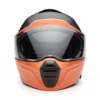
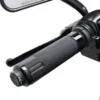
Harley-Davidson Touring Parts: What Every Long-Distance Rider Needs Long-distance riding demands more than a powerful motorcycle. The right Harley-Davidson touring parts can make every mile more comfortable, practical, and enjoyable. From luggage and audio upgrades to heated grips, helmets, and performance components, the right equipment helps your Harley handle extended rides with confidence. Whether you ride a Road Glide, Street Glide, Electra Glide, Road King, or another touring model, choosing compatible Harley motorcycle parts is essential. Quality components improve comfort, storage, protection, and performance while helping you get more from every trip. Why Choose the Right Harley-Davidson Touring Parts? Touring puts different demands on a motorcycle than short daily rides. Long hours in the saddle, changing weather, additional luggage, and extended highway speeds all make equipment selection important. The best Harley touring parts should fit your motorcycle correctly and support the way you ride. Genuine and high-quality aftermarket components can provide useful upgrades without compromising the overall riding experience. Before buying, check your motorcycle’s model year, exact model, fitment information, and part number. This simple step helps prevent compatibility problems. Essential Harley-Davidson Touring Parts and Accessories Harley Saddlebags for Extra Storage Storage is one of the most important considerations for long-distance riders. Harley saddlebags provide space for clothing, tools, electronics, riding gear, and other travel essentials. When selecting saddlebags, consider capacity, mounting compatibility, construction, weather resistance, and accessibility. Riders looking for an OEM-style setup may prefer OEM Harley saddlebags, while aftermarket options can provide additional styles, features, and customization choices. Good luggage should remain secure during highway riding and provide convenient access when you stop. Touring Audio and Harley Speakers Music and entertainment can make long highway journeys more enjoyable. Upgrading the motorcycle’s audio system with quality Harley speakers can improve sound clarity and volume while riding. For riders looking for more powerful audio, Harley Stage 3 speakers and compatible premium audio components can provide a substantial upgrade over basic factory systems. Always verify speaker size, mounting requirements, amplifier compatibility, and motorcycle fitment before purchasing an audio upgrade. Heated Grips for Cold Weather Riding Cold hands can quickly make a long ride uncomfortable. Switchback heated grips provide riders with an option for maintaining hand comfort when temperatures drop. Heated grips are especially useful for early-morning departures, winter touring, and rides through changing climates. Look for a system designed for your Harley model and confirm electrical compatibility before installation. Motorcycle Camera Systems A motorcycle camera system can add another layer of awareness and documentation to long-distance riding. Cameras can record scenic routes, memorable trips, and important moments on the road. When choosing a camera system, consider video quality, mounting options, storage capacity, power requirements, weather resistance, and ease of use. Modular Helmets for Touring A comfortable helmet becomes even more important during extended rides. Modular helmets offer a practical combination of protection and convenience for touring riders. Options such as the HD H31 helmet and H-D EVO X17 sun shield modular helmet are examples of touring-oriented helmet options to consider based on your riding requirements. Always select the correct size and verify that the helmet meets applicable safety standards before riding. Performance Parts for Harley Touring Upgrades Touring upgrades are not limited to comfort and convenience. Performance components can also help riders build a motorcycle that better matches their riding style. Harley-Davidson performance upgrades can include air cleaners, exhaust components, engine upgrades, suspension components, and other performance-focused parts. For riders seeking significant engine performance, products such as a Screamin’ Eagle 135 kit can be part of a larger performance build when compatible with the motorcycle. Performance modifications should always match the motorcycle’s specifications and intended use. Installation requirements, tuning, and local regulations should also be considered. Road Glide Accessories for Long-Distance Riding Road Glide owners have a wide range of options when planning a touring-focused build. The best Road Glide accessories depend on whether your priority is comfort, storage, audio, protection, technology, or performance. Popular upgrades can include luggage solutions, audio systems, heated grips, cameras, protective components, and other Harley-Davidson motorcycle accessories. If you are building a Road Glide specifically for long-distance travel, start with the upgrades that solve your biggest riding needs rather than purchasing accessories simply because they are popular. Genuine Harley-Davidson Parts vs. Aftermarket Touring Parts When shopping for Harley-Davidson parts, riders often choose between genuine OEM components and aftermarket alternatives. Genuine Harley-Davidson parts are designed for specific motorcycles and can be a strong choice when factory fitment and compatibility are the priority. Aftermarket parts can provide additional designs, features, and customization options. The right choice depends on the component, your motorcycle, your budget, and your intended use. Always check detailed product specifications before ordering. How to Choose the Best Parts for Harley Touring Upgrades Before purchasing touring equipment, use a simple checklist: Confirm your motorcycle: Check the exact model and model year. Check fitment: Make sure the part is designed for your motorcycle. Compare specifications: Review dimensions, materials, features, and installation requirements. Consider your riding style: Prioritize the components that improve your actual riding experience. Review compatibility: Audio, electrical, luggage, and performance components may require additional parts. Choose quality: Look for reliable OEM or high-quality aftermarket components. Check installation: Determine whether professional installation or additional tools are required. Build Your Harley for Long-Distance Adventures The best touring setup does not have to include every available accessory. Start with the components that provide the greatest benefit for your riding style. A practical combination of Harley touring parts can include reliable saddlebags for storage, upgraded audio for entertainment, heated grips for comfort, a quality modular helmet for protection, and a motorcycle camera system for added technology. From there, you can add performance upgrades and other Harley-Davidson accessories as your needs evolve. Shop Harley-Davidson Touring Parts and Accessories Finding the right parts is easier when you shop with fitment and quality in mind. Whether you need Harley-Davidson parts online, touring accessories, saddlebags, audio upgrades, replacement components, or performance parts, choose products that match your motorcycle and riding goals. Explore
How to Find the Right Harley-Davidson Replacement Parts Finding the correct replacement component is essential when maintaining or repairing a Harley-Davidson motorcycle. With thousands of Harley-Davidson replacement parts available online, choosing the right product requires more than simply searching for a part that looks similar to the original. Your motorcycle’s year, model, engine configuration, part number, and intended application can all affect compatibility. Whether you’re replacing a worn component or restoring your motorcycle, taking the time to identify the correct part can help prevent installation problems and unnecessary returns. This guide explains how to find the right Harley motorcycle parts, what information to check before ordering, and how to shop for replacement components online. Why Choosing the Right Harley Replacement Part Matters Motorcycle components are designed for specific applications. A part that fits one Harley-Davidson model may not necessarily fit another model or model year. This is particularly important with electrical components, engine parts, motorcycle audio, saddlebags, lighting, controls, and other model-specific accessories. Choosing the correct Harley-Davidson parts helps ensure that the component is appropriate for your motorcycle and the job you’re performing. Start With Your Harley-Davidson Model and Year The first step when searching for Harley parts online is identifying your motorcycle precisely. Record the following information: Model year Harley-Davidson model Engine configuration Trim or specific model variant Existing part number Any relevant factory or aftermarket modifications For example, a Road Glide, Street Glide, and other Touring models can have different components even when products appear similar. Providing the exact motorcycle information makes it easier to narrow down compatible Harley motorcycle parts. Check the Original Part Number One of the easiest ways to identify a replacement component is by checking the number printed, stamped, or otherwise marked on the original part. Part numbers can help distinguish between components that look almost identical but are designed for different applications. When shopping for Harley-Davidson replacement parts, compare the original part number with the product information provided by the retailer whenever possible. If you’re unable to locate a part number, use the exact motorcycle year and model to search for the appropriate component. OEM Harley Parts vs Replacement Alternatives When replacing a motorcycle component, you may encounter both OEM and aftermarket options. OEM Harley parts are designed for specific applications and can be a suitable choice for riders who want to maintain an original configuration. Aftermarket replacement parts provide additional options and may offer different designs, materials, features, or customization possibilities. The right option depends on the component, your motorcycle, your budget, and your reason for replacing the part. Popular Harley-Davidson Replacement Parts Harley riders replace many different types of components over the life of a motorcycle. Some categories are particularly popular among riders maintaining or upgrading their bikes. Harley Performance Parts Performance-focused riders may replace or upgrade air cleaners, engine components, exhaust-related parts, and other performance products. If you’re installing multiple performance components, make sure the products are designed to work together and are compatible with your motorcycle. Harley Saddlebags Harley saddlebags are common upgrades and replacement items, especially for touring motorcycles. When selecting replacement saddlebags, check mounting points, dimensions, hardware requirements, motorcycle compatibility, and storage capacity. Harley Audio and Speakers Motorcycle audio components can also require replacement or upgrading over time. Speakers, amplifiers, head units, and related components can have model-specific installation requirements. If you’re searching for Harley speakers or audio replacement parts, verify the motorcycle’s existing audio configuration before ordering. Heated Grips Heated grips can be replaced when existing grips become damaged or when a rider wants to upgrade the motorcycle’s comfort features. Products such as Switchback heated grips should be checked carefully for model compatibility and electrical requirements before installation. Harley Helmets and Riding Equipment Replacement doesn’t only apply to mechanical components. Riders may also replace helmets, protective equipment, and other riding accessories. When choosing a helmet, focus on proper fit, appropriate certification, visibility, ventilation, and the features required for your riding style. How to Search for Harley Parts Online Search engines make it easy to find thousands of Harley parts online, but broad searches can sometimes return products that aren’t compatible with your motorcycle. Instead of searching only for a general phrase such as “Harley parts,” include specific information in your search. For example, you can search using: Harley-Davidson model and year Specific component name Part number Motorcycle model and component type OEM part number This approach can make it easier to find the right product and reduce the number of incompatible results. Look for Detailed Product Information A reliable online parts store should provide useful information about each product. Before purchasing, review the product title, description, specifications, compatibility information, and installation requirements. For Harley-Davidson parts online, useful product information can include: Compatible motorcycle models Applicable model years Part numbers Product dimensions Material and construction Installation requirements Included hardware Warranty information when available The more information available, the easier it becomes to determine whether a product is suitable for your motorcycle. Be Careful With Similar-Looking Parts One of the most common mistakes when purchasing Harley replacement parts is assuming that two similar-looking products are interchangeable. Small differences in mounting points, dimensions, wiring, connectors, or specifications can make a component incompatible. This is why part numbers and application information are so valuable when shopping for motorcycle replacement parts. Replacing Harley Parts During a Custom Build Replacement parts can also be part of a larger customization project. Riders may replace several components when creating a personalized touring, performance, or audio setup. For example, a rider might combine: Performance upgrades Upgraded air cleaners Motorcycle audio New speakers Heated grips New saddlebags Lighting upgrades Motorcycle camera systems When combining multiple upgrades, compatibility between the components becomes even more important. Harley-Davidson Replacement Parts for Touring Models Touring motorcycles often use specialized accessories and components designed for long-distance riding. Riders may look for replacement or upgrade options for saddlebags, audio systems, grips, lighting, cameras, comfort components, and other touring accessories. If you’re maintaining a Touring motorcycle, always verify that replacement products are