OEM vs Aftermarket Harley Saddlebags: Which Should You Buy?
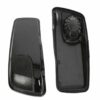
OEM vs Aftermarket Harley Saddlebags: Which Should You Buy? Saddlebags aren’t just accessories on a Harley-Davidson — they’re part of the riding lifestyle. Whether you’re commuting, touring cross-country, or just keeping your gear secure, the right set of saddlebags can completely transform how you ride. But one question comes up again and again for Harley owners: Should you buy OEM Harley saddlebags or aftermarket alternatives? On the surface, the choice looks simple: OEM costs more, aftermarket costs less. In reality, the decision is far more nuanced. Fitment, durability, weather protection, resale value, security, and even riding comfort all depend on whether you choose OEM Harley Davidson saddle bags or go aftermarket. In this guide, we’ll break it all down — honestly and practically — so you can decide which option truly fits your bike, your budget, and your riding style. Why Saddlebags Matter More Than You Think Many riders treat saddlebags as an afterthought. That’s a mistake. A good set of Harley-Davidson saddlebags affects: Weight distribution Bike handling Long-distance comfort Storage security Weather resistance Visual balance of your Harley Poorly designed saddlebags can: Rub against exhausts Shift at highway speeds Leak in the rain Damage paint or fenders Look completely out of place That’s why choosing between OEM and aftermarket deserves careful thought. What Are OEM Harley Saddlebags? OEM (Original Equipment Manufacturer) Harley saddlebags are designed and approved by Harley-Davidson specifically for their motorcycles. These are the same standards used on factory-equipped touring bikes. Key Characteristics of OEM Harley-Davidson Saddlebags Designed for specific Harley models and years Factory-grade materials and finishes Perfect alignment with mounting points Seamless integration with exhaust, lighting, and turn signals Often lockable and keyed to the bike Backed by Harley engineering standards OEM saddlebags are not universal — and that’s intentional. What Are Aftermarket Harley Saddlebags? Aftermarket saddlebags are produced by third-party manufacturers. They range widely in price, quality, and design. Common Types of Aftermarket Saddlebags Universal throw-over saddlebags Bolt-on hard cases Soft leather or textile bags Budget ABS hard bags Some aftermarket brands are excellent. Others… not so much. The challenge is separating quality options from compromises. OEM Harley Saddlebags: Pros & Cons Let’s start with OEM, because this is where many serious riders end up — even if they don’t start here. ✅ Pros of OEM Harley Saddlebags 1. Perfect Fitment OEM saddlebags are built for specific Harley-Davidson models and years. That means: No drilling No shimming No guesswork Everything lines up exactly as intended. 2. Superior Weather Protection OEM hard saddlebags are engineered to: Seal tightly Handle sustained rain Resist warping and cracking For touring riders, this alone can justify the cost. 3. Integrated Locking & Security Most OEM Harley saddlebags: Lock securely Can be keyed to your ignition Deter theft far better than soft bags That peace of mind matters on long trips. 4. OEM Quality & Finish Paint match, texture, hinges, latches — OEM bags simply feel solid. They look like part of the bike, not an add-on. 5. Resale Value Harleys with OEM accessories typically: Sell faster Command higher prices Appeal to more buyers OEM saddlebags are an investment, not just a purchase. ❌ Cons of OEM Harley Saddlebags 1. Higher Price There’s no sugarcoating it. OEM saddlebags cost more upfront. But price and value are not the same thing. 2. Less Custom Styling Variety OEM designs are refined and conservative. Riders seeking extreme customization may prefer aftermarket aesthetics. Aftermarket Harley Saddlebags: Pros & Cons Aftermarket options attract riders for good reasons — but there are trade-offs. ✅ Pros of Aftermarket Saddlebags 1. Lower Initial Cost Aftermarket saddlebags can cost significantly less than OEM options, especially soft bags. 2. Wide Style Selection You’ll find: Vintage leather looks Aggressive hard bag designs Minimalist throw-over styles Customization lovers often start here. 3. Universal Compatibility Some aftermarket saddlebags can be moved between bikes — appealing if you switch models often. ❌ Cons of Aftermarket Saddlebags 1. Fitment Issues This is the biggest complaint: Bags sit crooked Exhaust clearance issues Turn signal interference Rubbing on paint or fenders Universal fit often means compromised fit. 2. Inconsistent Weather Protection Many aftermarket saddlebags: Leak in heavy rain Use low-grade seals Warp over time 3. Security Limitations Soft bags and budget hard bags: Are easier to cut or pry open Often lack proper locking systems 4. Durability Varies Widely Quality depends entirely on the brand — and some corners get cut fast. OEM vs Aftermarket: Side-by-Side Comparison Feature OEM Harley Saddlebags Aftermarket Saddlebags Fitment Model-specific Often universal Weather resistance Excellent Varies Security High Low to medium Installation Plug-and-play May require mods Finish quality Factory-grade Inconsistent Resale value High Low to moderate Cost Higher upfront Lower upfront Which Saddlebags Are Best for Touring Riders? If you ride: Long distances In varying weather With valuable gear Then OEM Harley-Davidson saddlebags are usually the better choice. Touring bikes like: Street Glide Road Glide Road King …are designed around OEM luggage systems. OEM saddlebags maintain: Proper weight distribution High-speed stability Comfort on multi-day rides What About Cruisers & Softails? Cruiser riders often value: Style Flexibility Occasional storage Here, the choice becomes more personal. Good Aftermarket Use Cases Throw-over saddlebags for weekend rides Lightweight soft bags Temporary storage needs When OEM Still Wins Daily riding Commuting Long-term durability Protecting paint and resale value OEM Harley Saddlebags and Compatibility One underrated advantage of OEM saddlebags is system compatibility. They’re designed to work with: Harley exhaust systems Passenger backrests Tour packs Lighting kits Security systems Aftermarket bags can interfere with these upgrades — sometimes requiring additional parts or compromises. Are OEM Harley Saddlebags Worth the Money? Here’s the honest answer: Yes — if you plan to keep your bike, ride it often, or tour seriously. OEM saddlebags: Last longer Protect your gear better Preserve your bike’s value Save you from fitment headaches Many riders who start with aftermarket eventually upgrade to OEM — spending more in the long run. How to Choose the Right Saddlebags for Your Harley Davidson motorcycle Ask yourself these
OEM vs Aftermarket Harley Parts: What’s the Difference and Why It Matters
OEM vs Aftermarket Harley-Davidson Parts When it comes to maintaining, repairing, or upgrading your Harley-Davidson, one question comes up again and again: Should you choose OEM parts or aftermarket parts? For many riders, the decision goes beyond price. It’s about safety, performance, authenticity, resale value, and long-term reliability. At Hog Heaven (HDMotorPartsStore.com), we speak with Harley owners every day—and riders who choose wrong once often don’t make the same mistake twice. This in-depth guide breaks down the real differences between OEM and aftermarket motorcycle parts, explains why Harley-Davidson OEM parts matter, and helps you make the smartest decision for your bike and your riding style. What Are OEM Harley-Davidson Parts? OEM (Original Equipment Manufacturer) Harley-Davidson parts are components designed, engineered, and approved by Harley-Davidson or its authorized manufacturing partners. In simple terms, these are the exact same parts your motorcycle was built with at the factory. When riders talk about: Harley-Davidson OEM parts OEM Harley-Davidson parts OEM Harley parts HD OEM parts Harley-Davidson original parts They’re all referring to components that meet Harley’s factory specifications, tolerances, materials, and testing standards. What Makes OEM Harley Parts Different? OEM parts are developed with your specific model, engine, year, and riding conditions in mind. That means: Guaranteed fitment (no drilling, trimming, or guessing) Factory-tested durability Exact material quality and finish Compatibility with other OEM systems Warranty protection in many cases When you buy genuine Harley-Davidson parts, you’re not just buying a component—you’re buying engineering consistency and peace of mind. What Are Aftermarket Harley Parts? Aftermarket Harley parts are produced by third-party manufacturers that are not affiliated with Harley-Davidson. Some aftermarket brands focus on performance or customization, while others focus on lower price points. However, most aftermarket parts are reverse-engineered, not factory-designed. Common Characteristics of Aftermarket Parts Fitment may vary between models or years Some require modification during installation Quality can range from excellent to poor Finishes may fade, chip, or corrode faster Limited or no warranty support While certain aftermarket brands have earned trust over time, many others prioritize cost savings over engineering precision, which can impact safety, longevity, and resale value. Key Differences Between OEM and Aftermarket Harley Parts Feature OEM Harley-Davidson Parts Aftermarket Parts Fitment Perfect, model-specific Often requires adjustment Quality Control Factory tested & certified Varies by brand Materials OEM-grade metals & finishes Inconsistent Warranty Harley-backed (many parts) Limited or none Performance Matches factory specs May alter handling Longevity Built for long-term use Often wears faster Resale Value Maintains or increases Can reduce value This table alone explains why experienced riders lean toward OEM Harley-Davidson original parts, especially for critical components. Why Harley-Davidson OEM Parts Are Worth It 1. Safety Comes First OEM Harley parts are engineered for exact torque values, tolerances, and stress loads. This matters most for: Brakes Suspension Axles & fasteners Wheels & driveline components Using non-OEM parts in these areas can lead to vibration, imbalance, or premature failure. 2. Consistent Performance Harley motorcycles are built as complete systems. Changing one part affects airflow, weight distribution, and handling. OEM Harley-Davidson parts ensure your bike performs exactly as designed, whether you’re cruising highways or touring long distances. 3. Factory Fit & Finish Aesthetics matter to Harley riders. Genuine HD parts match: Paint codes Chrome quality Powder coating Design lines Aftermarket finishes often fade or discolor faster—especially under heat and weather exposure. 4. Long-Term Value & Resale Motorcycles with Harley-Davidson original parts consistently sell faster and for higher prices. Buyers trust OEM components because they signal: Proper maintenance No shortcuts taken Better reliability When Aftermarket Parts Might Make Sense To be fair, aftermarket parts aren’t always bad. They may be useful when: Custom aesthetics matter more than originality Performance tuning goes beyond factory specs OEM options aren’t available for older models However, even in these cases, many riders still rely on OEM Harley parts for core systems while using aftermarket parts selectively. Genuine Harley-Davidson Parts Riders Upgrade Most Some components are worth upgrading using OEM Harley-Davidson parts every time. Popular Genuine OEM Upgrades OEM Saddlebags & Luggage – Perfect fit, weather sealing, factory locks Air Cleaners & Intake Systems – Balanced airflow and reliability Brake Components – Designed for weight and stopping power Lighting & Electrical Components – Plug-and-play reliability Genuine OEM Harley Davidson Saddlebags (Rider-Favorite) Harley-Davidson H-D Detachables Locking Saddlebags FXLRST Saddlebags Vivid Black Harley-Davidson Aluminum Side Cases Harley-Davidson Throw-Over Saddlebags Each of these options reflects why OEM Harley-Davidson parts outperform aftermarket alternatives in durability and fitment. OEM vs Aftermarket: Which Is Better for Touring Riders? For touring riders, the answer is clear. Long-distance riding demands: Reliability Weather resistance Structural integrity That’s why most touring riders stick with HD OEM parts, especially for luggage, suspension, braking, and electrical components. A failure 500 miles from home isn’t just inconvenient—it’s expensive and dangerous. How to Spot Genuine Harley-Davidson Parts Online With counterfeit and low-quality replicas flooding the market, knowing how to identify genuine Harley-Davidson parts is critical. Signs You’re Buying Genuine HD Parts Official Harley-Davidson part numbers OEM packaging and labeling Verified fitment by model/year Trusted retailers (like HDMotorPartsStore.com) If the price looks too good to be true, it usually is. Why Buy OEM Harley Parts from Hog Heaven? At Hog Heaven, we specialize exclusively in OEM Harley-Davidson parts. What Sets Us Apart 100% genuine HD parts only Verified model-specific fitment Fast, secure shipping Expert Harley-focused support Whether you’re searching for OEM Harley parts, Harley-Davidson original parts, or HD OEM parts, you’ll find exactly what your bike deserves. Frequently Asked Questions (FAQ) Are OEM Harley-Davidson parts better than aftermarket? Yes. OEM parts are engineered specifically for Harley-Davidson motorcycles and offer superior fitment, safety, and reliability compared to most aftermarket alternatives. Are OEM and genuine Harley parts the same? Yes. OEM Harley-Davidson parts, genuine HD parts, and Harley-Davidson original parts all refer to factory-approved components. Do aftermarket parts void a Harley warranty? Some aftermarket parts can affect warranty coverage, especially if they cause related failures. OEM parts are always the safest choice. Why are OEM Harley parts more expensive? You’re