How to Choose Harley-Davidson Saddlebags for Your Motorcycle
How to Choose Harley-Davidson Saddlebags for Your motorcycle Choosing the right Harley-Davidson saddlebags depends on more than appearance. The right bags should fit your motorcycle, provide enough storage, match your riding style, and work with your existing accessories and mounting system. Whether you ride a Road Glide, Street Glide, Softail, or another Harley-Davidson model, checking fitment and storage needs before you buy can help you avoid compatibility problems. 1. Start With Your Harley-Davidson Model The first step is identifying your exact Harley-Davidson motorcycle. Saddlebag mounting systems, dimensions, brackets, exhaust clearance, and other components can vary between models and model years. Before purchasing, confirm your motorcycle’s: Model Model year Trim or specific configuration Saddlebag mounting system Existing accessories that may affect fitment Do not assume that a saddlebag designed for one Harley model will automatically fit another. Always check the manufacturer’s fitment information before ordering. 2. Decide How Much Storage You Need Your riding habits should determine the amount of storage you need. A rider who mainly takes short local trips may need less capacity than someone who regularly travels long distances. For Daily Riding Compact Harley motorcycle bags can provide enough room for tools, personal items, rain gear, and other everyday essentials without adding unnecessary bulk. For Touring Long-distance riders typically benefit from larger saddlebags with enough space for clothing, riding gear, maintenance supplies, and travel essentials. If you frequently travel with your Harley, consider storage capacity before choosing a style based only on appearance. 3. Check Saddlebag Fitment Carefully Fitment is one of the most important factors when buying Harley saddlebags. A bag can look perfect for your motorcycle but still require different brackets, hardware, or additional modifications. Check whether the saddlebag is designed for your exact model and year. Also look for requirements involving: Mounting hardware Turn-signal relocation License plate relocation Exhaust clearance Fender clearance Existing racks or guards For example, some quick-release saddlebag applications may require additional changes depending on the motorcycle configuration. Checking fitment before purchase helps prevent installation surprises. 4. Choose Between OEM and Aftermarket Saddlebags One of the biggest decisions is whether to choose genuine Harley-Davidson saddlebags or a high-quality aftermarket option. OEM Harley-Davidson Saddlebags OEM Harley saddlebags are designed around specific Harley-Davidson applications and can be an excellent choice when factory-style fit, appearance, and compatibility are priorities. They are particularly useful for riders who want their motorcycle to maintain a factory-oriented appearance. Aftermarket Harley Saddlebags High-quality aftermarket saddlebags can provide additional styles, materials, storage configurations, and price options. Some riders choose aftermarket bags when they want a specific look or feature that is not available from the factory. The important factor is quality and verified compatibility. A lower price does not always mean better value if installation requires additional parts or modifications. 5. Consider the Mounting System The mounting system affects how easily you can install, remove, and secure your saddlebags. Quick-Release Saddlebags Quick-release designs are useful for riders who want to remove their bags when they do not need additional storage. They can also make cleaning and maintenance easier. Fixed-Mount Saddlebags Fixed mounting provides a more permanent storage solution. This can make sense for touring motorcycles that carry luggage regularly. Before buying, confirm which mounting hardware comes with the saddlebag and whether your motorcycle needs additional brackets or installation components. 6. Choose the Right Material Saddlebag materials influence appearance, durability, weight, maintenance, and weather resistance. Hard Saddlebags Hard saddlebags provide a structured storage area and can offer a clean, integrated appearance. They are a popular option for touring motorcycles and riders who regularly carry larger loads. Leather Saddlebags Harley-Davidson leather saddlebags offer a classic motorcycle appearance and can complement traditional Harley styling. Leather requires more care than many synthetic materials, so consider your willingness to maintain it. Textile and Synthetic Options Synthetic saddlebag materials can offer flexibility and practical everyday storage. Depending on construction, they may also provide useful resistance to moisture and road conditions. 7. Think About Weather Protection If you ride throughout the year, weather protection should be part of your buying decision. Consider whether the saddlebag provides: Weather-resistant construction Sealed or protected closures Water-resistant liners Secure fastening Protection for sensitive cargo Even weather-resistant saddlebags should not be treated as completely waterproof unless the manufacturer specifically states that they are. 8. Consider Security Riders who leave luggage on their motorcycles should also consider how securely the saddlebags attach to the bike. Lockable hard saddlebags can provide an advantage when you need to secure personal belongings during stops. Quick-release bags should also have a reliable attachment system that prevents unwanted movement while riding. 9. Check Clearance Around the Motorcycle Before installing larger Harley Davidson saddlebags, check the available clearance around the rear of the motorcycle. The bags should not interfere with: Exhaust components Rear suspension movement Turn signals Passenger foot controls License plates Other installed accessories Proper clearance helps maintain safe operation and prevents contact between the bags and motorcycle components. 10. Consider Saddlebag Guards Saddlebag guards can provide additional protection around the lower and outer areas of the bags. They can also complement the appearance of touring motorcycles. If you are upgrading your luggage setup, consider whether Harley-Davidson Black Saddlebag Guards are compatible with your motorcycle. 11. Think About Your Riding Style The best saddlebag is the one that matches how you actually use your Harley. Riding Style What to Prioritize Daily commuting Practical capacity and easy access Weekend rides Moderate storage and easy installation Long-distance touring Large capacity, durability, security, and weather protection Custom builds Style, dimensions, and mounting compatibility Occasional luggage use Quick-release functionality 12. Match the Saddlebags to Your Motorcycle’s Style Function matters, but appearance also plays a major role. Your saddlebags should complement the lines and styling of your motorcycle. Touring riders may prefer integrated hard bags, while custom Harley builds may benefit from leather or specialized aftermarket designs. When comparing options, look at the shape, finish, mounting position, and overall proportions of the bags rather than focusing only on storage capacity. 13. Check Installation
Harley Saddlebags Buying Guide; Sizes, Styles & Compatibility
Harley Saddlebags Buying Guide Choosing the right Harley saddlebags is about more than finding a bag that looks good on your motorcycle. The right setup needs to provide enough storage, fit your Harley-Davidson model correctly, work with the motorcycle’s mounting system, and suit the way you ride. With options ranging from OEM hard bags and quick-release systems to leather and aftermarket luggage, knowing what to look for can make the buying process much easier. This Harley saddlebags buying guide explains the most important factors to consider, including saddlebag sizes, styles, materials, mounting systems, compatibility, storage capacity, and touring requirements. What Are Harley Saddlebags? Harley saddlebags are storage compartments mounted on the sides of a motorcycle. They provide convenient space for tools, clothing, rain gear, electronics, personal belongings, and other riding essentials. For touring riders, Harley Davidson motorcycle bags can become an essential part of the motorcycle because they allow riders to carry equipment without relying entirely on a backpack. Depending on the motorcycle and application, riders can choose from hard saddlebags, soft bags, leather saddlebags, quick-release designs, and other specialized luggage systems. Why Saddlebag Size Matters Saddlebag capacity should match how you use your motorcycle. A commuter who carries only a few essentials has different requirements from someone taking a week-long touring trip. Before buying Harley Davidson saddlebags, consider what you normally need to carry. Daily riding essentials Tools and emergency equipment Rain gear Extra clothing Electronics Personal items Camping or touring equipment More capacity is useful, but bigger is not always better. Oversized bags can change the motorcycle’s appearance and may add unnecessary weight. Common Harley Saddlebag Styles Hard Saddlebags Hard saddlebags are among the most popular options for touring motorcycles. Their rigid construction provides a structured storage area and can offer additional protection for the items inside. They are particularly suitable for riders who regularly take long-distance trips and need dependable storage. Many factory touring motorcycles use hard luggage because it integrates well with the overall motorcycle design. Soft Saddlebags Soft saddlebags provide a flexible alternative to rigid luggage. They can be lightweight, adaptable, and convenient for riders who want additional storage without a permanent hard-bag setup. Soft bags can work well for everyday riding, weekend trips, and certain custom motorcycle builds. However, they may provide less structural protection than hard saddlebags, so consider the type of equipment you intend to carry. Leather Saddlebags Harley Davidson leather saddlebags remain popular because they complement the traditional styling of many Harley motorcycles. Leather can provide a classic appearance that works particularly well with custom and cruiser builds. However, leather requires appropriate care and protection from prolonged exposure to moisture. Quick-Release Saddlebags Quick-release saddlebags are designed for riders who want to remove their luggage when it is not needed. This can be useful for motorcycles that switch between everyday riding and touring. A removable system can also make it easier to carry your belongings away from the motorcycle. For example, the Harley-Davidson Defender Quick-Release Saddlebags provide a quick-release option for compatible applications. OEM Harley Saddlebags vs Aftermarket Options One of the first decisions you’ll need to make is whether to purchase OEM or aftermarket luggage. OEM Harley saddlebags are designed for specific Harley-Davidson applications and are a strong choice for riders who prioritize factory-style fitment and appearance. Aftermarket saddlebags provide more variety in materials, shapes, capacity, mounting systems, and price points. Neither option is automatically better. The right choice depends on your motorcycle and requirements. For a detailed comparison, read our article on Harley-Davidson saddlebags: OEM vs aftermarket options. How to Check Harley Saddlebag Compatibility Compatibility is one of the most important considerations when purchasing motorcycle luggage. Check the Motorcycle Model Start by identifying the exact Harley-Davidson model. A saddlebag designed for one model may not fit another without additional components or modifications. Check the Model Year Model-year differences can affect mounting points, brackets, bodywork, exhaust positioning, and other components. Always check the manufacturer’s fitment information for your exact motorcycle. Check the Mounting Hardware Some saddlebags require specific mounting brackets, docking hardware, support systems, or other components. Don’t assume the mounting hardware included with one saddlebag will work with every Harley-Davidson motorcycle. Check Exhaust Clearance Make sure the saddlebag provides adequate clearance from the exhaust system. Heat exposure can damage luggage and its contents when the correct clearance is not maintained. Check Turn-Signal Clearance Some saddlebag installations may interact with the position of the motorcycle’s turn signals. Check the complete installation requirements before purchasing. How Much Storage Do You Need? The correct saddlebag capacity depends on your riding habits. For Daily Riding Daily riders may only need enough space for a few essentials such as tools, gloves, rain gear, and personal belongings. A compact saddlebag can provide useful storage without making the motorcycle appear unnecessarily large. For Weekend Trips Weekend trips generally require additional space for clothing and personal items. Medium-capacity saddlebags combined with other luggage can provide a practical setup. For Long-Distance Touring Long-distance riders typically benefit from larger-capacity saddlebags. Clothing, tools, electronics, rain gear, and other travel equipment can quickly fill smaller bags. For extended touring, consider the entire luggage system rather than evaluating the saddlebags alone. Important Saddlebag Features Weather Resistance Weather resistance is particularly important when riding long distances. Look at the bag’s construction, closure system, seals, liners, and available weather protection. Even weather-resistant luggage may not be completely waterproof, so sensitive electronics and documents should receive additional protection. Security If you carry valuable equipment, consider how securely the saddlebags close and attach to the motorcycle. Lockable luggage can provide additional convenience when stopping during a long ride. Accessibility A saddlebag should be easy to open, load, and access. Think about the items you use most often and whether you can reach them without completely unpacking the bag. Durability Construction quality matters because motorcycle luggage is exposed to vibration, road debris, weather, and repeated use. Choose materials and hardware that match your riding frequency and environment. Saddlebag Weight and Motorcycle Balance Storage capacity is useful, but
Best Saddlebags for Harley Touring Motorcycles
Best Saddlebags for Harley Davidson Touring Motorcycles For long-distance riders, the right saddlebags can make a Harley-Davidson touring motorcycle significantly more practical. Good storage keeps clothing, tools, rain gear, electronics, and everyday essentials organized while allowing you to enjoy longer rides without carrying everything on your back. But with so many Harley Davidson saddlebags available, choosing the right option can be difficult. Different riders need different combinations of storage capacity, durability, security, accessibility, and style. In this guide, we’ll look at the best types of Harley saddlebags for touring motorcycles, what to consider before buying, and how to choose a setup that matches your motorcycle and riding style. Why Saddlebags Matter for Harley Touring Touring motorcycles are built for extended time on the road, and practical storage is an important part of that experience. Harley Davidson motorcycle bags provide dedicated space for items that you may need during a day trip, weekend ride, or cross-country journey. A well-designed saddlebag system can help you: Carry clothing and personal items. Store tools and emergency equipment. Keep rain gear within easy reach. Protect belongings from road conditions. Reduce the need for additional luggage. Keep your motorcycle organized during long-distance travel. For riders upgrading their touring setup, saddlebags should be considered alongside other Harley-Davidson accessories and touring equipment. What Are the Best Saddlebags for Harley Touring? The best saddlebag depends on your motorcycle and how you ride. A rider who regularly takes multi-day trips may need more capacity and weather protection than someone who primarily rides locally. Some of the most useful options include: OEM Harley-Davidson saddlebags Quick-release saddlebags Hard saddlebags Soft touring saddlebags Leather saddlebags Large-capacity touring bags Rather than choosing a saddlebag based only on appearance, consider fitment, capacity, construction, mounting, and security. 1. OEM Harley-Davidson Saddlebags OEM Harley saddlebags are a strong choice for riders who want a factory-oriented appearance and motorcycle-specific fitment. Original equipment options are designed around particular Harley-Davidson motorcycles and can provide a clean, integrated appearance when the correct application is selected. OEM saddlebags are particularly attractive if you’re building a touring motorcycle around genuine Harley-Davidson parts and want your luggage to complement the rest of the motorcycle. Why Choose OEM Saddlebags? Designed for specific Harley-Davidson applications. Factory-style appearance. Integration with compatible mounting systems. Good choice for riders prioritizing fitment. Suitable for factory-oriented motorcycle builds. Always confirm the motorcycle’s year and model before ordering. Harley-Davidson saddlebag fitment can vary between applications. 2. Quick-Release Harley Saddlebags Quick-release saddlebags are useful for riders who want practical storage without permanently leaving the bags installed on the motorcycle. A quick-release system allows the rider to remove the bags when they are not required and reinstall them when preparing for a longer ride. For example, the Harley-Davidson Defender Quick-Release Saddlebags provide a practical option for compatible Softail applications. Before purchasing any quick-release system, check the exact fitment requirements and whether additional mounting components are necessary. 3. Hard Saddlebags for Long-Distance Touring Hard saddlebags are popular among touring riders because they maintain their shape and provide a structured storage compartment. They can be particularly useful when carrying items that need additional protection from pressure or movement. Their rigid construction also gives many touring motorcycles a traditional factory-style appearance. Advantages of Hard Saddlebags Rigid construction. Consistent storage shape. Good organization potential. Suitable for extended touring. Can provide a secure enclosure for personal belongings. If you frequently ride in changing weather conditions, also consider the closure system and weather resistance rather than assuming every hard saddlebag is completely waterproof. 4. Soft Harley Touring Saddlebags Soft saddlebags provide an alternative for riders who prioritize flexibility and lightweight storage. They can work well for riders who want additional luggage without committing to a rigid storage system. Some soft bags can also be removed or adjusted easily between rides. However, soft bags may provide less structural protection than hard saddlebags. Consider the type of items you carry and the conditions in which you normally ride. 5. Harley-Davidson Leather Saddlebags Leather remains a popular choice among Harley riders because of its traditional motorcycle styling. Harley Davidson leather saddlebags can complement classic and custom motorcycle builds while providing useful additional storage. Leather does require appropriate care, particularly when exposed to rain and changing weather. Riders should follow the manufacturer’s recommendations for cleaning, conditioning, and protection. How to Choose Harley Saddlebags for Touring Before purchasing Harley saddlebags for sale, consider several important factors. 1. Check Motorcycle Fitment Fitment should always come first. Check your Harley-Davidson model, model year, mounting configuration, and any other compatibility requirements listed for the saddlebag. A bag that fits one motorcycle may not directly fit another, even when both motorcycles belong to the same general family. 2. Consider Storage Capacity Think about what you actually carry during a typical trip. For weekend touring, moderate-capacity bags may provide sufficient room. Riders taking extended trips may need larger saddlebags or additional luggage. Do not choose capacity based solely on maximum size. Oversized bags can affect the motorcycle’s appearance and may make organization more difficult. 3. Think About Your Riding Distance Your riding habits should influence your choice. For short rides, convenience and easy access may be more important than maximum capacity. For long-distance touring, weather resistance, durability, security, and organization become increasingly important. 4. Check the Mounting System Different Harley motorcycle parts can interact with your saddlebag installation, including mounting brackets, guards, exhaust components, and turn-signal configurations. Check the complete installation requirements before purchasing. 5. Consider Security If you regularly leave personal belongings inside the motorcycle, look for a saddlebag system that provides the level of security you need. Lockable compartments can be particularly useful during touring stops, although riders should avoid leaving valuable items unattended whenever possible. 6. Consider Weather Protection Weather can change quickly during a long motorcycle trip. A good touring setup should account for rain, road spray, and other conditions. Look at the saddlebag’s construction, closure system, seals, and available liners or covers. Sensitive equipment should still be protected with appropriate waterproof storage. OEM Harley
Harley-Davidson Touring Parts: What Every Long-Distance Rider Needs
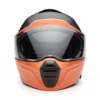
Harley-Davidson Touring Parts: What Every Long-Distance Rider Needs Long-distance riding demands more than a powerful motorcycle. The right Harley-Davidson touring parts can make every mile more comfortable, practical, and enjoyable. From luggage and audio upgrades to heated grips, helmets, and performance components, the right equipment helps your Harley handle extended rides with confidence. Whether you ride a Road Glide, Street Glide, Electra Glide, Road King, or another touring model, choosing compatible Harley motorcycle parts is essential. Quality components improve comfort, storage, protection, and performance while helping you get more from every trip. Why Choose the Right Harley-Davidson Touring Parts? Touring puts different demands on a motorcycle than short daily rides. Long hours in the saddle, changing weather, additional luggage, and extended highway speeds all make equipment selection important. The best Harley touring parts should fit your motorcycle correctly and support the way you ride. Genuine and high-quality aftermarket components can provide useful upgrades without compromising the overall riding experience. Before buying, check your motorcycle’s model year, exact model, fitment information, and part number. This simple step helps prevent compatibility problems. Essential Harley-Davidson Touring Parts and Accessories Harley Saddlebags for Extra Storage Storage is one of the most important considerations for long-distance riders. Harley saddlebags provide space for clothing, tools, electronics, riding gear, and other travel essentials. When selecting saddlebags, consider capacity, mounting compatibility, construction, weather resistance, and accessibility. Riders looking for an OEM-style setup may prefer OEM Harley saddlebags, while aftermarket options can provide additional styles, features, and customization choices. Good luggage should remain secure during highway riding and provide convenient access when you stop. Touring Audio and Harley Speakers Music and entertainment can make long highway journeys more enjoyable. Upgrading the motorcycle’s audio system with quality Harley speakers can improve sound clarity and volume while riding. For riders looking for more powerful audio, Harley Stage 3 speakers and compatible premium audio components can provide a substantial upgrade over basic factory systems. Always verify speaker size, mounting requirements, amplifier compatibility, and motorcycle fitment before purchasing an audio upgrade. Heated Grips for Cold Weather Riding Cold hands can quickly make a long ride uncomfortable. Switchback heated grips provide riders with an option for maintaining hand comfort when temperatures drop. Heated grips are especially useful for early-morning departures, winter touring, and rides through changing climates. Look for a system designed for your Harley model and confirm electrical compatibility before installation. Motorcycle Camera Systems A motorcycle camera system can add another layer of awareness and documentation to long-distance riding. Cameras can record scenic routes, memorable trips, and important moments on the road. When choosing a camera system, consider video quality, mounting options, storage capacity, power requirements, weather resistance, and ease of use. Modular Helmets for Touring A comfortable helmet becomes even more important during extended rides. Modular helmets offer a practical combination of protection and convenience for touring riders. Options such as the HD H31 helmet and H-D EVO X17 sun shield modular helmet are examples of touring-oriented helmet options to consider based on your riding requirements. Always select the correct size and verify that the helmet meets applicable safety standards before riding. Performance Parts for Harley Touring Upgrades Touring upgrades are not limited to comfort and convenience. Performance components can also help riders build a motorcycle that better matches their riding style. Harley-Davidson performance upgrades can include air cleaners, exhaust components, engine upgrades, suspension components, and other performance-focused parts. For riders seeking significant engine performance, products such as a Screamin’ Eagle 135 kit can be part of a larger performance build when compatible with the motorcycle. Performance modifications should always match the motorcycle’s specifications and intended use. Installation requirements, tuning, and local regulations should also be considered. Road Glide Accessories for Long-Distance Riding Road Glide owners have a wide range of options when planning a touring-focused build. The best Road Glide accessories depend on whether your priority is comfort, storage, audio, protection, technology, or performance. Popular upgrades can include luggage solutions, audio systems, heated grips, cameras, protective components, and other Harley-Davidson motorcycle accessories. If you are building a Road Glide specifically for long-distance travel, start with the upgrades that solve your biggest riding needs rather than purchasing accessories simply because they are popular. Genuine Harley-Davidson Parts vs. Aftermarket Touring Parts When shopping for Harley-Davidson parts, riders often choose between genuine OEM components and aftermarket alternatives. Genuine Harley-Davidson parts are designed for specific motorcycles and can be a strong choice when factory fitment and compatibility are the priority. Aftermarket parts can provide additional designs, features, and customization options. The right choice depends on the component, your motorcycle, your budget, and your intended use. Always check detailed product specifications before ordering. How to Choose the Best Parts for Harley Touring Upgrades Before purchasing touring equipment, use a simple checklist: Confirm your motorcycle: Check the exact model and model year. Check fitment: Make sure the part is designed for your motorcycle. Compare specifications: Review dimensions, materials, features, and installation requirements. Consider your riding style: Prioritize the components that improve your actual riding experience. Review compatibility: Audio, electrical, luggage, and performance components may require additional parts. Choose quality: Look for reliable OEM or high-quality aftermarket components. Check installation: Determine whether professional installation or additional tools are required. Build Your Harley for Long-Distance Adventures The best touring setup does not have to include every available accessory. Start with the components that provide the greatest benefit for your riding style. A practical combination of Harley touring parts can include reliable saddlebags for storage, upgraded audio for entertainment, heated grips for comfort, a quality modular helmet for protection, and a motorcycle camera system for added technology. From there, you can add performance upgrades and other Harley-Davidson accessories as your needs evolve. Shop Harley-Davidson Touring Parts and Accessories Finding the right parts is easier when you shop with fitment and quality in mind. Whether you need Harley-Davidson parts online, touring accessories, saddlebags, audio upgrades, replacement components, or performance parts, choose products that match your motorcycle and riding goals. Explore
How to Find the Right Harley-Davidson Replacement Parts
How to Find the Right Harley-Davidson Replacement Parts Finding the correct replacement component is essential when maintaining or repairing a Harley-Davidson motorcycle. With thousands of Harley-Davidson replacement parts available online, choosing the right product requires more than simply searching for a part that looks similar to the original. Your motorcycle’s year, model, engine configuration, part number, and intended application can all affect compatibility. Whether you’re replacing a worn component or restoring your motorcycle, taking the time to identify the correct part can help prevent installation problems and unnecessary returns. This guide explains how to find the right Harley motorcycle parts, what information to check before ordering, and how to shop for replacement components online. Why Choosing the Right Harley Replacement Part Matters Motorcycle components are designed for specific applications. A part that fits one Harley-Davidson model may not necessarily fit another model or model year. This is particularly important with electrical components, engine parts, motorcycle audio, saddlebags, lighting, controls, and other model-specific accessories. Choosing the correct Harley-Davidson parts helps ensure that the component is appropriate for your motorcycle and the job you’re performing. Start With Your Harley-Davidson Model and Year The first step when searching for Harley parts online is identifying your motorcycle precisely. Record the following information: Model year Harley-Davidson model Engine configuration Trim or specific model variant Existing part number Any relevant factory or aftermarket modifications For example, a Road Glide, Street Glide, and other Touring models can have different components even when products appear similar. Providing the exact motorcycle information makes it easier to narrow down compatible Harley motorcycle parts. Check the Original Part Number One of the easiest ways to identify a replacement component is by checking the number printed, stamped, or otherwise marked on the original part. Part numbers can help distinguish between components that look almost identical but are designed for different applications. When shopping for Harley-Davidson replacement parts, compare the original part number with the product information provided by the retailer whenever possible. If you’re unable to locate a part number, use the exact motorcycle year and model to search for the appropriate component. OEM Harley Parts vs Replacement Alternatives When replacing a motorcycle component, you may encounter both OEM and aftermarket options. OEM Harley parts are designed for specific applications and can be a suitable choice for riders who want to maintain an original configuration. Aftermarket replacement parts provide additional options and may offer different designs, materials, features, or customization possibilities. The right option depends on the component, your motorcycle, your budget, and your reason for replacing the part. Popular Harley-Davidson Replacement Parts Harley riders replace many different types of components over the life of a motorcycle. Some categories are particularly popular among riders maintaining or upgrading their bikes. Harley Performance Parts Performance-focused riders may replace or upgrade air cleaners, engine components, exhaust-related parts, and other performance products. If you’re installing multiple performance components, make sure the products are designed to work together and are compatible with your motorcycle. Harley Saddlebags Harley saddlebags are common upgrades and replacement items, especially for touring motorcycles. When selecting replacement saddlebags, check mounting points, dimensions, hardware requirements, motorcycle compatibility, and storage capacity. Harley Audio and Speakers Motorcycle audio components can also require replacement or upgrading over time. Speakers, amplifiers, head units, and related components can have model-specific installation requirements. If you’re searching for Harley speakers or audio replacement parts, verify the motorcycle’s existing audio configuration before ordering. Heated Grips Heated grips can be replaced when existing grips become damaged or when a rider wants to upgrade the motorcycle’s comfort features. Products such as Switchback heated grips should be checked carefully for model compatibility and electrical requirements before installation. Harley Helmets and Riding Equipment Replacement doesn’t only apply to mechanical components. Riders may also replace helmets, protective equipment, and other riding accessories. When choosing a helmet, focus on proper fit, appropriate certification, visibility, ventilation, and the features required for your riding style. How to Search for Harley Parts Online Search engines make it easy to find thousands of Harley parts online, but broad searches can sometimes return products that aren’t compatible with your motorcycle. Instead of searching only for a general phrase such as “Harley parts,” include specific information in your search. For example, you can search using: Harley-Davidson model and year Specific component name Part number Motorcycle model and component type OEM part number This approach can make it easier to find the right product and reduce the number of incompatible results. Look for Detailed Product Information A reliable online parts store should provide useful information about each product. Before purchasing, review the product title, description, specifications, compatibility information, and installation requirements. For Harley-Davidson parts online, useful product information can include: Compatible motorcycle models Applicable model years Part numbers Product dimensions Material and construction Installation requirements Included hardware Warranty information when available The more information available, the easier it becomes to determine whether a product is suitable for your motorcycle. Be Careful With Similar-Looking Parts One of the most common mistakes when purchasing Harley replacement parts is assuming that two similar-looking products are interchangeable. Small differences in mounting points, dimensions, wiring, connectors, or specifications can make a component incompatible. This is why part numbers and application information are so valuable when shopping for motorcycle replacement parts. Replacing Harley Parts During a Custom Build Replacement parts can also be part of a larger customization project. Riders may replace several components when creating a personalized touring, performance, or audio setup. For example, a rider might combine: Performance upgrades Upgraded air cleaners Motorcycle audio New speakers Heated grips New saddlebags Lighting upgrades Motorcycle camera systems When combining multiple upgrades, compatibility between the components becomes even more important. Harley-Davidson Replacement Parts for Touring Models Touring motorcycles often use specialized accessories and components designed for long-distance riding. Riders may look for replacement or upgrade options for saddlebags, audio systems, grips, lighting, cameras, comfort components, and other touring accessories. If you’re maintaining a Touring motorcycle, always verify that replacement products are
Best Harley-Davidson Parts to Upgrade Your Motorcycle in 2026
Best Harley-Davidson Parts to Upgrade Your Motorcycle in 2026 Upgrading a Harley-Davidson motorcycle is one of the best ways to improve its appearance, comfort, performance, and overall riding experience. Whether you ride a Touring, Road Glide, Street Glide, Softail, or another Harley model, choosing the right Harley-Davidson parts can make a noticeable difference. From genuine Harley-Davidson parts and OEM components to performance upgrades, motorcycle audio, saddlebags, lighting, grips, and protective equipment, today’s riders have many options when shopping for Harley motorcycle parts online. In this guide, we’re covering some of the best Harley upgrades worth considering in 2026 and explaining what to look for when choosing parts for your motorcycle. 1. Harley-Davidson Performance Parts Performance upgrades are among the most popular choices for Harley riders who want to get more from their motorcycles. Depending on your model and riding goals, performance parts can include air cleaners, exhaust components, engine upgrades, tuning equipment, and performance kits. A quality Harley-Davidson performance upgrade should be selected according to your motorcycle’s model, engine configuration, and existing modifications. Installing compatible components helps ensure that your upgrades work together properly. For riders looking for significant engine upgrades, performance kits such as the Screamin’ Eagle 135 kit are worth researching. Always verify model compatibility and installation requirements before purchasing performance components. 2. Upgraded Harley Air Cleaners An upgraded air cleaner can be an excellent addition to a Harley-Davidson motorcycle, particularly when combined with other compatible performance modifications. High-quality air cleaner systems are designed to provide efficient airflow while complementing the motorcycle’s engine and overall appearance. Riders considering an air cleaner upgrade should pay attention to compatibility, filtration, construction, and installation requirements. If you’re researching Harley parts for a performance-focused build, an air cleaner can be an important component to consider alongside other engine upgrades. 3. Harley-Davidson Saddlebags For touring and long-distance riders, Harley saddlebags are among the most practical upgrades available. Saddlebags provide additional storage while maintaining the classic appearance of a Harley-Davidson motorcycle. When shopping for Harley-Davidson saddlebags, consider storage capacity, construction, mounting compatibility, weather resistance, and the specific model of your motorcycle. Riders can choose between OEM-style options and aftermarket designs depending on their requirements and budget. If you’re searching for OEM Harley saddlebags, always check the exact part number and motorcycle compatibility before ordering. 4. Harley Audio and Speaker Upgrades Music and entertainment have become an important part of modern motorcycle touring. Upgrading your motorcycle’s audio system can provide a more enjoyable experience during long rides. Harley Stage 3 speakers, upgraded amplifiers, fairing speakers, and other motorcycle audio components can help riders create a more capable sound system. For riders who spend significant time touring, choosing speakers designed specifically for motorcycle environments is important. Motorcycle audio components need to withstand vibration, outdoor conditions, and the noise produced while riding. Another option worth considering is a bedroll speaker for Harley applications. These speakers can provide an additional audio solution while complementing a customized motorcycle setup. 5. Heated Hand Grips Comfort upgrades can make a major difference when riding in colder conditions. Heated grips are particularly useful for riders who frequently travel during cooler mornings, evenings, or extended touring trips. Switchback heated grips are one example of a popular upgrade for Harley riders looking for additional hand comfort. When selecting heated hand grips, check compatibility with your motorcycle and ensure the electrical requirements are suitable for your specific model. For riders searching for Harley Switchback heated grips or switchback heated hand grips, choosing the correct application is essential for a proper installation. 6. Harley-Davidson Modular Helmets A helmet is an essential part of motorcycle riding equipment. Riders who regularly tour may prefer a modular helmet because it combines features associated with full-face and open-face helmet designs. The HD H31 helmet and H-D EVO X17 modular helmet are examples of Harley-Davidson branded helmet options riders may consider when upgrading their riding gear. When choosing a motorcycle helmet, focus on proper fit, certification, ventilation, visibility, construction, and the features that match your riding style. A helmet should always fit securely and comfortably. 7. Motorcycle Camera Systems Motorcycle camera systems are becoming increasingly popular among riders who want to document their journeys or have additional visual awareness while riding. A quality motorcycle camera system can be useful for touring, road trips, and capturing memorable rides. When comparing camera systems, consider video quality, mounting options, storage capacity, weather resistance, field of view, and power requirements. For Harley riders, choosing a camera system designed or tested for motorcycle applications can make installation easier and provide a cleaner overall setup. 8. Road Glide Accessories Road Glide owners have a wide range of accessories available for customization and touring. Popular Road Glide accessories can include audio upgrades, lighting, storage solutions, camera systems, comfort components, and other motorcycle accessories. If you are planning a 2026 Road Glide build, start by identifying how you use your motorcycle. A long-distance touring setup may prioritize storage and comfort, while a performance-focused build may concentrate on engine and handling upgrades. 9. Genuine and OEM Harley-Davidson Parts When replacing an existing component, many riders specifically look for genuine Harley-Davidson parts or Harley-Davidson OEM parts. OEM parts are designed for specific motorcycle applications and can be a practical choice when maintaining an original configuration. Before ordering OEM Harley parts, verify the motorcycle year, model, engine configuration, and part number. This is particularly important when purchasing replacement parts online because similar-looking components may have different applications. Searching for genuine Harley-Davidson parts online can make finding specific components more convenient, but riders should always verify product details and compatibility before completing an order. 10. Harley-Davidson Accessories Not every upgrade needs to focus on performance. Harley-Davidson accessories can help personalize a motorcycle while improving convenience, comfort, storage, or appearance. Popular categories include motorcycle bags, grips, audio equipment, lighting, helmets, cameras, touring accessories, and replacement components. When shopping for Harley parts and accessories, prioritize products that match your motorcycle and your riding requirements rather than choosing an upgrade simply because it looks appealing.
Hard vs Soft Harley Saddlebags: Which One Should You Choose?
🧳 Hard vs Soft Harley Saddlebags: Which One Should You Choose? Choosing between hard vs soft Harley saddlebags is one of the most important decisions riders face when upgrading their motorcycle for storage and touring. While both options serve the same purpose—carrying your gear—they differ significantly in durability, security, price, style, and performance on the road. So which one is right for you? In this guide, we break down the real-world pros and cons, compare both options side-by-side, and help you decide which saddlebags fit your riding style, budget, and Harley model. 🏍️ Why Saddlebags Matter for Harley Riders Saddlebags are more than just storage—they directly impact your comfort, convenience, and touring capability. Whether you’re commuting, cruising, or riding cross-country, the right saddlebags allow you to: Carry essential gear safely Maintain proper weight distribution Ride without bulky backpacks Improve long-distance comfort Enhance your bike’s overall functionality But choosing the wrong type can lead to frustration, poor durability, or even safety issues. 🔍 What Are Hard Harley Saddlebags? Hard saddlebags are rigid storage compartments typically made from ABS plastic, fiberglass, or composite materials. They are commonly found on touring models like Street Glide and Road Glide. ✅ Pros of Hard Saddlebags Excellent weather protection (rain, dust, debris) Lockable for added security Durable and impact-resistant Large storage capacity Ideal for long-distance touring ❌ Cons of Hard Saddlebags Higher cost compared to soft bags More complex installation Heavier than soft saddlebags Less flexible when overpacking 🧳 What Are Soft Harley Saddlebags? Soft saddlebags are typically made from leather, synthetic leather, or textile materials. They offer a classic Harley look and are popular among cruiser and Softail riders. ✅ Pros of Soft Saddlebags Lightweight and flexible More affordable Easy to install and remove Expandable storage capacity Classic Harley aesthetic ❌ Cons of Soft Saddlebags Limited weather resistance Not lockable (low security) Less durable over time Can sag or shift if not mounted properly ⚖️ Hard vs Soft Saddlebags: Side-by-Side Comparison 🔐 Security Hard saddlebags: Lockable and secure Soft saddlebags: Minimal security 👉 Winner: Hard saddlebags 🌧️ Weather Protection Hard: Fully weather-resistant Soft: Water-resistant at best 👉 Winner: Hard saddlebags 💰 Price Hard: Expensive Soft: Budget-friendly 👉 Winner: Soft saddlebags ⚙️ Installation Hard: Requires mounting hardware Soft: Easy, often throw-over style 👉 Winner: Soft saddlebags 🏁 Durability Hard: Long-lasting and rugged Soft: Wears out faster 👉 Winner: Hard saddlebags 🎨 Style Hard: Modern touring look Soft: Classic Harley style 👉 Winner: Depends on preference 🏆 Which Saddlebags Are Best for Touring? If you’re planning long-distance rides, hard saddlebags are the clear winner. They offer: Better protection for your belongings More secure storage Higher capacity Stability at highway speeds Touring riders consistently choose hard saddlebags because they are built for real-world road conditions and extended travel. 🏍️ Which Saddlebags Are Best for Casual Riding? For short rides, city cruising, or weekend trips, soft saddlebags are a great option. They are: Easier to install More affordable Lightweight and flexible If you don’t need heavy-duty storage, soft bags provide excellent value. 🔥 Best Use Cases for Each Type 🧱 Choose Hard Saddlebags If You: Ride long distances frequently Need secure, lockable storage Ride in all weather conditions Own a touring model (Street Glide, Road Glide) Want maximum durability 🧳 Choose Soft Saddlebags If You: Ride occasionally or short distances Want a budget-friendly option Prefer a classic Harley look Own a Softail or cruiser Need easy installation and removal ⚙️ Fitment Matters: Choosing for Your Harley Model Not all saddlebags fit every Harley. Touring Models Best with hard saddlebags OEM mounting systems available Softail Models Compatible with both types Throw-over soft bags are popular Sportster Models Best with lightweight soft saddlebags Always confirm compatibility before buying to avoid fitment issues. ⚠️ Common Mistakes to Avoid Many riders make these mistakes when choosing saddlebags: Buying based on price alone Ignoring bike compatibility Choosing soft bags for long touring Overlooking mounting stability Underestimating storage needs Avoiding these mistakes will save you money and frustration. 💡 Pro Tips for Choosing the Right Saddlebags Choose hard bags for touring, soft for casual riding Consider your riding frequency and distance Check mounting systems before buying Look for weather resistance if you ride often Balance storage needs with bike handling 🏁 Final Verdict: Hard or Soft Saddlebags? Here’s the simple answer: For touring and long rides: Hard saddlebags For casual and budget riding: Soft saddlebags There’s no one-size-fits-all option—your choice depends on how you ride. 🚀 Upgrade Your Harley the Right Way Saddlebags are one of the most impactful upgrades you can make to your Harley. Choosing between hard and soft options comes down to your riding style, budget, and storage needs. If you want maximum durability, security, and touring performance, hard saddlebags are the best investment. If you prefer affordability, flexibility, and classic styling, soft saddlebags are a solid choice. 👉 Explore premium Harley saddlebags at HDmotorpartsstore and find the perfect fit for your ride.
Best Harley Davidson Saddlebags for Touring in 2026
🧳 Best Harley Davidson Saddlebags for Touring in 2026 Touring on a Harley is all about freedom—but without the right storage, that freedom quickly turns into frustration. Whether you’re riding a Street Glide, Road Glide, or Softail, choosing the best Harley Davidson saddlebags for touring in 2026 can dramatically improve your riding experience. From OEM hard saddlebags to extended baggers and throw-over options, today’s market offers more choices than ever. This guide breaks down the best options, key features, pros and cons, and expert buying tips so you can confidently choose the right saddlebags. 🏍️ Why Saddlebags Are Essential for Touring If you’re planning long-distance rides, saddlebags are not optional—they’re essential. High-quality touring saddlebags allow you to: Carry gear, tools, and travel essentials Maintain proper weight distribution for safe riding Ride comfortably without backpacks Protect your belongings from weather and impact Increase your motorcycle’s touring capability Well-designed saddlebags also maintain a streamlined profile that doesn’t negatively affect handling or aerodynamics. 🔥 Types of Harley Davidson Saddlebags (2026 Guide) Understanding the different types will help you choose the best option for your riding style. 🧱 Hard Saddlebags (Best for Touring) Hard saddlebags are the top choice for serious touring riders. Pros: Weatherproof and impact-resistant Lockable for security Large storage capacity Durable for long-distance travel Cons: More expensive Semi-permanent installation Best for: Road Glide, Street Glide, and touring models 🎯 Extended (Stretched) Saddlebags Extended saddlebags combine style with increased storage. Pros: Larger storage capacity Custom bagger aesthetic Better weight distribution Cons: Reduced ground clearance Not ideal for aggressive riding 🧳 Soft / Leather Saddlebags A classic Harley option with a traditional look. Pros: Lightweight Affordable Easy to install Cons: Less weather-resistant Limited security Best for: Softail and cruiser riders 🔄 Throw-Over Saddlebags Simple and flexible for quick setups. Pros: No mounting hardware required Universal fit Easy to remove Cons: Less stable at high speeds Smaller capacity Best for: Casual riders and short trips 🏆 Best Harley Davidson Saddlebags for Touring in 2026 Here are the top-performing options based on real rider needs. 🥇 OEM Harley Touring Saddlebags (Best Overall) OEM saddlebags remain the gold standard. Why they stand out: Perfect factory fitment Designed specifically for Harley models Long-lasting durability Seamless integration 🥈 Aftermarket Hard Saddlebags (Best Value) A strong alternative to OEM. Key features: Pre-drilled for easy installation Affordable pricing Color-matched finishes 🥉 Extended Touring Saddlebags (Best for Long Trips) Perfect for riders who need maximum storage. Benefits: Larger capacity Ideal for multi-day trips Better gear organization 🏁 Throw-Over Saddlebags (Best Budget Option) Ideal for entry-level touring. Why choose them: Low cost Easy installation Flexible usage ⚙️ Key Features to Look for in 2026 Choosing the right saddlebags requires attention to detail. 📦 Storage Capacity Short trips: 20–30L Touring: 40–60L+ 🌧️ Weather Protection Look for: Waterproof materials Sealed lids UV resistance 🔧 Mounting System OEM mounts for stability Quick-release for convenience 🔐 Security Lockable hard bags Reinforced latches 🏍️ Compatibility Always confirm: Model Year Exhaust clearance ⚠️ What to Avoid When Buying Saddlebags Avoid these common mistakes: Cheap materials that crack or fade Poor mounting systems Incorrect fitment for your Harley Low-capacity bags for touring Non-lockable designs 🧠 Real Rider Insights Experienced riders consistently prefer: Hard saddlebags for daily and touring use Extended saddlebags for long-distance storage This reflects real-world performance and reliability. 🏍️ Best Saddlebags by Harley Model Street Glide / Road Glide OEM hard saddlebags Extended saddlebags Softail Models Throw-over saddlebags Compact hard bags Touring Models Large hard saddlebags Lockable systems 💡 Pro Tips for Touring Riders Balance weight evenly Keep essentials accessible Use inner liners Avoid overloading Choose lockable options 🏁 Final Verdict: Which Saddlebags Should You Buy? Your choice depends on your riding style: Best overall: OEM Harley saddlebags Best value: Aftermarket hard bags Best for long trips: Extended saddlebags Best budget: Throw-over saddlebags 🚀 Upgrade Your Touring Experience The right saddlebags will completely transform your Harley. From better storage to improved comfort, this upgrade is essential for any serious rider. Whether you’re commuting or touring across states, investing in high-quality saddlebags ensures you ride further, safer, and more comfortably. 👉 Explore premium Harley Davidson saddlebags at HDmotorpartsstore and upgrade your ride with confidence.
Best Harley Davidson Accessories for Beginners in 2026
Best Harley Davidson Accessories for Beginners in 2026 If you’re new to riding a motorcycle from , one of the most exciting parts of ownership is customization. Harley Davidson motorcycles are designed to be personalized, allowing riders to upgrade performance, comfort, and style to match their riding needs. However, with thousands of available parts and accessories, beginners often wonder where to start. In this 2026 guide from HDMotorPartsStore, we’ll cover the best Harley Davidson accessories for beginners, focusing on upgrades that deliver the biggest improvements without requiring complex installation or advanced mechanical knowledge. Whether you ride a Street Glide, Road Glide, Softail, or Touring model, these beginner-friendly accessories will improve your riding experience immediately. Why Beginners Should Start with Accessories Many new Harley owners assume performance upgrades should come first. However, beginner riders often benefit more from accessories that improve: Comfort Safety Control Storage Riding confidence These improvements make riding easier and more enjoyable while helping new riders build experience. 1. Comfort Seat Upgrade One of the first upgrades beginners should consider is a comfort seat. Why It Matters Stock seats are designed for general riding, but many riders experience discomfort after long rides. Benefits Better lumbar support Reduced fatigue Improved posture Longer riding comfort A comfort seat is one of the easiest ways to improve your riding experience. 2. Saddlebags for Storage New riders often underestimate how useful storage can be. Benefits of Saddlebags Carry personal items Store rain gear Hold tools and essentials Improve touring capability Saddlebags are practical for daily riders and touring enthusiasts. 3. Windshield Upgrade Wind fatigue can make longer rides uncomfortable for beginners. Benefits Reduced wind pressure Better highway comfort Less rider fatigue Improved control Windshields help beginners gain confidence during highway riding. 4. Highway Pegs Highway pegs allow riders to change foot positions. Benefits Improved comfort Reduced leg fatigue Better circulation Increased riding endurance This simple accessory makes long rides more enjoyable. 5. Phone Mount or GPS Holder Navigation is essential for beginner riders. Benefits Easy access to navigation Hands-free riding Reduced distractions Improved safety A phone mount is one of the most useful beginner accessories. 6. LED Lighting Upgrades Visibility is critical for new riders. Benefits Improved night riding Increased visibility to drivers Better road awareness Enhanced safety Lighting upgrades are one of the best beginner safety upgrades. 7. Engine Guard / Crash Bar Safety accessories are important for beginners. Benefits Protects motorcycle Reduces damage in low-speed drops Improves rider confidence Adds mounting options for accessories Crash bars are a popular beginner upgrade. 8. Backrest for Rider Comfort Backrests improve riding comfort. Benefits Better posture Reduced fatigue Improved comfort Increased stability Backrests are especially helpful for longer rides. 9. Floorboards or Foot Peg Upgrades Foot positioning affects rider comfort. Benefits Better stability Reduced fatigue Improved comfort Better control Foot positioning upgrades are beginner-friendly. 10. Performance Air Cleaner (Beginner Performance Upgrade) Performance upgrades don’t need to be complicated. Benefits Better throttle response Improved airflow Increased efficiency Easy installation This is one of the easiest beginner performance upgrades. Best Accessories by Harley Model Street Glide Beginners Best accessories: Comfort seat Windshield Saddlebags Phone mount Road Glide Beginners Best accessories: Comfort seat Lighting upgrade Crash bar Backrest Softail Beginners Best accessories: Saddlebags Comfort seat Highway pegs Lighting upgrades Touring Model Beginners Best accessories: Seat upgrade Storage accessories Wind protection Navigation mount Best Upgrade Order for Beginners Comfort seat Storage upgrade Wind protection Lighting upgrades Safety accessories Performance upgrades This order helps beginners build confidence. Beginner Upgrade Budget Strategy Start small and upgrade gradually. Budget-Friendly First Upgrades Phone mount Highway pegs LED lighting Storage solutions These upgrades deliver immediate value. Common Beginner Mistakes Avoid these mistakes: 1. Buying Too Many Accessories Upgrade gradually. 2. Ignoring Comfort Comfort improves riding confidence. 3. Choosing Style Over Function Focus on practical upgrades first. 4. Skipping Safety Accessories Safety should always come first. 2026 Beginner Accessory Trends New riders are choosing: Comfort-focused accessories Lightweight storage options Smart phone mounts LED lighting upgrades Easy-install performance upgrades Beginner accessories are becoming more user-friendly. Why Beginner Accessories Matter Benefits include: Increased comfort Improved safety Better riding confidence More enjoyable rides Easier long-distance travel Beginner-friendly upgrades improve every ride. Final Thoughts Owning a Harley Davidson is about enjoying the ride, and the right accessories make a huge difference — especially for beginners. From comfort seats and saddlebags to lighting and safety upgrades, these beginner-friendly accessories help new riders gain confidence and improve their riding experience. For riders of motorcycles, starting with the right accessories in 2026 is the best way to build a comfortable, reliable, and enjoyable bike. At HDMotorPartsStore, we help new riders find the best Harley Davidson accessories designed for real-world riding.