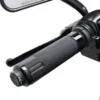
Switchback Heated Grips Review: Comfort vs Cost
Harley Switchback Heated Grips Review: Comfort vs Cost When it comes to long-distance riding, comfort is just as important as performance. One upgrade that many touring riders consider is installing Switchback heated grips. Designed to improve comfort in cold weather and extend riding seasons, heated grips are one of the most practical upgrades available for touring and cruiser motorcycles. For riders of the Switchback and similar touring models, heated grips offer more than just warmth—they improve safety, reduce fatigue, and enhance overall riding enjoyment. But are Switchback heated grips really worth the investment? Do they justify their cost compared to standard grips or aftermarket alternatives? In this comprehensive review, we’ll break down everything you need to know, including performance, comfort, installation, cost, pros, cons, and whether they’re truly worth buying. What Are Switchback Heated Grips? Switchback heated grips are electrically powered handlebar grips designed specifically for touring motorcycles like the Harley Switchback and compatible Harley-Davidson models. These grips contain internal heating elements that warm your hands during cold weather riding. Unlike bulky gloves or external heating solutions, heated grips provide direct warmth to your hands through contact, ensuring consistent heat distribution even at highway speeds. Key Features Typical Switchback heated grips include: Built-in electric heating elements Adjustable heat levels OEM-style fit and finish Integration with factory wiring Weather-resistant construction Ergonomic rubber grip design Handlebar-mounted controls They’re designed to blend seamlessly with your motorcycle while delivering practical comfort benefits. Why Heated Grips Matter for Harley Switchback Riders The Harley Switchback is a versatile touring cruiser designed for both long-distance travel and everyday riding. However, like many cruisers, it exposes the rider’s hands directly to wind and cold temperatures. Heated grips solve several common problems: 1. Improved Cold Weather Comfort Cold hands can make riding miserable. Heated grips maintain warmth even when temperatures drop below 10°C (50°F). This makes them especially useful for: Early morning rides Night riding Winter riding High-altitude riding Long-distance touring 2. Increased Safety Cold hands reduce: Grip strength Reaction time Brake control precision Throttle control Heated grips help maintain full hand function, improving overall riding safety. 3. Reduced Fatigue on Long Rides Cold muscles fatigue faster. Heated grips help your hands stay relaxed and comfortable, reducing strain during long-distance rides. This is especially important for touring riders covering hundreds of miles in a single day. 4. Extended Riding Season With heated grips, many riders can extend their riding season by several months each year. Instead of parking your bike during cold weather, you can continue riding comfortably. Switchback Heated Grips: Comfort Performance Review Comfort is the main reason riders install heated grips. Let’s evaluate how Switchback heated grips perform in real-world conditions. Heat Output and Effectiveness Switchback heated grips typically offer multiple heat levels, ranging from mild warmth to strong heat output. Most riders report: Noticeable warmth within 30–60 seconds Full heat within 2–5 minutes Effective warmth even at highway speeds Consistent heating across the entire grip surface This makes them ideal for both mild and very cold conditions. Even Heat Distribution One major advantage is uniform heating. Unlike cheaper heated grips that create hot spots, Switchback heated grips distribute heat evenly. This prevents: Discomfort Uneven warmth Hand fatigue Grip Texture and Comfort Switchback heated grips are designed with ergonomic rubber compounds that provide: Excellent grip Reduced vibration Comfortable hand positioning Secure throttle control They’re comfortable even when the heating function is off. Cost Breakdown: How Much Do Switchback Heated Grips Cost? Cost is one of the biggest considerations when deciding whether to upgrade. Typical Price Range Switchback heated grips typically cost: OEM heated grips: $200–$350 Aftermarket heated grips: $100–$250 Professional installation: $50–$150 (optional) Total installed cost: $150–$450 While this may seem expensive, the comfort and safety benefits justify the investment for many riders. Installation: Is It Difficult? Installation difficulty depends on whether you’re installing OEM or aftermarket grips. OEM Heated Grip Installation OEM Switchback heated grips offer easier installation because they’re designed specifically for Harley motorcycles. Installation typically involves: Removing existing grips Connecting wiring harness Installing heated grips Connecting to electrical system Testing heat levels Installation time: 30–90 minutes Many riders can install them at home with basic tools. Professional Installation Professional installation ensures: Proper wiring Clean appearance Full functionality Warranty protection Professional installation is recommended if you’re unfamiliar with motorcycle electrical systems. Compatibility: Which Motorcycles Support Switchback Heated Grips? Switchback heated grips are compatible with: Harley Switchback models Harley Touring models Softail models (with compatible wiring) Street Glide models Road Glide models Always verify compatibility before purchasing. OEM heated grips offer the best fit and integration. Pros of Switchback Heated Grips 1. Excellent Cold Weather Comfort Heated grips dramatically improve comfort in cold weather. This is the biggest advantage. 2. Increased Riding Safety Warm hands maintain better control of: Throttle Brake Clutch This improves safety in cold conditions. 3. OEM Fit and Finish Switchback heated grips match factory styling perfectly. They look like original equipment. 4. Easy Integration OEM grips integrate seamlessly with Harley electrical systems. No complicated modifications required. 5. Durable Construction High-quality materials ensure: Long lifespan Weather resistance Reliable performance Many heated grips last years without issues. Cons of Switchback Heated Grips No upgrade is perfect. Here are the downsides. 1. Higher Initial Cost Heated grips cost more than standard grips. However, the comfort benefits justify the price. 2. Electrical Installation Required Installation involves electrical connections. This may intimidate beginners. Professional installation solves this issue. 3. Battery Usage Heated grips consume some electrical power. However, Harley charging systems easily support them. No battery problems occur under normal conditions. 4. Limited Use in Warm Climates Riders in hot climates may use heated grips less frequently. However, they’re still valuable during early mornings or cold nights. OEM vs Aftermarket Switchback Heated Grips Choosing between OEM and aftermarket heated grips is an important decision. OEM Heated Grips Advantages Perfect compatibility Factory integration Clean appearance Reliable performance Warranty protection Best option for most riders. Aftermarket Heated Grips Advantages Lower cost More style options Similar performance However, installation
Are Heated Grips Worth It on a Harley-Davidson? (Complete Rider’s Guide)
Are Heated Grips Worth It on a Harley-Davidson? Riding a Harley isn’t just about getting from point A to point B—it’s about comfort, control, and enjoying every mile of the journey. But when temperatures drop, even the most passionate riders can find their rides cut short due to cold hands. This is where heated hand grips for Harley Davidson motorcycles come in. Heated grips are one of the most popular comfort upgrades among touring and commuter riders, and for good reason. They extend your riding season, improve safety, and significantly enhance long-distance comfort. But are they really worth the investment? In this detailed guide, we’ll break down everything you need to know—from benefits and drawbacks to installation, compatibility, and whether heated grips are the right upgrade for your Harley. What Are Heated Grips for Harley-Davidson Motorcycles? Heated grips are electrically powered handlebar grips designed to keep your hands warm in cold weather. They connect to your Harley’s electrical system and allow you to adjust heat levels based on riding conditions. Unlike bulky winter gloves, heated grips provide consistent warmth directly to your hands, allowing you to maintain full control and tactile feedback from your throttle and controls. Most modern heated hand grips for Harley Davidson motorcycles offer: Multiple heat settings Integrated controls on the handlebar Factory-style fit and finish Compatibility with Harley touring, cruiser, and bagger models Seamless integration with OEM wiring systems Heated grips are especially popular among riders of Touring models like Street Glide, Road Glide, Road King, and Ultra Limited, but they’re equally beneficial on Softail and Dyna models. Why Cold Hands Are a Serious Problem for Harley Riders Cold hands aren’t just uncomfortable—they can be dangerous. When your hands get cold, several things happen: Reduced grip strength Slower reaction times Reduced throttle precision Hand numbness Decreased braking responsiveness These factors directly impact rider safety. Harley-Davidson motorcycles are designed for long-distance riding, and heated grips ensure your hands remain responsive and comfortable, even in colder conditions. Top Benefits of Heated Hand Grips for Harley Davidson 1. Extended Riding Season One of the biggest advantages of heated grips is the ability to ride longer into colder months. Instead of storing your Harley when temperatures drop, heated grips allow you to ride comfortably in: Early mornings Late evenings Fall and winter seasons High-altitude riding conditions This is especially valuable for riders in colder climates or those who commute year-round. 2. Improved Comfort on Long Rides Long-distance touring can expose your hands to constant wind chill. Even at moderate temperatures, wind exposure can cause discomfort over time. Heated grips provide consistent warmth that: Reduces fatigue Prevents stiffness Improves overall ride comfort Makes long-distance touring more enjoyable For touring riders, heated grips are considered an essential upgrade. 3. Improved Safety and Control Warm hands maintain: Better throttle precision Faster braking response Stronger grip strength Better clutch control Cold hands reduce your ability to control your motorcycle precisely. Heated grips ensure maximum control in all weather conditions. 4. Cleaner and More Comfortable Than Heated Gloves Heated gloves are an alternative, but heated grips offer several advantages: Heated grips: Don’t require charging Don’t need batteries Always ready to use Maintain natural grip feel Work with any gloves Heated gloves: Require charging Can fail mid-ride Are bulky More expensive long-term Heated grips are simpler and more reliable. 5. OEM Integration and Factory Appearance Modern heated hand grips for Harley Davidson models integrate seamlessly with factory controls. Benefits include: Factory-style appearance Clean wiring integration OEM compatibility No clutter or external wires They look and feel like original Harley equipment. Are Heated Grips Worth It? Honest Pros and Cons Pros Major comfort improvement Increased safety Extends riding season Easy to use Long-lasting upgrade Improves resale value Works instantly Cons Higher upfront cost Installation required Slight battery usage Premium OEM kits can be expensive Despite these minor drawbacks, most Harley riders consider heated grips one of the best comfort upgrades available. Who Benefits Most from Heated Grips? Heated grips are especially valuable for: Touring Riders Long-distance riders experience extended wind exposure. Heated grips dramatically improve touring comfort. Daily Commuters If you ride to work early mornings or evenings, heated grips make commuting more comfortable. Cold Climate Riders Essential for riders in colder regions. Adventure and Long-Distance Riders Perfect for cross-country trips and unpredictable weather conditions. Best Harley-Davidson Models for Heated Grip Upgrades Heated hand grips for Harley Davidson motorcycles are compatible with most modern Harley models, including: Touring Models Street Glide Road Glide Road King Ultra Limited Electra Glide Softail Models Street Bob Fat Boy Low Rider S Heritage Classic Dyna Models Low Rider Wide Glide Fat Bob Sportster Models Iron 883 Forty-Eight Nightster Touring models benefit the most due to long-distance riding focus. OEM vs Aftermarket Heated Grips: Which Is Better? OEM Heated Grips Advantages: Perfect compatibility Factory appearance Seamless integration Higher reliability Better durability Disadvantages: Higher price OEM heated grips are the best option for most riders. Aftermarket Heated Grips Advantages: Lower cost More design options Disadvantages: Potential compatibility issues Lower reliability Wiring complexity Inconsistent heat output Aftermarket grips are suitable for budget builds. Installation: Is It Difficult? Installation difficulty depends on your Harley model. Easy Installation Models Many modern Harley motorcycles are pre-wired for heated grips. Installation can take: 30–60 minutes Moderate Installation Models Older models may require additional wiring. Installation may take: 1–2 hours Professional Installation Option Many riders choose professional installation for perfect integration. Power Consumption and Battery Impact Heated grips use minimal power and do not significantly impact your battery. Typical power usage: Low setting: 10–15 watts High setting: 20–35 watts Modern Harley charging systems easily handle this load. Battery drain is only a concern if grips are left on with the engine off. Heated Grips vs Heated Gloves vs Handguards Let’s compare comfort options. Heated Grips Best overall solution Always available No batteries required Reliable Clean integration Heated Gloves Good but less convenient Require charging Expensive Can fail mid-ride Handguards Limited warmth protection Blocks wind Does not generate heat
Best Harley Touring Upgrades for Comfort, Performance & Style
Best Harley Touring Models Upgrades For touring riders, Harley-Davidson motorcycles offer incredible freedom on the open road. But even the most premium Harley touring models—like the Street Glide, Road Glide, and Ultra Limited—can benefit from upgrades that enhance comfort, performance, and style. If you’re planning long-distance rides or daily touring adventures, knowing the best parts for Harley touring upgrades ensures your bike performs better, looks sharper, and keeps you riding comfortably for thousands of miles. In this guide, we’ll break down must-have upgrades, their benefits, costs, and installation tips, so you can plan your ultimate Harley touring setup. Why Upgrading Your Harley Touring Bike Matters Even Harley touring models designed for comfort and long rides can benefit from strategic upgrades. Here’s why riders invest in Harley touring upgrades: Enhanced Comfort: Long hours on the highway can strain your back, wrists, and legs. Upgraded seats, suspension, and grips reduce fatigue. Improved Performance: Upgrades like high-flow air cleaners, exhaust systems, and suspension kits optimize your bike’s handling and power delivery. Better Style & Customization: Custom paint, chrome trim, and saddlebags elevate your Harley’s appearance while keeping functionality in mind. Long-Term Value: Well-chosen upgrades can maintain or even increase resale value for touring Harleys. By focusing on comfort, performance, and style, you ensure your Harley is both a pleasure to ride and a head-turner on the road. 1. Comfort Upgrades for Harley Touring Bikes Comfort is the foundation of a great touring experience. Long rides can be taxing, but the right upgrades make all the difference. Touring Seats & Seat Cushions Best Parts for Harley Touring Upgrades: Harley OEM touring seats Mustang Super Touring Deluxe Seat Gel or memory foam aftermarket options Benefits: Reduced back and tailbone fatigue Better posture on long rides Enhanced passenger comfort Cost Range: $300–$900 depending on brand and features. Heated Grips & Handlebar Upgrades Popular Options: Switchback heated grips, Harley heated handlebar grips Benefits: Keeps hands warm on cold rides Reduces numbness for safer control Easy installation on most touring models Pro Tip: Pair with adjustable handlebars to achieve the perfect ergonomic position. Windshields & Fairings Windshield Upgrades: Touring windshields and adjustable fairings Benefits: Reduces wind fatigue Protects from rain, debris, and insects Enhances aerodynamics A well-chosen windshield and fairing combination can dramatically improve comfort on long highway stretches. Suspension Upgrades Options: Progressive shocks, premium fork kits, rear air suspension Benefits: Smoother ride over bumps Better load handling for touring Customizable stiffness for different road conditions Cost Range: $400–$1,500 including installation. 2. Performance Upgrades for Harley Touring Performance upgrades help your Harley handle the rigors of long-distance touring while delivering responsive power and reliable braking. High-Flow Air Cleaners & Intake Systems Popular Options: Screamin’ Eagle heavy breather kits, ventilator air cleaners Benefits: Improved throttle response Enhanced engine efficiency Optimal fuel-to-air ratio for touring performance Cost Range: $150–$600, plus tuning if needed. Exhaust System Upgrades Options: Full system vs slip-on exhausts, Screamin’ Eagle mufflers Benefits: Boosts power output Provides the signature Harley rumble Reduces weight in some models Cost Range: $400–$1,800 depending on brand and system. Engine Upgrades & Tuning Popular Mods: Cam upgrades, stage kits, heavy-breathing kits Benefits: Increased horsepower and torque Better fuel efficiency at cruising speeds Smooth, responsive acceleration Note: Engine mods may require professional installation and tuning for optimal results. Brakes & Wheels Brake Upgrades: Premium rotors, braided lines, upgraded calipers Wheel Upgrades: Lighter touring wheels, custom rims Benefits: Improved stopping power and control Enhanced handling for loaded touring bikes Reduced unsprung weight for better suspension response Cost Range: $500–$2,200 depending on wheel and brake setup. 3. Style Upgrades for Touring Harleys While comfort and performance are critical, style is equally important for Harley touring riders who want their bike to stand out. Saddlebags & Luggage Best Parts for Harley Touring Upgrades: OEM detachable saddlebags, aluminum side cases, throw-over saddlebags Benefits: Secure storage for long trips Perfect fit with Harley design lines Weather-resistant materials for touring Cost Range: $400–$2,000 depending on style and capacity. Custom Paint & Chrome Accents Options: OEM matching paint kits, aftermarket graphics, chrome trim Benefits: Enhances aesthetics and resale value Matches existing Harley finishes Allows for personal branding and style Cost Range: $500–$5,000 for full custom jobs. Lighting & Electronics Options: LED headlights, auxiliary lights, advanced dash systems Benefits: Better visibility at night Adds modern styling cues Enhances safety for touring Cost Range: $50–$1,000 depending on upgrades. Audio Systems Options: Fairing-mounted stereos, upgraded speakers, infotainment systems Benefits: Entertainment for long rides GPS and navigation integration Customizable sound output for music and communication Cost Range: $150–$3,000+, depending on brand and complexity. 4. Planning Your Harley Touring Upgrade Budget When planning Harley touring upgrades, it’s important to prioritize based on comfort, performance, and style: Start with Comfort: Seats, grips, and windshields Then Performance: Air intake, exhaust, brakes, suspension Finish with Style: Saddlebags, paint, lighting, and audio Budget Ranges for Upgrades: Entry-Level Comfort + Style: $1,000–$2,500 Mid-Tier Build: $3,000–$6,000 Full Touring Performance + Style Build: $7,000+ Tip: Combining multiple upgrades in one installation session often reduces labor costs. 5. OEM vs Aftermarket: What to Choose for Touring Upgrades When selecting parts for Harley touring upgrades, riders often face the OEM vs aftermarket dilemma: OEM Parts: Perfect fitment, factory-tested, warranty-backed Aftermarket Parts: Can offer unique styling or lower price, but fitment and reliability vary Recommendation: For critical touring components like saddlebags, brakes, suspension, and seats, OEM is usually the safest choice. For cosmetic touches or audio, high-quality aftermarket brands can provide customization at a lower price. 6. Installation Tips for Touring Upgrades Use certified Harley technicians for performance or engine mods Verify fitment for your exact model and year Bundle multiple upgrades to reduce labor costs Keep receipts and warranty information for all parts Following these steps ensures your Harley touring upgrades provide long-term value and reliability. Frequently Asked Questions (FAQ) What are the best Harley touring upgrades for comfort? Seats, heated grips, windshields, and upgraded suspension provide maximum comfort for long-distance rides. Do performance upgrades affect Harley warranty? OEM upgrades typically do not