OEM vs Aftermarket Harley Saddlebags: Which Should You Buy?
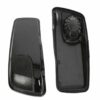
OEM vs Aftermarket Harley Saddlebags: Which Should You Buy? Saddlebags aren’t just accessories on a Harley-Davidson — they’re part of the riding lifestyle. Whether you’re commuting, touring cross-country, or just keeping your gear secure, the right set of saddlebags can completely transform how you ride. But one question comes up again and again for Harley owners: Should you buy OEM Harley saddlebags or aftermarket alternatives? On the surface, the choice looks simple: OEM costs more, aftermarket costs less. In reality, the decision is far more nuanced. Fitment, durability, weather protection, resale value, security, and even riding comfort all depend on whether you choose OEM Harley Davidson saddle bags or go aftermarket. In this guide, we’ll break it all down — honestly and practically — so you can decide which option truly fits your bike, your budget, and your riding style. Why Saddlebags Matter More Than You Think Many riders treat saddlebags as an afterthought. That’s a mistake. A good set of Harley-Davidson saddlebags affects: Weight distribution Bike handling Long-distance comfort Storage security Weather resistance Visual balance of your Harley Poorly designed saddlebags can: Rub against exhausts Shift at highway speeds Leak in the rain Damage paint or fenders Look completely out of place That’s why choosing between OEM and aftermarket deserves careful thought. What Are OEM Harley Saddlebags? OEM (Original Equipment Manufacturer) Harley saddlebags are designed and approved by Harley-Davidson specifically for their motorcycles. These are the same standards used on factory-equipped touring bikes. Key Characteristics of OEM Harley-Davidson Saddlebags Designed for specific Harley models and years Factory-grade materials and finishes Perfect alignment with mounting points Seamless integration with exhaust, lighting, and turn signals Often lockable and keyed to the bike Backed by Harley engineering standards OEM saddlebags are not universal — and that’s intentional. What Are Aftermarket Harley Saddlebags? Aftermarket saddlebags are produced by third-party manufacturers. They range widely in price, quality, and design. Common Types of Aftermarket Saddlebags Universal throw-over saddlebags Bolt-on hard cases Soft leather or textile bags Budget ABS hard bags Some aftermarket brands are excellent. Others… not so much. The challenge is separating quality options from compromises. OEM Harley Saddlebags: Pros & Cons Let’s start with OEM, because this is where many serious riders end up — even if they don’t start here. ✅ Pros of OEM Harley Saddlebags 1. Perfect Fitment OEM saddlebags are built for specific Harley-Davidson models and years. That means: No drilling No shimming No guesswork Everything lines up exactly as intended. 2. Superior Weather Protection OEM hard saddlebags are engineered to: Seal tightly Handle sustained rain Resist warping and cracking For touring riders, this alone can justify the cost. 3. Integrated Locking & Security Most OEM Harley saddlebags: Lock securely Can be keyed to your ignition Deter theft far better than soft bags That peace of mind matters on long trips. 4. OEM Quality & Finish Paint match, texture, hinges, latches — OEM bags simply feel solid. They look like part of the bike, not an add-on. 5. Resale Value Harleys with OEM accessories typically: Sell faster Command higher prices Appeal to more buyers OEM saddlebags are an investment, not just a purchase. ❌ Cons of OEM Harley Saddlebags 1. Higher Price There’s no sugarcoating it. OEM saddlebags cost more upfront. But price and value are not the same thing. 2. Less Custom Styling Variety OEM designs are refined and conservative. Riders seeking extreme customization may prefer aftermarket aesthetics. Aftermarket Harley Saddlebags: Pros & Cons Aftermarket options attract riders for good reasons — but there are trade-offs. ✅ Pros of Aftermarket Saddlebags 1. Lower Initial Cost Aftermarket saddlebags can cost significantly less than OEM options, especially soft bags. 2. Wide Style Selection You’ll find: Vintage leather looks Aggressive hard bag designs Minimalist throw-over styles Customization lovers often start here. 3. Universal Compatibility Some aftermarket saddlebags can be moved between bikes — appealing if you switch models often. ❌ Cons of Aftermarket Saddlebags 1. Fitment Issues This is the biggest complaint: Bags sit crooked Exhaust clearance issues Turn signal interference Rubbing on paint or fenders Universal fit often means compromised fit. 2. Inconsistent Weather Protection Many aftermarket saddlebags: Leak in heavy rain Use low-grade seals Warp over time 3. Security Limitations Soft bags and budget hard bags: Are easier to cut or pry open Often lack proper locking systems 4. Durability Varies Widely Quality depends entirely on the brand — and some corners get cut fast. OEM vs Aftermarket: Side-by-Side Comparison Feature OEM Harley Saddlebags Aftermarket Saddlebags Fitment Model-specific Often universal Weather resistance Excellent Varies Security High Low to medium Installation Plug-and-play May require mods Finish quality Factory-grade Inconsistent Resale value High Low to moderate Cost Higher upfront Lower upfront Which Saddlebags Are Best for Touring Riders? If you ride: Long distances In varying weather With valuable gear Then OEM Harley-Davidson saddlebags are usually the better choice. Touring bikes like: Street Glide Road Glide Road King …are designed around OEM luggage systems. OEM saddlebags maintain: Proper weight distribution High-speed stability Comfort on multi-day rides What About Cruisers & Softails? Cruiser riders often value: Style Flexibility Occasional storage Here, the choice becomes more personal. Good Aftermarket Use Cases Throw-over saddlebags for weekend rides Lightweight soft bags Temporary storage needs When OEM Still Wins Daily riding Commuting Long-term durability Protecting paint and resale value OEM Harley Saddlebags and Compatibility One underrated advantage of OEM saddlebags is system compatibility. They’re designed to work with: Harley exhaust systems Passenger backrests Tour packs Lighting kits Security systems Aftermarket bags can interfere with these upgrades — sometimes requiring additional parts or compromises. Are OEM Harley Saddlebags Worth the Money? Here’s the honest answer: Yes — if you plan to keep your bike, ride it often, or tour seriously. OEM saddlebags: Last longer Protect your gear better Preserve your bike’s value Save you from fitment headaches Many riders who start with aftermarket eventually upgrade to OEM — spending more in the long run. How to Choose the Right Saddlebags for Your Harley Davidson motorcycle Ask yourself these
How Much Do Harley-Davidson Modifications Really Cost in 2026?
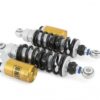
Harley-Davidson Modifications Cost in 2026 Customizing a Harley-Davidson is one of the best parts of owning one — but how much will those modifications really cost you in 2026? From performance upgrades to cosmetic enhancements, riders often ask: What’s the total cost to mod a Harley? Is it worth it? Where should I start? This comprehensive guide answers all of that and more. We’ll break down actual cost ranges for popular Harley modifications, explain value-based choices, and help you build a plan that fits your budget without compromising quality. Why Riders Modify Harley-Davidson Motorcycles Before we dive into numbers, let’s quickly cover the why behind modifications: Better performance – More power, improved throttle response, better braking. Comfort & touring upgrades – Saddlebags, seats, heated grips. Style & personalization – Custom paint, chrome accents, lighting. Sound & presence – Exhaust systems and speakers for that iconic rumble. No matter your goal, understanding Harley Davidson modifications cost helps you budget realistically and avoid buyer’s remorse. Overview: Typical Cost Ranges for Harley-Davidson Modifications Modification Type Estimated Cost (Parts Only) Notes Exhaust Systems $300–$1,800+ Brand + style dependent Air Cleaner & Intake $100–$600 Performance gains vary Engine Upgrades $400–$3,500+ High end and performance kits Suspension $250–$1,200 Improves ride quality Wheels & Tires $400–$2,200 High variance by size/brand Saddlebags & Luggage $300–$2,000 OEM vs aftermarket Seats $150–$900 Comfort upgrades Lighting & Electrical $50–$1,000 LED lights, auxiliary lights Audio Systems $150–$3,000+ Speakers, stereos Paint & Customization $500–$5,000+ Custom design work Labor & Installation $100–$2,000+ Very location-dependent 💡 Note: All figures above are estimates for 2026 and may vary by region, model, installer, and complexity. 1. Exhaust Systems ($300–$1,800+) One of the first upgrades many riders consider is the exhaust — and for good reason. Exhaust mods deliver: Better sound quality and volume Slight horsepower improvements Weight reduction Budget Range: Entry Level: $300–$600 Mid-Tier Performance: $600–$1,200 High-End Custom / Full System: $1,200–$1,800+ Factors Affecting Cost: Full system vs slip-on mufflers Brand reputation Chrome vs blacked-out finishes Compliance with noise regulations Pro Tip: If you’re aiming for better horsepower and sound, plan for installation costs too — often $100–$300 depending on shop rates. 2. Air Cleaner & Intake Upgrades ($100–$600) Pairing a new air cleaner with an exhaust system is common because they offer synergistic performance gains. A high-flow intake helps your engine breathe better, which can improve throttle response and power. Cost Breakdown: Standard Performance Intake: $100–$300 Premium / Tuned Kits: $300–$600+ Installation Tip: Most intakes are bolt-on, but proper tuning (ECM remap) significantly boosts performance — this may cost an additional $150–$500. Why It Matters: A quality intake and proper tuning ensure your fuel-to-air ratio is optimized — translating into real performance instead of just louder noise. 3. Engine Upgrades ($400–$3,500+) This category covers internal modifications that can dramatically change how your bike performs. Common Engine Mods Camshaft upgrades High-compression pistons Heavy-breather kits Big bore kits Cost Examples: Cam Upgrade: $400–$1,200 Heavy Breather / High Flow Intake: $300–$600 Big Bore Kit: $700–$3,500+ Engine mods are at the upper end of your Harley Davidson modifications cost because they involve both high-precision parts and labor. Labor Costs: Expect $500–$1,500+ for installation, depending on shop rates and complexity. 4. Suspension Upgrades ($250–$1,200) Upgrading suspension improves both ride comfort and handling — especially important for touring riders who spend long hours in the saddle. Typical Costs Rear shocks: $250–$800 Front fork upgrades: $400–$1,200 Premium adjustable suspension can go even higher. Why Bother? Stock suspension is tuned for average use. Better shocks help: Reduce bottoming out Improve cornering stability Smooth out rough road impacts 5. Wheels & Tires ($400–$2,200) Upgrading wheels and tires affects both style and performance. Breakdown: Tires Only: $200–$500 per tire Custom Wheels: $800–$2,200+ Installation & Balancing: $50–$200 Premium tires last longer and improve grip — worth the investment for riders who tour or ride aggressively. 6. Saddlebags & Luggage ($300–$2,000+) Whether you ride daily or tour long distances, luggage makes your bike more practical. Cost Range: Basic Saddlebag Set: $300–$800 Premium / OEM Saddlebags: $800–$2,000+ OEM vs Aftermarket: Premium OEM saddlebags often cost more, but they offer perfect fitment and durability. Choose aftermarket only if you need a specific style and plan to adapt fit yourself. 7. Seats ($150–$900) Seat upgrades improve comfort — especially for long-haul rides. Typical Values: Standard comfort seat: $150–$400 Touring comfort seats: $400–$900+ Gel inserts, ergonomic design, and premium materials all push price up — but offer real value for mile-eaters. 8. Lighting & Electrical ($50–$1,000) Lighting upgrades can transform your bike’s look and safety profile. Common upgrades: LED headlights Auxiliary lights ($100–$500) Brake light upgrades Turn signal LED kits High-end lighting systems or custom wiring jobs can push the cost toward the upper range. 9. Audio & Infotainment ($150–$3,000+) Audio upgrades are increasingly popular on touring models. Cost Examples: Speaker upgrades: $150–$500 Full fairing audio systems: $600–$3,000+ Installation and custom dash trim can add $200–$800 Premium sound systems make long rides more enjoyable — but they are often the most expensive bolt-on tech mod. 10. Paint, Custom Panels & Cosmetic Mods ($500–$5,000+) These are the most variable because they depend on artistic customization. Typical Costs Custom paint: $500–$3,000+ Graphic wraps: $300–$800 Trim chrome or accents: $200–$1,200+ Low-budget mods like decals cost little, but full repaint jobs can rival engine work prices. 11. Labor Costs (Often Overlooked: $100–$2,000+) Parts are only half the story. Skilled labor matters — especially on performance and internal mods. What Affects Labor Cost? Complexity of part Bike model / year Shop hourly rate Tuning and calibration needs As a rule of thumb: Simple bolt-ons: $100–$300 Performance installs: $300–$1,000 Engine internal work: $1,000–$2,000+ Always ask for labor estimates before booking work. Real-World Modification Cost Examples Here are some sample builds to illustrate total cost scenarios: 💸 Budget Build – Weekend Rider Slip-on exhaust: $400 Intake upgrade: $250 LED lighting kit: $150 New seat: $300 Labor: $350 Total: ~$1,450 🛣️ Touring Upgrade Build Premium saddlebags: $1,200 Comfort touring seat: $650 Audio system: $1,200 Lights: $350 Tires: $400 Labor: