FLHTRSE 2024–2025 Compatibility Guide: What Parts Actually Fit
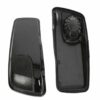
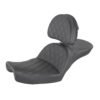
Harley FLHTRSE 2024–2025 Parts Compatibility Guide If you own a 2024 or 2025 FLHTRSE, you already know you’re riding one of the most advanced touring machines ever built by . With cutting-edge electronics, a powerful Milwaukee-Eight engine, and premium touring features, the FLHTRSE (CVO Road Glide) represents the pinnacle of Harley touring performance. However, one of the biggest questions riders ask is: what parts are actually compatible with Harley Touring FLHTRSE 2024–2025 models? Because this model includes updated electronics, frame refinements, and premium factory components, not every Harley part will fit properly. This guide explains exactly what’s compatible, what’s not, and how to choose the right OEM and aftermarket upgrades safely. Whether you’re upgrading performance, comfort, or touring capability, this compatibility guide will help you avoid costly mistakes. Understanding the FLHTRSE Platform (2024–2025) Before buying parts, it’s important to understand what makes the FLHTRSE different from other touring Harleys. The 2024–2025 FLHTRSE includes: Milwaukee-Eight VVT 121 engine Updated touring frame geometry Advanced infotainment system Premium suspension components Factory-installed touring equipment Specialized electronic integration These upgrades mean compatibility varies compared to older touring models like: Road Glide Special (FLTRXS) Street Glide (FLHX) Road Glide Limited (FLTRK) Many parts still fit—but some require exact compatibility verification. Why Compatibility Matters for FLHTRSE 2024–2025 Using incompatible parts can cause: Installation failure Electronic system errors Poor performance Safety risks Warranty issues Even parts designed for touring models may not fit properly if they don’t match the FLHTRSE’s specific design. This is especially true for: Electronics Engine performance parts Lighting systems Air cleaners Touring accessories Choosing OEM Harley parts ensures guaranteed compatibility. Fully Compatible Parts for Harley Touring FLHTRSE 2024–2025 These categories typically offer direct compatibility when designed specifically for 2024–2025 touring models. 1. Saddlebags and Touring Storage Saddlebags are one of the most common upgrades. Compatible options include: OEM hard saddlebags CVO touring saddlebags Locking saddlebags Tour packs Saddlebag liners These parts fit because Harley maintains consistent mounting systems across modern touring platforms. Benefits include: Increased storage capacity Improved touring convenience Factory-level fitment Enhanced visual appeal OEM Harley saddlebags provide the best guaranteed fit. 2. Air Cleaners and Intake Systems Air cleaners designed for Milwaukee-Eight engines are generally compatible with FLHTRSE. Compatible upgrades include: Stage 1 Screamin’ Eagle air cleaner kits High-flow performance air cleaners Ventilator air cleaner systems Heavy breather intake kits These upgrades improve: Horsepower Throttle response Engine efficiency Airflow performance Always choose air cleaners specifically rated for Milwaukee-Eight VVT engines. 3. Seats and Touring Comfort Upgrades Seats designed for 2024+ touring models typically fit FLHTRSE. Compatible seat upgrades include: Touring comfort seats Heated seats Low-profile seats Passenger touring seats Extended reach seats Benefits include: Improved comfort on long rides Better rider positioning Reduced fatigue Enhanced touring experience OEM seats provide perfect fitment and electronic compatibility for heated models. 4. Handlebars and Control Components FLHTRSE handlebars can be upgraded safely when using compatible touring components. Compatible upgrades include: Touring handlebars Ape hanger handlebars Pullback handlebars Heated grips Control levers However, electronic throttle systems require compatible designs. Incorrect handlebars may cause: Wiring issues Control malfunctions Installation complications Always verify compatibility with ride-by-wire systems. 5. Lighting and Visibility Upgrades Lighting upgrades are popular and generally compatible. These include: LED headlights Auxiliary lights Fog lights Turn signal upgrades Tour pack lighting kits Lighting upgrades improve: Night visibility Safety Modern appearance OEM lighting ensures full electronic compatibility. Performance Parts Compatible with FLHTRSE 2024–2025 Performance upgrades require extra attention to compatibility. 6. Exhaust Systems Compatible exhaust upgrades include: Slip-on mufflers Touring exhaust systems Performance mufflers Touring silencers Benefits include: Improved sound Better airflow Enhanced performance However, full exhaust systems must match: Engine configuration Sensor placement ECU programming requirements Incorrect exhaust systems may trigger engine codes. 7. Suspension Upgrades Suspension upgrades improve ride comfort and performance. Compatible upgrades include: Touring rear shocks Front fork upgrades Adjustable suspension kits Benefits include: Better ride comfort Improved handling Increased stability FLHTRSE uses premium suspension, so ensure replacements match factory specifications. 8. Touring Accessories These accessories are commonly compatible: Tour packs Windshields Passenger backrests Luggage racks Touring racks These upgrades enhance touring comfort and practicality. Electronics Compatibility: Most Critical Area Electronics are the most sensitive area for compatibility. Compatible electronic upgrades include: Audio systems designed for FLHTRSE Compatible speaker upgrades OEM lighting control modules Compatible electronic accessories Incompatible electronics can cause: Infotainment failure Error messages System malfunctions Always choose OEM or verified compatible components. Parts That May NOT Be Compatible Some parts designed for older touring models may not fit FLHTRSE properly. These include: Older air cleaners Older exhaust systems Non-compatible electronic modules Older seat designs Outdated lighting systems Always verify compatibility before purchasing. OEM Parts vs Aftermarket Parts for FLHTRSE OEM parts provide guaranteed compatibility. Advantages include: Perfect fit Reliable performance Warranty protection Full electronic integration Aftermarket parts vary in compatibility. Some aftermarket parts fit perfectly—but others may cause problems. Always verify: Model compatibility Year compatibility Engine compatibility OEM parts remain the safest choice. How to Verify Compatible Harley Touring FLHTRSE 2024–2025 Parts Use these methods to confirm compatibility. 1. Check OEM Part Numbers OEM part numbers confirm exact compatibility. Part numbers eliminate guesswork. 2. Verify Model and Year Compatibility Always confirm parts are designed for: FLHTRSE 2024 2025 Not all touring parts fit all touring models. 3. Buy from Trusted Harley Parts Stores Trusted suppliers provide: Verified compatible parts OEM components Fitment support Avoid generic sellers without fitment confirmation. 4. Confirm Milwaukee-Eight Compatibility FLHTRSE uses Milwaukee-Eight VVT engines. Parts designed for older engines may not fit. Always verify engine compatibility. Best Upgrade Categories for FLHTRSE 2024–2025 Recommended upgrade categories include: Touring Comfort Upgrades Seats Backrests Saddlebags Tour packs Performance Upgrades Air cleaners Exhaust systems Suspension Visual Upgrades Lighting Trim components Touring accessories Convenience Upgrades Storage accessories Touring luggage systems These upgrades improve overall riding experience. Common Compatibility Mistakes to Avoid Avoid these mistakes: Buying parts for wrong model Buying parts for older touring models Ignoring electronic compatibility Choosing non-OEM parts without verification Ignoring engine compatibility These mistakes can cost time
Harley Street Bob Touring Setup: Parts You Actually Need
Harley Street Bob Touring Parts You Actually Need If you ride a Harley Street Bob, you already know it’s one of the most stripped-down, aggressive, and fun-to-ride cruisers in the lineup. The minimalist bobber styling is part of its appeal—but when it comes to long-distance riding, that clean look doesn’t always translate to comfort or practicality. So how do you build a proper street bob touring setup without ruining the bike’s character? In this guide, we’ll break down the street bob accessories and upgrades you actually need for real-world touring. No fluff. No unnecessary chrome. Just smart, functional upgrades using Harley Davidson parts, including genuine Harley-Davidson parts and trusted HD OEM parts that deliver reliability and performance. Whether you’re planning weekend trips or multi-state rides, this setup will transform your Street Bob into a capable touring machine. Why the Street Bob Needs Touring Upgrades The Street Bob (especially 2018+ Softail models) is built for stripped-down urban riding. It typically lacks: Wind protection Passenger comfort Storage capacity Long-distance seat support Highway-oriented suspension tuning That’s where the right Harley touring parts come in. Instead of trading up to a full dresser like a Road Glide or Street Glide, many riders prefer upgrading their Street Bob with carefully chosen Harley Davidson touring parts. The result? A lighter, more agile touring bike with classic bobber attitude. 1. Wind Protection: Fairings & Windshields Why It Matters Wind fatigue is real. At highway speeds, constant wind pressure drains energy and strains your neck and shoulders. What You Actually Need Quick-detach windshield Quarter fairing Club-style fairing (if you prefer performance styling) OEM vs Aftermarket If you want guaranteed fitment and quality, buy Harley OEM parts designed specifically for your Street Bob model year. Genuine windshields are engineered for: Correct mounting geometry Reduced vibration Better optical clarity Using genuine Harley-Davidson parts also ensures compatibility with factory mounting points and avoids alignment issues. If you ride long highway miles, this is your first must-have upgrade. 2. Touring Seat Upgrade Stock Seat Problem Street Bob stock seats are thin and stylish—but not designed for 300-mile days. What to Look For Wider seating surface Better foam density Lower back support Optional passenger pillion Recommended Approach Choose: A touring saddle from trusted Harley spare parts & accessories suppliers Or official HD OEM parts designed for long-distance comfort For two-up riding, upgrading the passenger seat is just as important. Many riders underestimate how much comfort affects endurance. A proper touring seat can turn a painful ride into an enjoyable one. 3. Saddlebags: Storage Is Non-Negotiable No real street bob touring setup is complete without storage. Options: ✔ Throw-over saddlebags Budget-friendly, easy install. ✔ Hard saddlebags Weather-resistant and secure. ✔ Quick-detach rigid bags Perfect for switching between daily and touring modes. Why Choose OEM? OEM Harley touring parts often include: Reinforced mounting brackets Weather sealing Lockable systems Paint-matched finishes If you’re investing long-term, buying genuine Harley-Davidson parts ensures durability and resale value. Storage is not just convenience—it’s safety. Properly mounted bags prevent weight imbalance and vibration issues. 4. Sissy Bar & Backrest For solo riders, a sissy bar doubles as: Luggage support Strap anchor point Extra lower back support For two-up touring, it becomes essential. Key Benefits: Increased passenger comfort Better load stabilization Easier luggage stacking This is one of the most practical street bob accessories you can install. 5. Suspension Upgrades for Touring Stability The Street Bob’s stock suspension is tuned for casual riding—not loaded touring. Add luggage and possibly a passenger, and you’ll notice: Rear sag Reduced cornering stability Bottoming out on rough roads Upgrade Options: Heavy-duty rear shocks Adjustable rear suspension Touring-tuned fork inserts High-quality Harley Davidson parts for suspension upgrades dramatically improve ride quality on long trips. If you frequently ride loaded, suspension is one of the smartest investments you can make. 6. Engine Performance for Highway Cruising Touring often means sustained highway speeds. Improving airflow and throttle response enhances comfort and efficiency. Smart Touring Performance Upgrades: High-flow air cleaner Slip-on exhaust Fuel tuner (if required) Stick with genuine Harley-Davidson parts when possible to ensure proper engine mapping compatibility. Remember: Touring upgrades should focus on smooth power delivery—not maximum horsepower. 7. Touring Foot Controls & Comfort Mods Long rides demand ergonomic upgrades. Consider: Highway pegs Forward controls (if not already installed) Floorboard conversions These Harley touring parts allow you to stretch your legs and reduce fatigue during long highway runs. Even a simple peg relocation can dramatically improve comfort. 8. Lighting Upgrades for Safety Touring often means early departures or late returns. Upgrade to: LED headlight Auxiliary driving lights Brighter rear brake light Reliable lighting from Harley spare parts & accessories suppliers increases visibility and safety. Never compromise on visibility during long-distance travel. 9. Touring Handlebars & Controls Comfortable reach reduces shoulder and wrist strain. You may consider: Mid-rise touring bars Reduced-vibration grips Adjustable levers Always ensure compatibility when purchasing Harley Davidson OEM parts, especially when changing bar geometry. 10. Luggage Rack & Touring Packs If you need more than saddlebags: Add a detachable luggage rack Install a small touring pack Use waterproof roll bags Many riders combine a sissy bar with a rack for modular touring flexibility. This keeps your Street Bob visually clean when not touring. 11. Electrical & Charging Essentials Modern touring requires power. Install: USB charging port Battery tender lead Upgraded battery if necessary Choose reliable HD OEM parts to avoid electrical issues. Power reliability becomes critical on longer trips. OEM vs Aftermarket: What Should You Buy? When building your street bob touring setup, you’ll face this choice repeatedly. OEM Harley Parts Advantages: Perfect fitment Factory durability Resale value protection Warranty support Aftermarket Advantages: Lower cost Broader styling options Custom builds If reliability is your top priority, buy Harley OEM parts for critical systems like: Suspension Braking Electrical Mounting brackets For cosmetic upgrades, reputable aftermarket options are often fine. Budget Breakdown for a Street Bob Touring Setup Here’s a realistic cost range: Upgrade Estimated Cost Windshield $200 – $500 Touring Seat $300 – $700 Saddlebags
Harley Road Glide Accessories Worth Buying in 2026
Road Glide Accessories Worth Buying in 2026 The Road Glide is one of the most respected touring motorcycles ever built. Known for its aggressive shark-nose fairing, exceptional highway stability, and long-distance comfort, the Road Glide has become the top choice for riders who want performance and style in a touring package. But even with its premium factory setup, many riders choose to personalize and upgrade their machines. The right Road Glide motorcycles accessories can significantly improve comfort, safety, performance, and visual appeal. Whether you ride daily, tour across states, or build a show-quality custom bagger, investing in the right Harley Davidson parts & accessories makes a real difference. In this guide, we’ll explore the best Road Glide accessories worth buying in 2026, including OEM Harley parts, performance upgrades, comfort enhancements, and must-have touring accessories. Why Upgrade Your Road Glide With Quality Accessories? Before diving into the list, it’s important to understand why upgrading your Road Glide is worth the investment. 1. Improve Long-Distance Comfort Touring motorcycles are built for distance, but OEM upgrades like seats, grips, and backrests can dramatically improve rider and passenger comfort on extended trips. 2. Enhance Performance and Engine Efficiency Performance accessories like air cleaners, exhaust systems, and tuners improve horsepower, throttle response, and fuel efficiency. 3. Increase Storage Capacity Touring accessories such as saddlebags organizers, luggage racks, and Tour-Pak systems increase storage for long trips. 4. Enhance Safety and Visibility Lighting upgrades improve night visibility and help other drivers see you more clearly. 5. Personalize Style and Appearance Custom Harley accessories allow you to create a bike that reflects your personality. 1. OEM Harley Saddlebags and Saddlebag Accessories One of the most essential Road Glide motorcycles accessories is a high-quality saddlebag system. Why Saddlebags Matter Road Glide saddlebags provide secure storage while maintaining the bike’s clean touring profile. Benefits of OEM Harley Parts Saddlebags: Perfect fitment Weather resistance Lockable security Factory-matched paint options Long-term durability Recommended Saddlebag Accessories: Saddlebag liners Saddlebag organizers LED saddlebag lighting kits Saddlebag guard rails These Harley spare parts upgrades improve both functionality and protection. 2. Performance Air Cleaner Kits Upgrading your air cleaner is one of the most effective performance upgrades. Why Upgrade the Air Cleaner? The stock air cleaner restricts airflow to meet emissions standards. Performance air cleaners increase airflow, improving: Horsepower Torque Throttle response Engine efficiency Benefits of OEM Harley Accessories Air Cleaners OEM Harley parts offer: Proper airflow tuning Perfect fitment Reliable performance Engine compatibility High-flow air cleaners are especially beneficial for Milwaukee-Eight engines found on modern Road Glide models. 3. LED Lighting Upgrades Lighting upgrades are among the most popular Harley Davidson accessories for Road Glide riders. Essential Lighting Upgrades: LED Headlights Benefits: Brighter illumination Improved night visibility Longer lifespan Modern appearance LED Turn Signals Advantages: Faster response time Increased safety Sleeker appearance Saddlebag and Accent Lighting Adds both safety and custom styling. 4. Touring Seats for Maximum Comfort Comfort is essential for long-distance touring. Why Upgrade Your Road Glide Seat? Factory seats are good—but aftermarket or OEM Harley parts seats offer: Better lumbar support Improved padding Reduced fatigue Enhanced passenger comfort Popular Seat Options: Touring seats Low-profile seats Heated seats Two-up touring seats Upgrading your seat transforms long rides into comfortable journeys. 5. Backrests and Sissy Bars Backrests provide support and improve passenger comfort. Benefits of Installing a Backrest Reduced rider fatigue Improved posture Passenger comfort Increased touring capability Backrests are essential accessories for serious touring riders. 6. Engine Guard and Highway Pegs Engine guards and highway pegs are practical and comfort-focused upgrades. Engine Guard Benefits: Protect engine during drops Mount point for highway pegs Improved crash protection Highway Peg Benefits: Improved rider comfort Multiple riding positions Reduced leg fatigue These Harley accessories are essential for long-distance touring. 7. Performance Exhaust Systems Upgrading your exhaust system improves both performance and sound. Benefits of Performance Exhaust: Increased horsepower Improved torque Better throttle response Aggressive Harley sound Reduced weight Pairing exhaust upgrades with OEM Harley parts air cleaners maximizes performance gains. 8. Road Glide Windshield Upgrades The Road Glide’s fixed fairing offers excellent wind protection, but upgrading the windshield improves comfort further. Benefits of Upgraded Windshields: Reduced wind buffeting Improved rider comfort Better visibility Custom styling Available options include: Tall windshields Tinted windshields Touring windshields Performance windshields 9. Infotainment and Technology Upgrades Modern Road Glide models include infotainment systems, but upgrades enhance functionality. Popular Technology Accessories: Bluetooth modules Speaker upgrades Amplifiers Phone mounts GPS systems Improved audio and navigation make touring more enjoyable. 10. Suspension Upgrades Suspension upgrades improve ride quality, comfort, and handling. Benefits of Suspension Upgrades: Smoother ride Better handling Improved stability Increased comfort Options include: Rear shocks Front fork upgrades Touring suspension kits These upgrades are essential for riders who travel long distances. 11. Luggage Racks and Tour-Pak Systems Tour-Pak systems increase storage capacity for long trips. Benefits: Increased storage space Passenger back support Touring convenience OEM Harley accessories Tour-Pak systems integrate perfectly with Road Glide models. 12. Engine Performance Tuners Tuners optimize engine performance after installing upgrades. Benefits of Tuners: Improved horsepower Better throttle response Optimized fuel efficiency Supports air cleaner and exhaust upgrades Tuners are essential when installing performance Harley spare parts. 13. Crash Protection Accessories Protect your investment with crash protection accessories. Recommended Protection Accessories: Engine guards Saddlebag guards Frame sliders Fairing guards These OEM Harley parts protect expensive components. 14. Custom Mirrors and Controls Small upgrades make a big difference. Benefits of Upgraded Mirrors: Improved rear visibility Reduced vibration Enhanced styling Control Upgrades Include: Brake levers Clutch levers Hand controls Switch housings These Harley accessories improve control and comfort. OEM Harley Parts vs Aftermarket Accessories: What’s Better? Both OEM Harley parts and aftermarket accessories have advantages. OEM Harley Parts Advantages: Guaranteed compatibility Factory-level quality Long lifespan Perfect fitment Maintains resale value Aftermarket Accessories Advantages: Lower cost options More customization Wider style variety For critical components, OEM Harley accessories are usually the best choice. Must-Have Road Glide Accessories Checklist (2026) Here’s a quick summary of essential Road Glide motorcycles accessories:
Choosing the Right Air Cleaner for Your Harley: Model & Year Matters
Choosing the Right Air Cleaner for Your Harley: Model & Year Matters When it comes to upgrading your Harley-Davidson, few components make as immediate an impact as the air cleaner. More airflow means better combustion, improved throttle response, increased horsepower, and that unmistakable Harley intake sound riders love. But here’s the mistake many riders make: choosing an air cleaner without considering their Harley’s model, engine type, and year. An air cleaner that works flawlessly on a Twin Cam Road King might be completely wrong for a Milwaukee-Eight Street Glide. Fitment, emissions compliance, ECU calibration, and even riding style all play a role. That’s why selecting the right air cleaner for Harley-Davidson motorcycles is not a one-size-fits-all decision. In this guide, we’ll break down: Why model and year matter when choosing an air cleaner Differences between Twin Cam and Milwaukee-Eight engines What to look for in touring vs cruiser vs performance builds A deep dive into the 2025 Road Glide air cleaner options How to choose OEM vs aftermarket with confidence If you want performance without headaches, this guide is for you. Why Model & Year Matter When Choosing a Harley Air Cleaner Harley-Davidson motorcycles have evolved significantly over the years. Engine architecture, emissions regulations, intake designs, and electronic management systems have all changed — sometimes dramatically. Here’s why your bike’s model and year are critical: 1. Engine Compatibility Harley engines fall into distinct families: Evolution (Evo) Twin Cam (88, 96, 103, 110) Milwaukee-Eight (M8 107, 114, 117, 121, 135) Each engine family uses different intake flanges, throttle bodies, sensors, and mounting patterns. 2. Emissions & Compliance Modern Harleys (especially 2017+) are subject to stricter EPA and Euro emissions standards. Some air cleaners are: 50-state legal EPA compliant only Intended for race/off-road use Installing the wrong air cleaner can cause check engine lights or inspection failures. 3. ECU & Fuel Mapping High-flow air cleaners often require: ECM recalibration Fuel tuners Stage 1 kits The tuning needs differ between Twin Cam and M8 engines — and even between years. Understanding Harley Engine Generations Before choosing the best air cleaner for Harley-Davidson, you need to know what’s under the tank. Twin Cam Engines (1999–2017) Twin Cam engines powered Harley touring and cruiser models for nearly two decades. They’re loved for their raw feel and mechanical simplicity. Common Twin Cam sizes: 88 cu in 96 cu in 103 cu in 110 cu in Twin Cam Air Cleaner Considerations: Cable vs throttle-by-wire External crankcase breathers More tolerance for open, high-flow designs Wide aftermarket and OEM Screamin’ Eagle options Popular Twin Cam air cleaners include: Screamin’ Eagle High-Flow Air Cleaner Screamin’ Eagle Ventilator Heavy Breather (Elite & Extreme) Milwaukee-Eight Engines (2017–Present) The Milwaukee-Eight (M8) engine brought major changes: 4 valves per cylinder Dual spark plugs Improved cooling Higher airflow demands Common M8 sizes: 107 114 117 121 135 (M8 135 kit) Because of tighter emissions controls and integrated electronics, M8 engines are more sensitive to airflow changes. M8 Air Cleaner Considerations: Throttle body size Intake runner length Heat management ECU recalibration compatibility This is especially important when supporting performance builds like the M8 135 kit, which demands maximum airflow without compromising reliability. Touring Models vs Cruisers: Air Cleaner Needs Differ Not all Harleys are ridden the same way — and your air cleaner should match how you ride. Touring Models (Street Glide, Road Glide, Road King) Touring bikes prioritize: Long-distance comfort Consistent mid-range torque Heat control Weather resistance Best air cleaner traits for touring bikes: Forward-facing airflow Enclosed or semi-enclosed designs High filtration efficiency Stable performance at highway speeds Cruisers & Softails Cruisers often lean toward: Aggressive styling Urban riding Strong low-end torque Here, riders may prioritize: Exposed air cleaners Heavy Breather designs Visual impact Choosing the Right Air Cleaner for Harley Touring Models Touring riders should be cautious about going too open or aggressive with airflow. Excessively exposed air cleaners can: Suck in rain Increase intake noise fatigue Affect fuel economy on long rides Recommended Styles for Touring: Screamin’ Eagle Ventilator Air Cleaner Screamin’ Eagle High-Flow Touring Kits EPA-compliant Stage 1 systems These deliver performance without sacrificing rideability. 2025 Road Glide Air Cleaner: What You Need to Know The 2025 Road Glide represents the latest evolution of Harley touring bikes, featuring updated aerodynamics, electronics, and Milwaukee-Eight engines. Choosing the right 2025 Road Glide air cleaner requires attention to several factors: Engine Options Most 2025 Road Glide models come with: Milwaukee-Eight 117 Optional performance upgrades Each configuration has different airflow demands. Heat Management The fairing design and frame layout of the Road Glide means heat can build up quickly. Air cleaners must: Avoid excessive engine heat soak Maintain consistent intake temps Recommended Air Cleaner Options For most 2025 Road Glide riders: Screamin’ Eagle Ventilator (balanced airflow + comfort) Screamin’ Eagle Stage 1 Air Cleaner Kit EPA-compliant high-flow OEM systems For performance builds: Heavy Breather Elite (with proper tuning) Supporting airflow for big-bore setups Supporting Performance Builds: M8 135 Kit & Airflow Needs The M8 135 kit is one of the most extreme performance upgrades Harley-Davidson offers. It dramatically increases displacement — but airflow becomes critical. Why Air Cleaner Choice Is Critical for M8 135 Larger displacement requires more oxygen Poor airflow limits horsepower gains Heat buildup becomes a serious concern Best Air Cleaner Traits for M8 135 Builds: Maximum flow capacity Stable filtration at high RPM Compatibility with tuning systems OEM reliability (highly recommended) Screamin’ Eagle performance air cleaners are engineered specifically to support Harley’s own big-bore kits, making them a smart choice for riders chasing power without sacrificing longevity. OEM vs Aftermarket Air Cleaners: Which Should You Choose? This is one of the most common questions riders ask. OEM Screamin’ Eagle Air Cleaners Pros: Designed specifically for Harley engines Perfect fitment Emissions compliance options Backed by Harley engineering Cons: Higher price than generic aftermarket options Aftermarket Air Cleaners Pros: Wide variety of designs Often cheaper Cons: Inconsistent fitment May require additional tuning Potential emissions issues Variable quality For riders who value reliability, resale value,
Is the Screamin’ Eagle Heavy Breather Worth It?
Is the Screamin’ Eagle Heavy Breather Worth It? Pros, Cons & Real Rider Feedback Among Harley-Davidson performance upgrades, few parts attract as much attention — and debate — as the Screamin’ Eagle Heavy Breather. It’s bold. It’s aggressive. And it’s often seen as the ultimate air cleaner upgrade for riders chasing real performance gains. But is it actually worth the investment? For some riders, the Screamin’ Eagle Heavy Breather is a game-changer. For others, it’s overkill. The difference comes down to engine setup, riding style, comfort expectations, and long-term goals. In this in-depth guide, we’ll break down: What the Screamin’ Eagle Heavy Breather really does How it compares to other Harley air cleaners The real-world pros and cons riders experience Elite vs Extreme versions explained Who should buy it — and who shouldn’t If you’re considering a Screamin’ Eagle Heavy Breather for your Harley-Davidson, this article will help you decide with confidence. What Is the Screamin’ Eagle Heavy Breather? The Screamin’ Eagle Heavy Breather is Harley-Davidson’s most aggressive OEM air intake system, engineered to deliver maximum airflow to the engine. Unlike compact or low-profile air cleaners, the Heavy Breather: Extends outward from the throttle body Uses a forward-facing exposed filter Reduces intake restriction at higher RPM This design prioritizes air volume and velocity, which directly impacts horsepower and throttle response — especially on modified engines. Because it’s part of the Screamin’ Eagle Performance line, it’s built to OEM standards, tested for Harley engines, and designed to integrate properly with Harley tuning and performance upgrades. Why Airflow Matters on a Harley-Davidson A Harley engine’s performance is directly tied to how efficiently it can: Pull air in Mix it with fuel Expel exhaust gases Stock Harley air cleaners are designed with: Noise regulations Emissions requirements Broad rideability Performance air cleaners like the Screamin’ Eagle Heavy Breather are designed with one main goal: increase airflow without compromising reliability. More airflow means: Improved combustion efficiency Stronger throttle response Increased horsepower when properly tuned However, not all engines — or riders — benefit equally from maximum airflow. Heavy Breather Elite vs Heavy Breather Extreme One of the biggest misconceptions is that there’s only “one” Heavy Breather. In reality, there are two versions, each serving a different purpose. Screamin’ Eagle Heavy Breather Elite Best for: Stage 1 and Stage 2 builds Performance street riders Riders who want strong airflow without extreme engine mods Key characteristics: High-flow, washable filter element Significant airflow improvement over stock Aggressive intake sound Designed for real-world street riding This is the most popular version and the best choice for most riders considering a Heavy Breather. Screamin’ Eagle Heavy Breather Extreme Best for: Stage 3 and Stage 4 builds Big-bore engines Riders chasing maximum horsepower What sets it apart: Larger filter surface area Designed to support very high airflow demands Ideal for high-output Milwaukee-Eight engines If you’re running — or planning — major engine upgrades, the Extreme ensures your intake doesn’t become the bottleneck. The Real Pros of the Screamin’ Eagle Heavy Breather Let’s talk about where the Heavy Breather truly delivers. ✅ Pro #1: Maximum Airflow for Performance Builds The biggest advantage of the Screamin’ Eagle Heavy Breather is airflow. Because of its forward-facing design: Air enters the throttle body more directly Restriction is minimized at high RPM Engines can breathe more freely under load Riders consistently report: Stronger pull at highway speeds Improved roll-on acceleration Noticeable gains once tuning is dialed in For performance-focused Harley builds, this matters. ✅ Pro #2: Perfect Match for Modified Engines The Heavy Breather really shines on bikes with: Upgraded exhaust systems Performance cams ECU tuning On these setups, smaller air cleaners can limit gains. The Heavy Breather allows the engine to take full advantage of other performance upgrades. This is especially true for Milwaukee-Eight engines with higher airflow demands. ✅ Pro #3: Aggressive Intake Sound Many riders choose the Heavy Breather for how it sounds as much as how it performs. Expect: A deep intake growl under throttle A more aggressive, mechanical sound A clear sense of the engine working For riders who enjoy a visceral riding experience, this adds real value. ✅ Pro #4: Genuine OEM Quality & Engineering As a genuine Screamin’ Eagle product, the Heavy Breather offers: OEM-level fitment Durable materials Proper filtration for engine protection This is a major advantage over cheaper aftermarket intakes that may compromise long-term reliability. The Real Cons of the Screamin’ Eagle Heavy Breather Now for the honest downsides — because they’re real, and they matter. ❌ Con #1: Comfort & Knee Clearance Issues This is the most common complaint from riders. Because the Heavy Breather sticks out: It may contact your right knee Taller riders often notice it more Long-distance touring riders may find it uncomfortable Some riders adjust quickly. Others never fully get used to it. If comfort is a top priority, this is a serious consideration. ❌ Con #2: Overkill for Stock or Mild Builds On a mostly stock Harley: Performance gains may be modest Smaller air cleaners can deliver similar results Many riders report that they didn’t feel the Heavy Breather’s full benefit until additional engine upgrades were installed. ❌ Con #3: Higher Cost Compared to Other Options As a premium OEM performance part: The Screamin’ Eagle Heavy Breather costs more than many aftermarket air cleaners It also costs more than compact Screamin’ Eagle options The value is there for performance builds — but budget-conscious riders should weigh their priorities. ❌ Con #4: Requires Proper Tuning This is not optional. Because the Heavy Breather dramatically increases airflow: ECU tuning is required Running without tuning can cause lean conditions Engine heat and drivability issues can occur This adds to the total cost of the upgrade. What Real Riders Say: Feedback from the Harley Community Looking at rider forums, reviews, and long-term ownership feedback, clear patterns emerge. 👍 Positive Feedback “Huge difference once I added a tune.” “Sounds incredible when you get on the throttle.” “Perfect for my Stage 2 M8 build.” “No airflow
Best Air Cleaner for Twin Cam vs M8 Engines
Best Air Cleaner for Twin Cam vs M8 Engines Choosing the Right Screamin’ Eagle Intake for Your Harley-Davidson When it comes to unlocking real performance from a Harley-Davidson engine, few upgrades deliver results as quickly and reliably as a high-flow air cleaner. Whether you’re riding a classic Twin Cam Harley or a modern Milwaukee-Eight (M8) powerhouse, the right air intake plays a massive role in power delivery, throttle response, engine efficiency, and long-term reliability. But here’s the catch: 👉 The best air cleaner for a Twin Cam engine is not always the best choice for an M8 engine. These engines are fundamentally different in design, airflow demands, and performance potential — especially if you’re considering serious upgrades like the M8 135 kit. In this guide, we’ll break down: How Twin Cam and M8 engines differ What those differences mean for airflow and intake choice The best Screamin’ Eagle air cleaners for each platform Which setups make sense for stock, Stage 1, and high-output builds Common mistakes riders make when choosing an air cleaner If you’re searching for the best Harley Twin Cam air cleaner or planning future M8 performance upgrades, this article will help you make the right call — the first time. Why the Air Cleaner Matters on a Harley-Davidson Every internal combustion engine is essentially an air pump. The more efficiently it can draw in clean air, mix it with fuel, and expel exhaust gases, the better it performs. On a Harley-Davidson, upgrading the air cleaner can deliver: Increased airflow to the throttle body Improved combustion efficiency Better throttle response Stronger mid-range and top-end power Improved performance when paired with exhaust and tuning Factory air cleaners are designed with emissions, noise, and cost constraints in mind. Screamin’ Eagle air cleaners, on the other hand, are engineered for performance while maintaining OEM reliability and fitment. Twin Cam vs Milwaukee-Eight: Key Engine Differences Before choosing an air cleaner, it’s essential to understand what makes these engines different. Twin Cam Engines (1999–2017) Twin Cam engines powered Harley-Davidson motorcycles for nearly two decades. They’re known for: Traditional Harley character Strong low-end torque Mechanical simplicity compared to modern engines Key characteristics: Two camshafts (hence “Twin Cam”) Lower RPM ceiling compared to M8 Less efficient stock airflow Respond well to intake and exhaust upgrades Because of their design, Twin Cam engines benefit significantly from a high-flow air cleaner, especially when paired with Stage 1 or Stage 2 upgrades. Milwaukee-Eight (M8) Engines (2017–Present) The Milwaukee-Eight represents a major leap forward in Harley engineering. Key characteristics: Four valves per cylinder Improved cooling Higher compression ratios Better stock airflow than Twin Cam The M8 breathes better from the factory, but it also demands more airflow when upgraded. This becomes especially important for riders considering high-output builds like the M8 135 kit, where intake restriction can quickly limit performance. Airflow Demands: Twin Cam vs M8 Twin Cam Airflow Needs Twin Cam engines: Benefit greatly from reduced intake restriction Respond well to moderate to high-flow air cleaners Don’t require extreme airflow unless heavily modified For most Twin Cam riders, the goal is: Better breathing without sacrificing rideability or comfort. That’s why selecting the right Harley Twin Cam air cleaner is more about balance than maximum airflow. M8 Airflow Needs (Especially with the M8 135 Kit) M8 engines, especially when upgraded, are a different story. Higher RPM capability More aggressive cam profiles Greater cylinder head flow With performance upgrades — particularly big-bore kits like the M8 135 kit — airflow becomes critical. An undersized or restrictive air cleaner can: Reduce horsepower gains Increase intake temperatures Limit top-end performance For M8 builds, especially Stage 3 and Stage 4 setups, airflow capacity is non-negotiable. Best Air Cleaners for Twin Cam Engines When choosing the best Harley Twin Cam air cleaner, Screamin’ Eagle offers several proven options. 1. Screamin’ Eagle Ventilator Air Cleaner (Twin Cam) Best for: Stock to Stage 2 Twin Cam builds Touring and daily riders Riders prioritizing comfort Why it works: High-flow filter improves breathing over stock Compact design reduces knee interference OEM fitment ensures reliability For many Twin Cam owners, the Ventilator hits the sweet spot between performance, comfort, and durability. 2. Screamin’ Eagle Heavy Breather Elite (Twin Cam) Best for: Performance-oriented Twin Cam builds Riders with upgraded exhaust and cams Advantages: Straighter airflow path Improved high-RPM breathing Aggressive intake sound This is a great option for Twin Cam riders who want a noticeable performance boost without going full race setup. 3. When to Avoid Extreme Intakes on Twin Cam While maximum-flow intakes exist, most Twin Cam engines don’t benefit from extreme airflow unless: Running big-bore kits Aggressive cam profiles High-RPM tuning Over-airing a mildly built Twin Cam can actually hurt low-end response. Balance matters. Best Air Cleaners for Milwaukee-Eight Engines M8 engines open the door to more aggressive intake options — especially when future upgrades are planned. 1. Screamin’ Eagle Ventilator (M8) Best for: Stock M8 engines Stage 1 and mild Stage 2 builds Touring riders The Ventilator remains a solid choice for riders who want improved airflow without sacrificing comfort or aesthetics. 2. Screamin’ Eagle Heavy Breather Elite (M8) Best for: Performance street builds Riders planning future engine upgrades The Elite provides a significant airflow increase over stock and is well-suited for tuned M8 engines. 3. Screamin’ Eagle Heavy Breather Extreme (M8) Best for: High-output builds Big bore setups like the M8 135 kit Riders chasing maximum horsepower Why it matters for M8 135 kit builds: Larger filter surface area Maximum airflow at high RPM Designed to support big displacement engines If you’re investing in a major engine upgrade, the Extreme air cleaner ensures your intake won’t be the bottleneck. Air Cleaner + Tuning: A Critical Pairing No matter which engine you’re running, tuning is essential after installing a high-flow air cleaner. Without proper tuning: Air-fuel ratios can become dangerously lean Engine temperatures increase Performance gains are limited Pairing a Screamin’ Eagle air cleaner with proper ECU calibration ensures: Safe operation Maximum power gains Smooth throttle
Screamin’ Eagle Air Cleaners: Ventilator vs Heavy Breather (Elite & Extreme)
Screamin’ Eagle Air Cleaners: Ventilator vs Heavy Breather (Elite & Extreme) When Harley-Davidson riders start chasing better throttle response, stronger mid-range power, and that unmistakable intake growl, one upgrade rises to the top almost every time: a Screamin’ Eagle air cleaner. Among the most popular OEM performance options, two designs dominate the conversation: Screamin’ Eagle Ventilator Air Cleaner Screamin’ Eagle Heavy Breather (Elite & Extreme) Both are engineered by Harley-Davidson’s performance arm, both are emissions-compliant when installed correctly, and both can dramatically change how your bike feels. But they are not built for the same rider — and choosing the wrong one can mean wasted money or missed performance potential. In this guide, we’ll break down: How each system works Real-world performance differences Fitment considerations by model and engine Pros, cons, and use cases Which air cleaner makes sense for your riding style If you’re shopping for a Screamin’ Eagle Ventilator air cleaner or debating whether the Screamin’ Eagle Heavy Breather Elite or Extreme is worth it, this article will give you a clear answer. Why Upgrade to a Screamin’ Eagle Air Cleaner? Before comparing designs, it helps to understand why an air cleaner upgrade matters on a Harley-Davidson. From the factory, many Harley air cleaners are built to balance: Noise regulations Emissions compliance Cost efficiency That often means restricted airflow. When you upgrade to a high-flow Screamin’ Eagle air intake, you unlock: Increased airflow to the throttle body Improved combustion efficiency Stronger throttle response Better performance when paired with exhaust and tuning Even on a stock engine, riders notice: Quicker roll-on power Smoother acceleration A deeper, more aggressive intake sound Now let’s look at how the Ventilator and Heavy Breather approach this goal differently. Screamin’ Eagle Ventilator Air Cleaner: Overview The Screamin’ Eagle Ventilator air cleaner is one of Harley-Davidson’s most popular performance upgrades — and for good reason. What Is the Ventilator Air Cleaner? The Ventilator is a high-flow, low-profile air cleaner designed to improve airflow while maintaining a clean, factory-integrated look. It sits closer to the engine than the Heavy Breather, making it ideal for riders who value comfort and aesthetics as much as performance. Key Features High-flow washable filter element Compact, knee-friendly design OEM Screamin’ Eagle quality and fitment Available in multiple finishes (black, chrome, contrast) Designed to work with Stage 1 and Stage 2 upgrades Performance Characteristics The Ventilator delivers: Noticeable improvement over stock air cleaners Strong low-to-mid RPM gains Smooth, predictable throttle response It’s not trying to be the most aggressive intake on the market — instead, it offers balanced performance that works exceptionally well for street riders and touring setups. Screamin’ Eagle Heavy Breather: Overview If the Ventilator is refined and subtle, the Screamin’ Eagle Heavy Breather is bold, aggressive, and unapologetically performance-focused. What Is the Heavy Breather? The Heavy Breather relocates the air filter outward from the throttle body, allowing for straighter, less-restricted airflow. This design is all about maximum air volume, especially at higher RPMs. There are two main versions: Heavy Breather Elite Heavy Breather Extreme Each serves a slightly different performance goal. Heavy Breather Elite vs Heavy Breather Extreme Screamin’ Eagle Heavy Breather Elite The Elite version is designed for: Street performance Stage 1 and Stage 2 builds Riders who want strong airflow without going full race setup Highlights: Forward-facing high-flow filter Washable performance element Better top-end breathing than the Ventilator Aggressive intake sound This is the most common Heavy Breather choice for daily riders who want a noticeable jump in performance. Screamin’ Eagle Heavy Breather Extreme The Extreme is the most aggressive intake Harley offers from the factory. Built for: High-displacement engines Stage 3 and Stage 4 builds Performance-focused M8 and Twin Cam setups Key differences: Larger filter surface area Maximum airflow at high RPM Designed to support big bore kits and performance cams If you’re running or planning upgrades like an M8 135 kit, the Extreme is the clear choice. Ventilator vs Heavy Breather: Side-by-Side Comparison 1. Airflow & Performance Feature Ventilator Heavy Breather Elite Heavy Breather Extreme Airflow Moderate–High High Very High Best RPM Range Low–Mid Mid–High High RPM Intake Sound Mild–Sporty Aggressive Very Aggressive Best For Touring / Daily Performance Street High-Output Builds Bottom line: Ventilator = balanced, everyday performance Heavy Breather = maximum airflow and power potential 2. Comfort & Ergonomics This is where many riders make their decision. Ventilator air cleaner sits close to the engine Less interference with your right knee Better for long rides and touring The Heavy Breather: Protrudes outward Can contact your leg depending on height and riding position Some riders love the feel, others find it intrusive If comfort matters more than peak horsepower, the Ventilator wins. 3. Looks & Style Style is subjective, but trends are clear: Ventilator = clean, OEM+, understated Heavy Breather = aggressive, performance-forward, race-inspired Many Street Glide and Road Glide owners prefer the Ventilator for its integrated look, while Softail and performance bagger riders gravitate toward the Heavy Breather. Engine & Model Compatibility Both systems are available for a wide range of Harley engines, but fitment matters. Ventilator Works Best On: Milwaukee-Eight engines Touring models (Street Glide, Road Glide, Road King) Riders prioritizing comfort and touring performance Heavy Breather Works Best On: Twin Cam performance builds Milwaukee-Eight engines with tuning Bikes with upgraded exhaust and cams Always confirm exact model year and engine compatibility before purchasing. OEM fitment is one of the biggest advantages of buying genuine Screamin’ Eagle parts. Do You Need a Tune? Yes — and this is critical. Both the Screamin’ Eagle Ventilator air cleaner and Screamin’ Eagle Heavy Breather flow significantly more air than stock. To run safely and efficiently: ECU recalibration is strongly recommended Harley Stage kits or aftermarket tuning solutions work best Prevents lean conditions and engine damage Skipping tuning is one of the most common (and costly) mistakes riders make after installing an air cleaner. Ventilator vs Heavy Breather: Which Should You Choose? Choose the Screamin’ Eagle Ventilator If: You ride long distances Comfort matters You
Are OEM Harley-Davidson Parts Worth the Price?
Are OEM Harley-Davidson Parts Worth the Price? An Honest Breakdown for Riders Who Care About Quality When it comes to maintaining, repairing, or upgrading a Harley-Davidson, one question sparks endless debate among riders: Are OEM Harley-Davidson parts really worth the price? At first glance, genuine Harley-Davidson parts often cost more than aftermarket alternatives. For riders trying to manage budgets—or customize their bike—it’s tempting to choose cheaper options. But price alone doesn’t tell the full story. In this in-depth guide, we’ll take an honest, rider-focused breakdown of Harley-Davidson OEM parts, exploring their true value, long-term costs, performance benefits, and when (if ever) aftermarket parts make sense. If you care about reliability, safety, resale value, and long-term ownership, this article is for you. What Are Genuine Harley-Davidson OEM Parts? Before comparing prices, it’s important to understand what OEM really means. OEM (Original Equipment Manufacturer) Harley-Davidson parts are components: Designed and engineered by Harley-Davidson Manufactured either in-house or by Harley-approved partners Built to the exact same specifications as the parts originally installed on your bike When you buy genuine Harley-Davidson parts, you’re purchasing: Factory-tested components Model- and year-specific fitment Parts that meet Harley’s strict durability and safety standards These are not “close enough” replacements—they are identical to factory-installed parts. Why Are Harley OEM Parts More Expensive? Many riders ask why Harley-Davidson OEM parts cost more than aftermarket options. The answer lies in engineering, testing, and accountability. 1. Precision Engineering & Fitment OEM parts are designed specifically for your Harley’s: Frame geometry Suspension setup Engine tolerances Electrical systems This eliminates guesswork, trimming, drilling, or modifications. 2. Extensive Testing Before a part ever reaches the market, Harley tests it for: Heat resistance Vibration tolerance Weather exposure Long-term wear Most aftermarket brands simply don’t test at this level. 3. Quality Materials From chrome finishes to internal engine components, genuine Harley-Davidson parts use materials selected for longevity—not cost-cutting. 4. Warranty & Accountability OEM parts are often covered under Harley’s warranty and backed by a global brand reputation. If something fails, Harley stands behind it. OEM vs Aftermarket: A Real-World Comparison Feature Harley-Davidson OEM Parts Aftermarket Parts Fitment Exact factory match May require adjustment Quality Control Factory-tested Varies widely Warranty Often included Limited or none Safety Certified to Harley standards Not always certified Longevity Designed for long-term use Can wear faster Resale Value Maintains or increases value May lower value While some aftermarket brands are reputable, consistency is the key difference. With OEM, you always know what you’re getting. Where Genuine Harley-Davidson Parts Truly Pay Off Not all parts are equal. Some components benefit far more from OEM quality than others. 1. Engine & Performance Components OEM engine parts ensure: Correct tolerances Proper oil flow Reliable heat management Using non-OEM engine components can lead to: Premature wear Reduced performance Costly engine repairs Verdict: OEM is strongly recommended. 2. Brakes & Safety Components Braking systems are not the place to cut corners. OEM brake components provide: Consistent stopping power Perfect alignment Proven heat resistance Cheap alternatives may: Fade under heat Wear unevenly Compromise rider safety Verdict: Always choose OEM. 3. Suspension & Chassis Parts OEM suspension parts are tuned for: Harley’s weight distribution Touring loads Long-distance comfort Aftermarket suspension may improve performance—but only if properly engineered and installed. Verdict: OEM is safest for most riders. 4. Saddlebags & Touring Accessories OEM Harley-Davidson saddlebags offer: Factory paint matching Weatherproof seals Locking systems integrated with the bike Aftermarket bags may: Leak Fade Vibrate loose over time Verdict: OEM delivers long-term touring reliability. 5. Electrical & Electronics OEM electronics are fully compatible with: Factory wiring harnesses ECU systems Harley infotainment platforms Aftermarket electronics can cause: Error codes Battery drain System malfunctions Verdict: OEM avoids headaches. The Hidden Cost of Cheap Aftermarket Parts A cheaper price tag can be misleading. Here’s what many riders don’t factor in: Extra labor for poor fitment Replacement costs when parts fail early Damage to other components Reduced resale value Warranty complications In many cases, riders end up spending more over time than if they had chosen Harley-Davidson OEM parts initially. When Aftermarket Parts Can Make Sense To be fair, aftermarket parts aren’t always a bad choice. They can make sense for: Cosmetic customization (mirrors, grips, trim) Non-critical accessories Audio upgrades from reputable brands However, even in these categories, high-quality aftermarket parts often approach OEM pricing—making OEM the safer long-term choice. OEM Parts & Resale Value: An Overlooked Advantage When it’s time to sell or trade your Harley, buyers look closely at: Maintenance history Parts authenticity Overall reliability A bike built with genuine Harley-Davidson parts: Signals proper care Commands higher resale prices Attracts serious buyers faster Many dealers will also offer better trade-in values for OEM-equipped bikes.Are Harley-Davidson OEM Parts Worth It for Touring Riders? For touring riders, the answer is almost always yes. Long-distance riding demands: Reliability Comfort Durability OEM touring parts excel in: Saddlebags & luggage systems Seats & ergonomics Suspension tuning Wind protection Electrical accessories When you’re hundreds of miles from home, OEM reliability is priceless. Cost Breakdown: OEM vs Aftermarket (Realistic Examples) Part Type OEM Price Range Aftermarket Price Range Air Cleaner $150–$600 $80–$450 Saddlebags $700–$2,000 $300–$1,200 Brake Components $200–$800 $100–$500 Seats $350–$900 $200–$700 Electrical Accessories $150–$1,000 $75–$800 The price gap often narrows when you factor in quality, longevity, and warranty. Common Myths About Harley-Davidson OEM Parts Myth 1: OEM parts are overpriced Reality: You’re paying for engineering, testing, fitment, and long-term reliability. Myth 2: Aftermarket parts perform better Reality: Some do—but many sacrifice durability and safety. Myth 3: OEM parts limit customization Reality: Harley offers one of the largest OEM accessory catalogs in motorcycling. FAQ: Genuine Harley-Davidson OEM Parts Are genuine Harley-Davidson parts better than aftermarket? In most cases, yes—especially for safety, engine, touring, and electrical components. Do OEM parts affect my Harley warranty? OEM parts protect your warranty. Some aftermarket parts may void coverage. Are OEM parts worth it for older Harleys? Yes. OEM parts maintain originality and reliability, especially for resale. Can I install OEM parts myself? Many accessories can
OEM vs Aftermarket Harley Parts: What’s the Difference and Why It Matters
OEM vs Aftermarket Harley-Davidson Parts When it comes to maintaining, repairing, or upgrading your Harley-Davidson, one question comes up again and again: Should you choose OEM parts or aftermarket parts? For many riders, the decision goes beyond price. It’s about safety, performance, authenticity, resale value, and long-term reliability. At Hog Heaven (HDMotorPartsStore.com), we speak with Harley owners every day—and riders who choose wrong once often don’t make the same mistake twice. This in-depth guide breaks down the real differences between OEM and aftermarket motorcycle parts, explains why Harley-Davidson OEM parts matter, and helps you make the smartest decision for your bike and your riding style. What Are OEM Harley-Davidson Parts? OEM (Original Equipment Manufacturer) Harley-Davidson parts are components designed, engineered, and approved by Harley-Davidson or its authorized manufacturing partners. In simple terms, these are the exact same parts your motorcycle was built with at the factory. When riders talk about: Harley-Davidson OEM parts OEM Harley-Davidson parts OEM Harley parts HD OEM parts Harley-Davidson original parts They’re all referring to components that meet Harley’s factory specifications, tolerances, materials, and testing standards. What Makes OEM Harley Parts Different? OEM parts are developed with your specific model, engine, year, and riding conditions in mind. That means: Guaranteed fitment (no drilling, trimming, or guessing) Factory-tested durability Exact material quality and finish Compatibility with other OEM systems Warranty protection in many cases When you buy genuine Harley-Davidson parts, you’re not just buying a component—you’re buying engineering consistency and peace of mind. What Are Aftermarket Harley Parts? Aftermarket Harley parts are produced by third-party manufacturers that are not affiliated with Harley-Davidson. Some aftermarket brands focus on performance or customization, while others focus on lower price points. However, most aftermarket parts are reverse-engineered, not factory-designed. Common Characteristics of Aftermarket Parts Fitment may vary between models or years Some require modification during installation Quality can range from excellent to poor Finishes may fade, chip, or corrode faster Limited or no warranty support While certain aftermarket brands have earned trust over time, many others prioritize cost savings over engineering precision, which can impact safety, longevity, and resale value. Key Differences Between OEM and Aftermarket Harley Parts Feature OEM Harley-Davidson Parts Aftermarket Parts Fitment Perfect, model-specific Often requires adjustment Quality Control Factory tested & certified Varies by brand Materials OEM-grade metals & finishes Inconsistent Warranty Harley-backed (many parts) Limited or none Performance Matches factory specs May alter handling Longevity Built for long-term use Often wears faster Resale Value Maintains or increases Can reduce value This table alone explains why experienced riders lean toward OEM Harley-Davidson original parts, especially for critical components. Why Harley-Davidson OEM Parts Are Worth It 1. Safety Comes First OEM Harley parts are engineered for exact torque values, tolerances, and stress loads. This matters most for: Brakes Suspension Axles & fasteners Wheels & driveline components Using non-OEM parts in these areas can lead to vibration, imbalance, or premature failure. 2. Consistent Performance Harley motorcycles are built as complete systems. Changing one part affects airflow, weight distribution, and handling. OEM Harley-Davidson parts ensure your bike performs exactly as designed, whether you’re cruising highways or touring long distances. 3. Factory Fit & Finish Aesthetics matter to Harley riders. Genuine HD parts match: Paint codes Chrome quality Powder coating Design lines Aftermarket finishes often fade or discolor faster—especially under heat and weather exposure. 4. Long-Term Value & Resale Motorcycles with Harley-Davidson original parts consistently sell faster and for higher prices. Buyers trust OEM components because they signal: Proper maintenance No shortcuts taken Better reliability When Aftermarket Parts Might Make Sense To be fair, aftermarket parts aren’t always bad. They may be useful when: Custom aesthetics matter more than originality Performance tuning goes beyond factory specs OEM options aren’t available for older models However, even in these cases, many riders still rely on OEM Harley parts for core systems while using aftermarket parts selectively. Genuine Harley-Davidson Parts Riders Upgrade Most Some components are worth upgrading using OEM Harley-Davidson parts every time. Popular Genuine OEM Upgrades OEM Saddlebags & Luggage – Perfect fit, weather sealing, factory locks Air Cleaners & Intake Systems – Balanced airflow and reliability Brake Components – Designed for weight and stopping power Lighting & Electrical Components – Plug-and-play reliability Genuine OEM Harley Davidson Saddlebags (Rider-Favorite) Harley-Davidson H-D Detachables Locking Saddlebags FXLRST Saddlebags Vivid Black Harley-Davidson Aluminum Side Cases Harley-Davidson Throw-Over Saddlebags Each of these options reflects why OEM Harley-Davidson parts outperform aftermarket alternatives in durability and fitment. OEM vs Aftermarket: Which Is Better for Touring Riders? For touring riders, the answer is clear. Long-distance riding demands: Reliability Weather resistance Structural integrity That’s why most touring riders stick with HD OEM parts, especially for luggage, suspension, braking, and electrical components. A failure 500 miles from home isn’t just inconvenient—it’s expensive and dangerous. How to Spot Genuine Harley-Davidson Parts Online With counterfeit and low-quality replicas flooding the market, knowing how to identify genuine Harley-Davidson parts is critical. Signs You’re Buying Genuine HD Parts Official Harley-Davidson part numbers OEM packaging and labeling Verified fitment by model/year Trusted retailers (like HDMotorPartsStore.com) If the price looks too good to be true, it usually is. Why Buy OEM Harley Parts from Hog Heaven? At Hog Heaven, we specialize exclusively in OEM Harley-Davidson parts. What Sets Us Apart 100% genuine HD parts only Verified model-specific fitment Fast, secure shipping Expert Harley-focused support Whether you’re searching for OEM Harley parts, Harley-Davidson original parts, or HD OEM parts, you’ll find exactly what your bike deserves. Frequently Asked Questions (FAQ) Are OEM Harley-Davidson parts better than aftermarket? Yes. OEM parts are engineered specifically for Harley-Davidson motorcycles and offer superior fitment, safety, and reliability compared to most aftermarket alternatives. Are OEM and genuine Harley parts the same? Yes. OEM Harley-Davidson parts, genuine HD parts, and Harley-Davidson original parts all refer to factory-approved components. Do aftermarket parts void a Harley warranty? Some aftermarket parts can affect warranty coverage, especially if they cause related failures. OEM parts are always the safest choice. Why are OEM Harley parts more expensive? You’re